The Pollen Atlas News
Seasonal guides, plain-English explainers, and data stories built on the same daily pollen indexes behind our city pages.
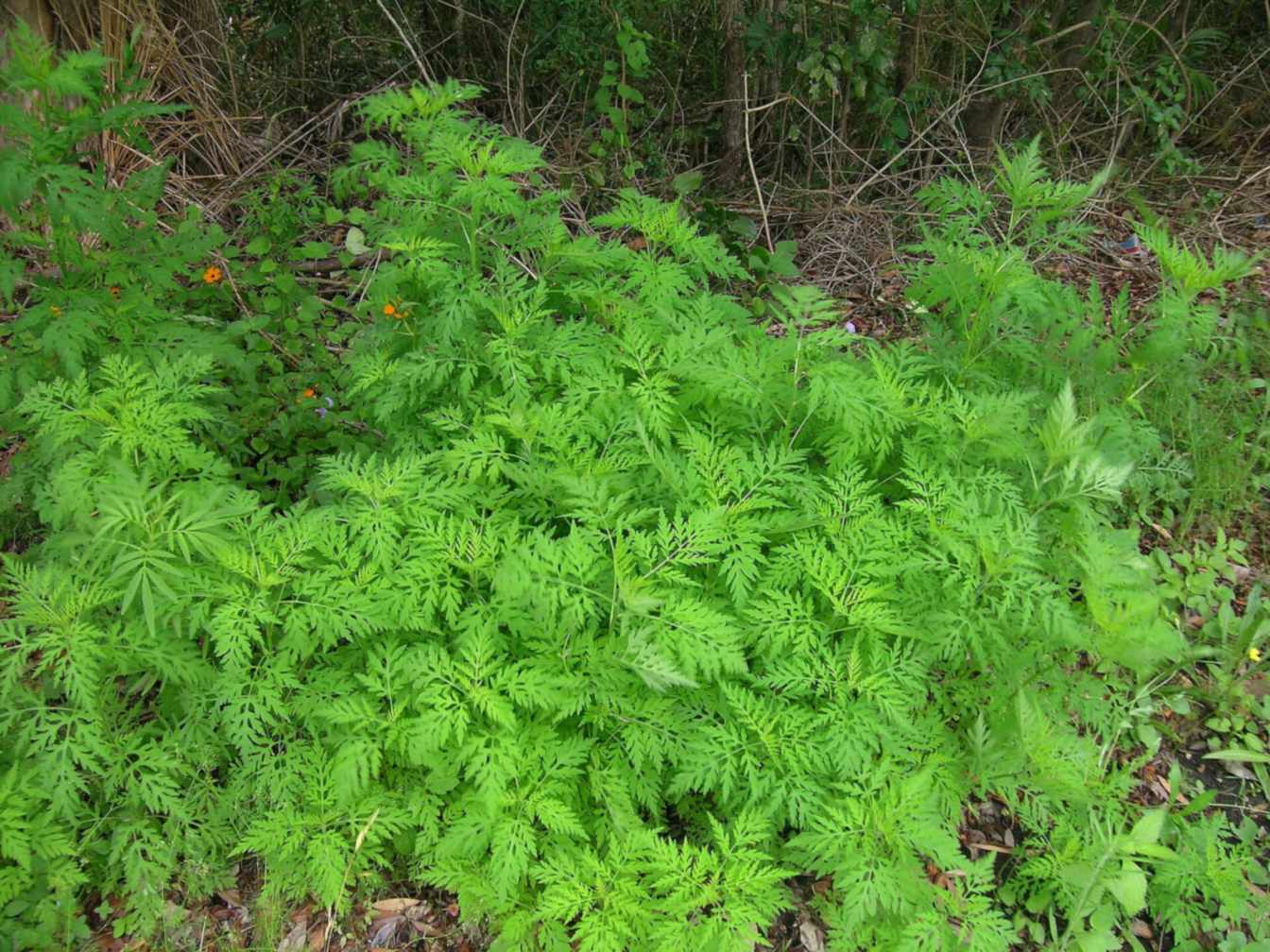
Ragweed season runs from August to the first frost and peaks in mid-September. Here are the start, peak, and end dates by region — and how to track ragweed pollen in your city day by day.
Read more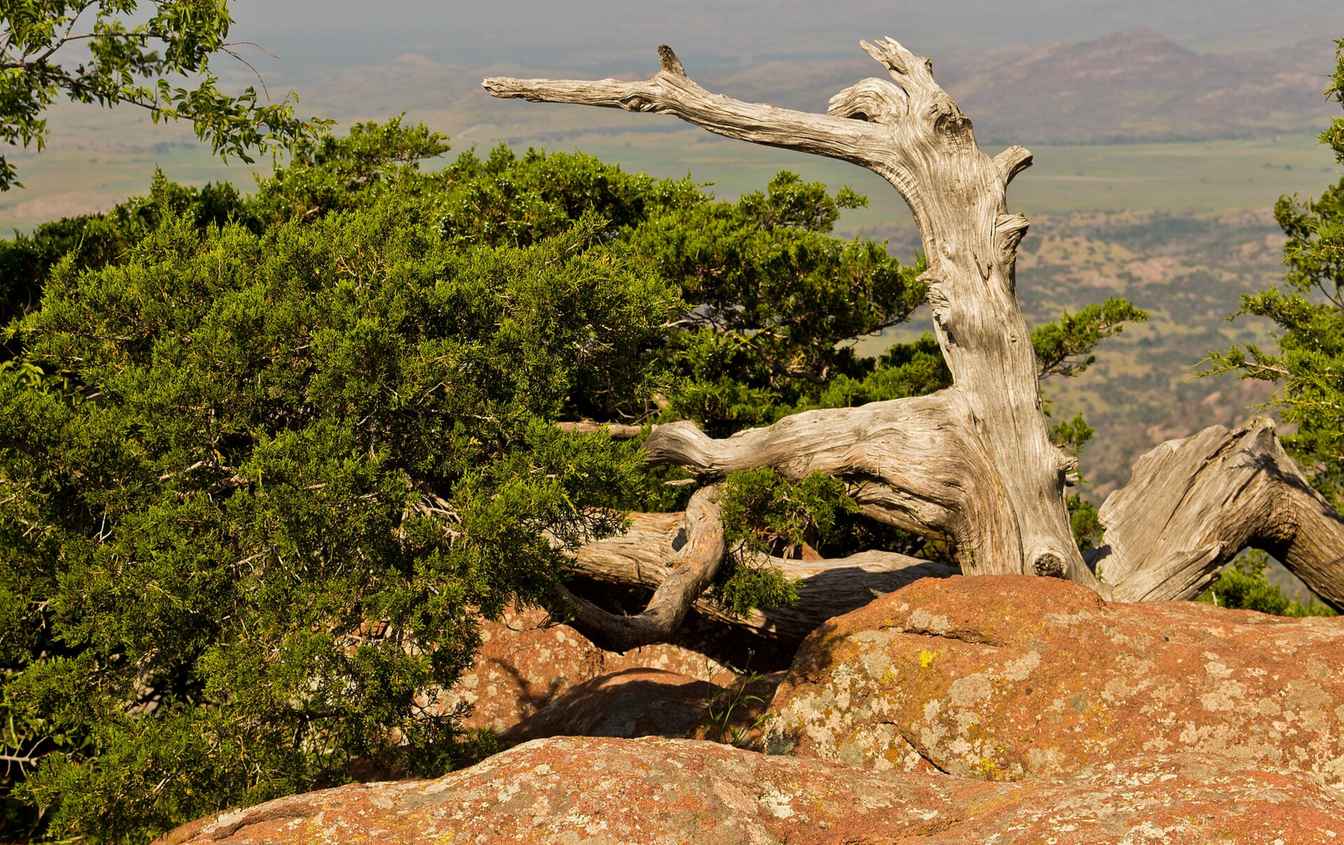
While most of the country is done sneezing until spring, Central Texas faces its worst allergy weeks of the year. What mountain cedar pollen is, why cold fronts trigger it, and how to track it.
Read more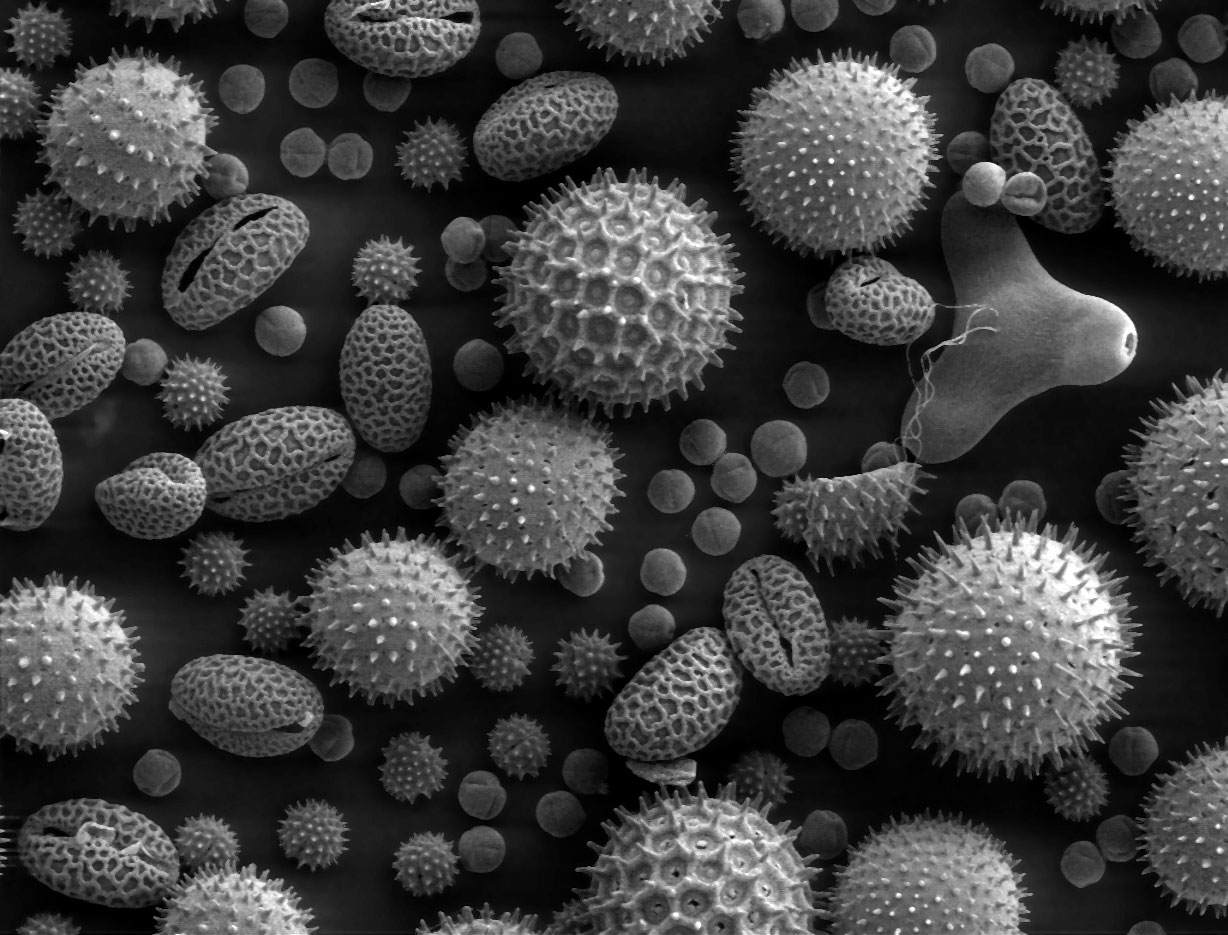
Grains per cubic metre, 0–100 indexes, rooftop samplers and modelled forecasts: a plain-English guide to where the number next to your city actually comes from — and how to read it.
Read more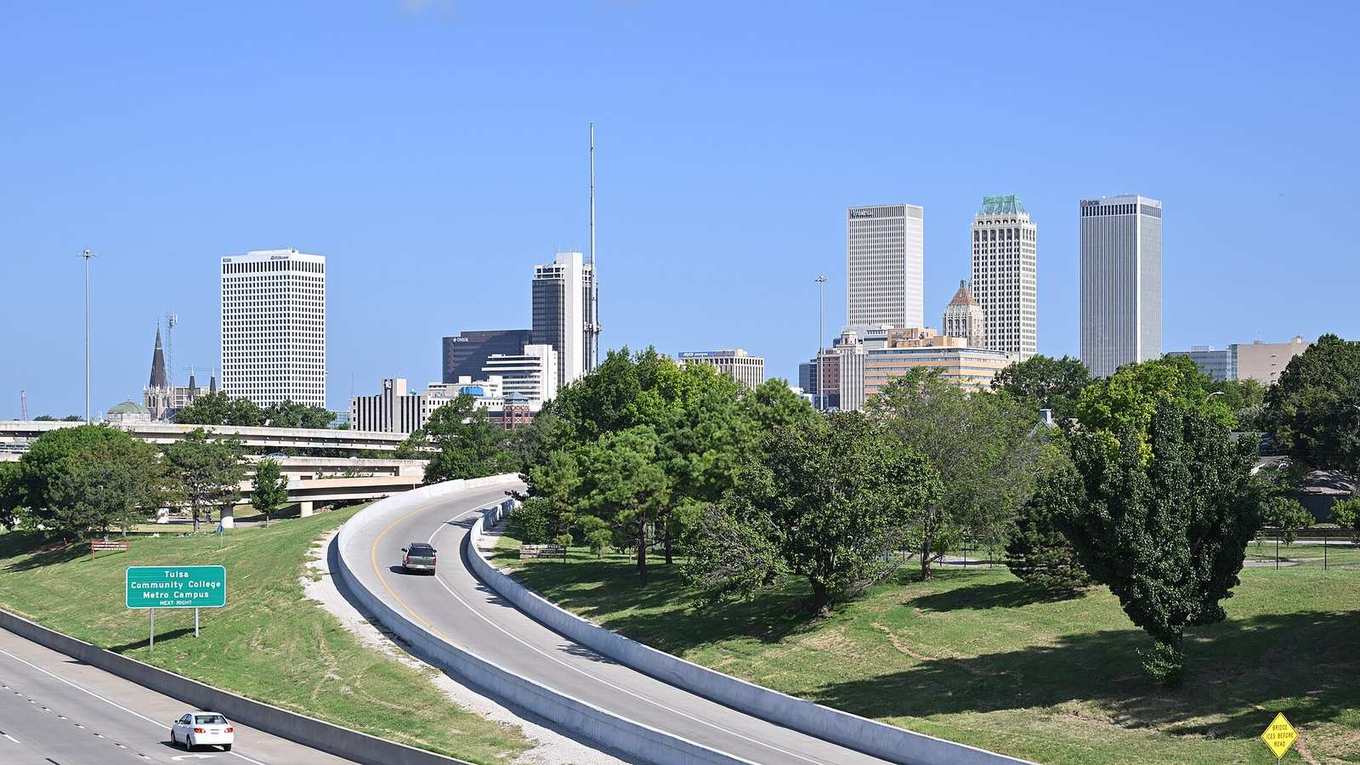
Which U.S. cities are worst for allergies today — and why the list keeps moving. Daily Pollen Atlas rankings vs the annual allergy capitals, explained.
Read more
A pollen count measures the air that was; a pollen forecast predicts the air ahead. Learn how each is made, why they differ, and which to check when.
Read more
Tree pollen season runs February to May and peaks March to April. Learn when oak, birch and pine peak and check your tree pollen count on PollenAtlas.com.
Read more
Grass pollen season runs May to August and peaks June to July. Learn which grasses drive it and check grass pollen counts free in your city on PollenAtlas.com.
Read more
Atlanta pollen count hit a record 14,801 in March 2025. Learn what drove the spike, how it beat past records, and how to check Atlanta pollen today for free.
Read more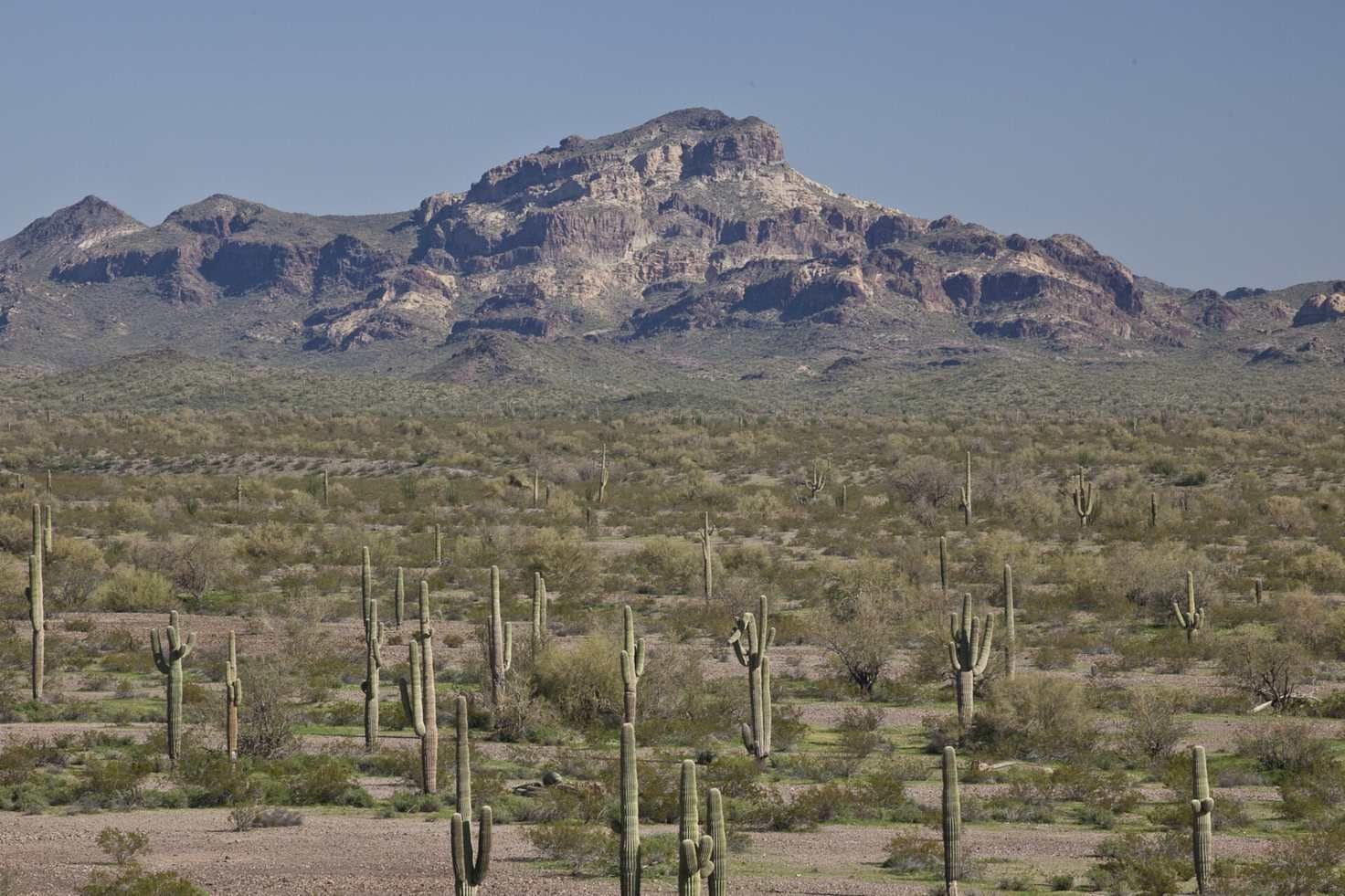
Phoenix pollen count surprises desert newcomers. Learn Arizona pollen season, mulberry, olive and Bermuda grass, and check free Phoenix counts and forecasts.
Read more
The worst cities for ragweed cluster in the Midwest, plains, and South. See which regions rank highest, why, and how to track the Weeds Index near you.
Read more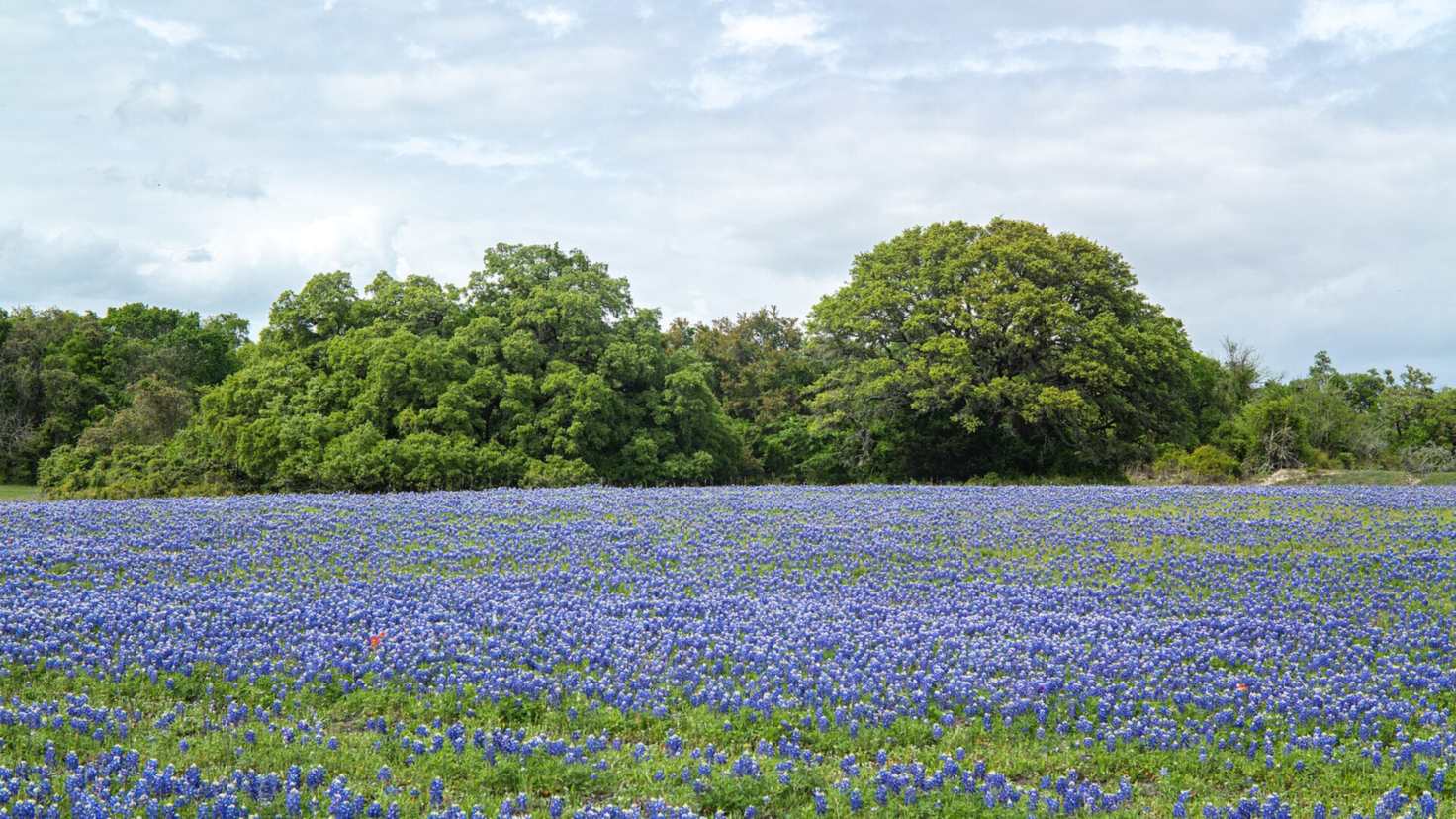
From December cedar to fall ragweed, Texas allergy season never really stops. Follow the month-by-month calendar and check pollen counts in your city.
Read more
Oklahoma allergy season lasts most of the year. Follow the Tulsa pollen calendar from spring trees to fall ragweed and check free forecasts on PollenAtlas.com.
Read more
Spring allergy season starts in the South and moves north. Preview the tree and grass waves, then check your free spring pollen count on PollenAtlas.com today.
Read more
When is allergy season? In the U.S. it runs all year — what changes is the pollen. A month-by-month calendar of tree, grass, ragweed, cedar, and mold.
Read more
Mold allergies in fall surge as leaves and damp air spread spores. Learn what drives the mold count, when it peaks, and check your city on PollenAtlas.com.
Read more
Dust mite allergy flares year-round in warm, humid bedding and carpets. Learn where mites thrive, how exposure builds, and find help via PollenAtlas.com.
Read more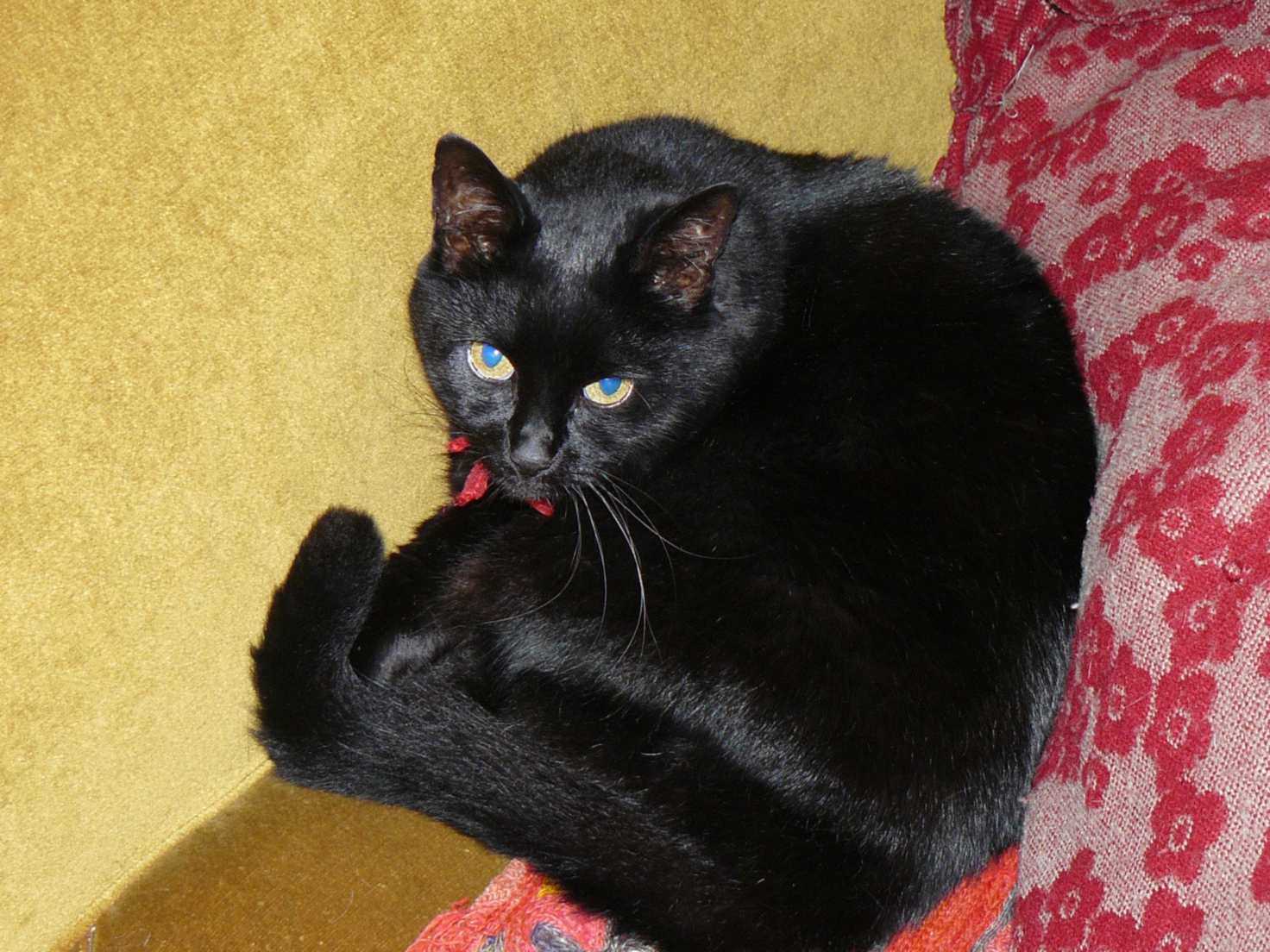
Pet dander allergy can linger in a home for months after a pet leaves. Learn why dander sticks, where it settles, and how to read it with PollenAtlas.com.
Read more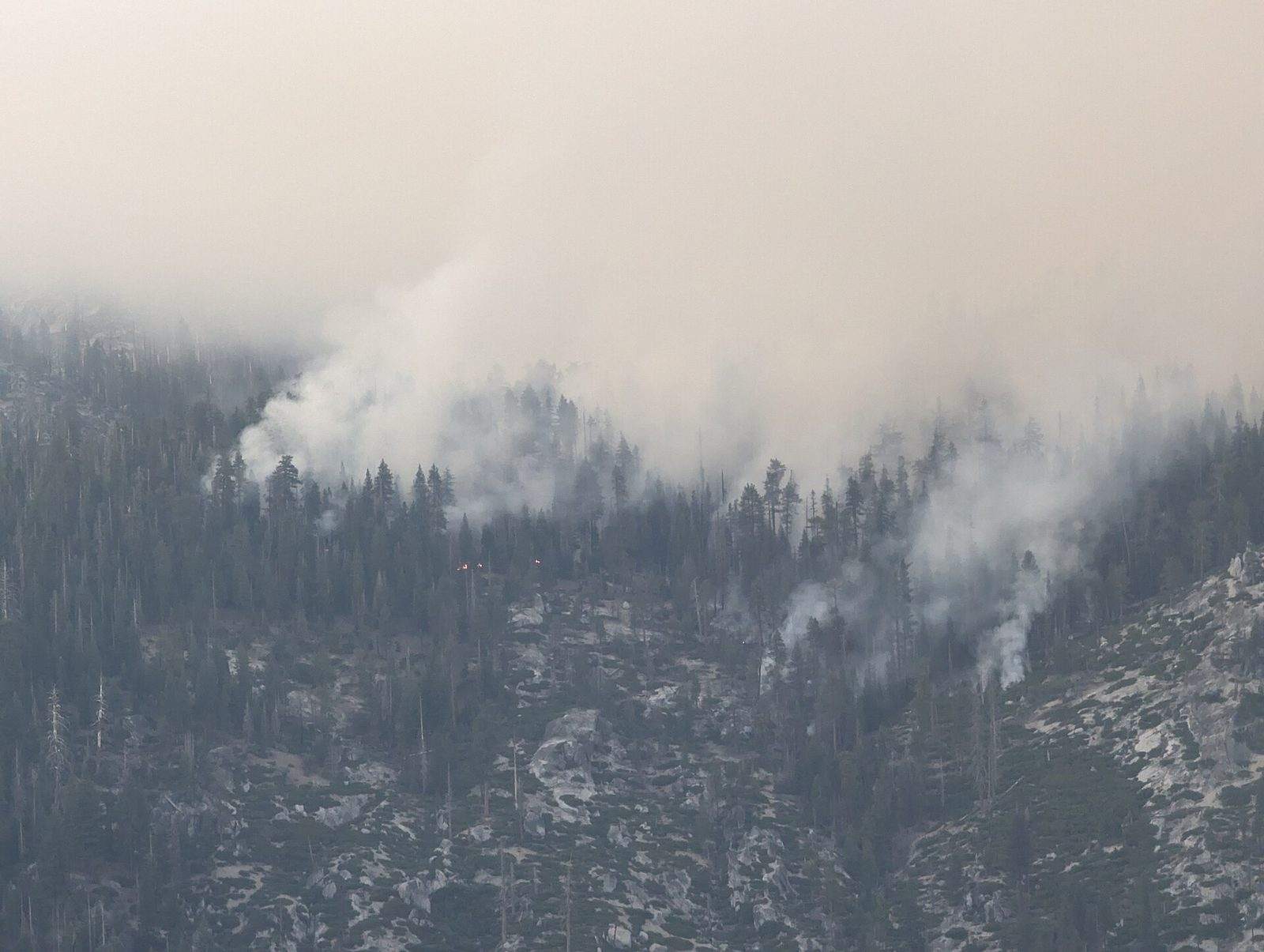
Pollen and wildfire smoke can hit the same day, filling air with grains and fine particles. Learn how they differ and check both free on PollenAtlas.com.
Read more
How pollen counts are measured, from Blackley’s slides and Rotorod traps to NAB stations and modern models — the full story, explained by Pollen Atlas.
Read moreAn allergy map turns scattered station counts and models into one national picture. Learn how to read the colors and check your city on PollenAtlas.com.
Read moreAre allergies bad right now? The honest answer is local. Learn what decides today’s levels in your city, then check your free local count on Pollen Atlas.
Read morePollen count time of day patterns decide when the air is heaviest. Learn when trees, grasses, and ragweed release, then check your city on PollenAtlas.com.
Read moreTrace the history of pollen from 243-million-year-old fossil grains to modern forecasts, and check what pollen is doing in your city on PollenAtlas.com.
Read moreBees and pollen work differently than most people think. See how bees carry pollen in baskets, and why wind-blown pollen drives most allergies. Check yours.
Read moreCharles Blackley proved pollen causes hay fever in 1873 with kites and self-experiments. Read his story, then check today’s pollen count on PollenAtlas.com.
Read moreThunderstorm asthma struck Melbourne on 21 November 2016. What happened, what the official reports found, and how pollen forecasts help you plan ahead daily.
Read moreForensic pollen has linked suspects to crime scenes from Austria to New Zealand. How pollen evidence works, its limits, and what grains reveal. Read the cases.
Read morePollen grains under a microscope are spiky, winged, and unique to each plant. See what pollen looks like and how scientists identify it. Explore yours today.
Read moreDoes local honey help allergies? We look at what the studies actually found, why the idea is appealing, and what the evidence does not show. Read it honestly.
Read moreBotanical sexism claims cities planted too many male trees. Proponents and critics disagree. We lay out both sides and the evidence behind each. You decide.
Read moreOak pollen blankets the Southeast and Texas each spring. Learn when oak pollen peaks, where it hits hardest, and track it free daily on PollenAtlas.com.
Read moreBirch pollen season is short, sharp and northern. Learn when birch pollen peaks, its food cross-reactivity, and track it free daily on PollenAtlas.com.
Read morePine pollen coats cars in yellow dust each spring, yet rarely drives allergies. Learn why, when it falls, and track the real culprits on PollenAtlas.com.
Read moreMulberry pollen is so potent some cities banned the trees. Learn when mulberry pollen peaks, where it hits, and track it free daily on PollenAtlas.com.
Read moreOlive pollen drives spring allergies across the Southwest and California. Learn when olive pollen peaks, where it hits, and track it on PollenAtlas.com.
Read moreElm pollen opens spring early and returns in fall. Learn both elm pollen seasons, where elms hit hardest, and track it free daily on PollenAtlas.com today.
Read moreMaple pollen season starts before spring feels real. Learn when maple pollen peaks, the box elder factor, and track it free daily on PollenAtlas.com today.
Read moreJuniper pollen sweeps the West from winter into spring. Learn which junipers pollinate where and when, and track it free daily in your city on PollenAtlas.com.
Read moreBermuda grass pollen thrives in hot southern summers. Learn its season, range and peak hours, and track grass pollen free in your city on PollenAtlas.com.
Read moreTimothy grass pollen is the classic hay fever trigger of northern summers. Learn its season, range and cross-reactions, and track it free on PollenAtlas.com.
Read morePigweed pollen and tumbleweed pollen are the tough weed allergens of the desert Southwest. Learn their seasons and range, and track weeds on PollenAtlas.com.
Read moreMeet the ragweed plant: how to identify Ambrosia, its species, its invasion of Europe, and why one plant makes a billion grains. Track it on PollenAtlas.com.
Read moreDoes rain wash away pollen? Usually, briefly — but storms can rupture grains and make air worse. See how rain changes counts and track yours on PollenAtlas.com.
Read morePollen and cold fronts collide: fronts trigger cedar bursts in Texas, haul pollen hundreds of miles, then clear it. Track the effects on PollenAtlas.com.
Read moreClimate change and pollen seasons, in data: seasons started 20 days earlier and pollen rose 21% in 1990-2018. See the studies, track yours on PollenAtlas.com.
Read moreChristmas tree syndrome is real: mold on real trees can climb indoors within days. Learn what studies found and track winter air free on PollenAtlas.com.
Read moreWinter allergies are driven indoors — dust mites, mold, and pet dander, not pollen. Learn the causes and the Texas cedar exception at PollenAtlas.com.
Read moreFall allergies are more than ragweed — outdoor mold, first-furnace dust, and back-to-school triggers join in. Track the autumn season at PollenAtlas.com.
Read moreIndoor mold allergy starts with moisture — bathrooms, basements, leaks, and HVAC. See where home mold grows and how it differs outdoors at PollenAtlas.com.
Read moreHouseplants and allergies are misunderstood — most houseplant pollen never goes airborne. The real issues are soil mold and fragrance. PollenAtlas.com.
Read moreCat dander vs dog dander: Fel d 1 stays airborne and lingers for months, while dog allergens settle faster. Compare the two proteins at PollenAtlas.com.
Read moreDesert dust allergies in the Southwest are driven by wind, PM10, and haboobs — not pollen. See what a haboob carries and check your city at PollenAtlas.com.
Read moreAir quality index and allergies interact — high pollen plus high AQI is a double hit. Learn the AQI scale and see both for your city at PollenAtlas.com.
Read moreWondering when does pollen season end? Frost, not the calendar, stops ragweed and mold. See regional frost timing and your city's data at PollenAtlas.com.
Read moreAlternaria mold peaks in late summer and fall on soil, plants, and grain. See where it grows, when spores peak, and how counts are reported on PollenAtlas.com.
Read moreDock sorrel mix groups sheep sorrel and dock on allergy panels. Learn what they are, where they grow, when they pollinate, and how PollenAtlas.com counts them.
Read moreSearching for the worst state for allergies? See which states stack multiple high-burden cities, why seasons run long there, and the data at PollenAtlas.com.
Read moreFlorida allergy season runs nearly all year: winter cedar and oak, long grass, fall ragweed and mold. See the month-by-month pattern in PollenAtlas.com data.
Read moreLooking for the best places to live with allergies? See lower-burden city patterns: coastal air, high desert, short northern seasons, at PollenAtlas.com.
Read moreSeptember allergies peak mid-month as ragweed hits its stride and mold climbs. See the week-by-week shape of the month and your city's data at PollenAtlas.com.
Read moreNew york allergy season runs in three waves: spring trees, summer grass, fall ragweed, on different clocks in NYC and upstate. See both at PollenAtlas.com.
Read moreAdult onset allergies are more common than once assumed. See what surveys report on prevalence, age patterns, and triggers, with data at PollenAtlas.com.
Read moreIs this allergy season where you are? The U.S. runs several regional seasons at once. Match your month and region to the pollen calendar at PollenAtlas.com.
Read more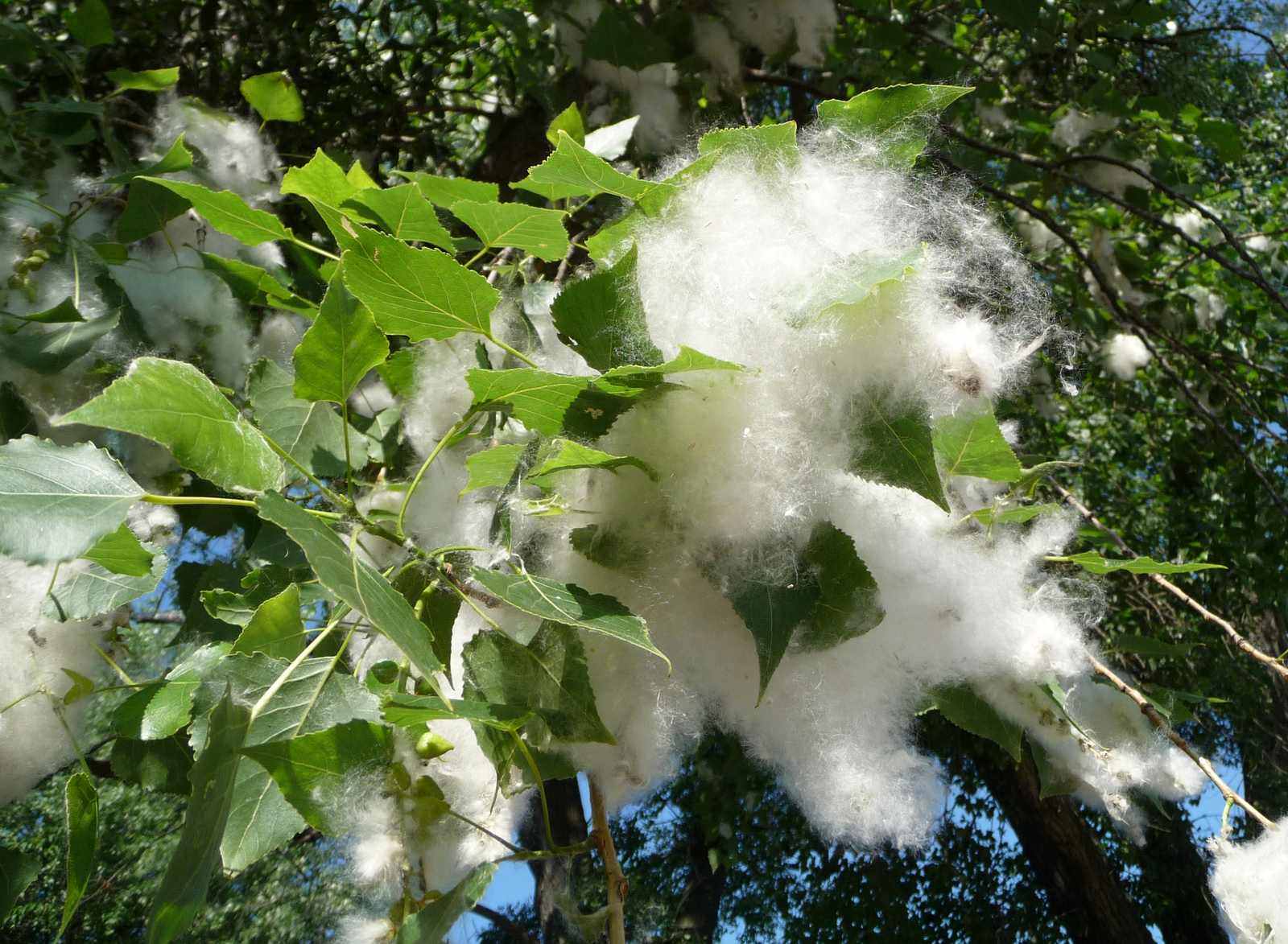
Cottonwood pollen peaks weeks before the famous fluff flies. Learn the real timing, the river-valley cities it hits, and track it free on PollenAtlas.com.
Read moreThe Chicago mold count is a weekday ritual with decades of local history. See how it is counted, what its levels mean, and check it on PollenAtlas.com.
Read moreRyegrass pollen ranks among the world's most potent grass allergens. Learn where ryegrass grows, when it peaks, and track it daily on PollenAtlas.com.
Read moreThe Arizona allergy season runs in desert waves, from winter trees to monsoon mold. See the Phoenix and Tucson calendars and track PollenAtlas.com data.
Read moreThe California allergy season splits three ways, coast, valley, and south. See each region's pollen waves and smoke overlap, tracked on PollenAtlas.com.
Read moreThe North Carolina allergy season spans mountains, Piedmont, and coast. See why Raleigh and Charlotte rank high, and track each wave on PollenAtlas.com.
Read moreJune allergies are grass pollen's main act across most of the US. See what is still pollinating, how regions differ, and track it free on PollenAtlas.com.
Read more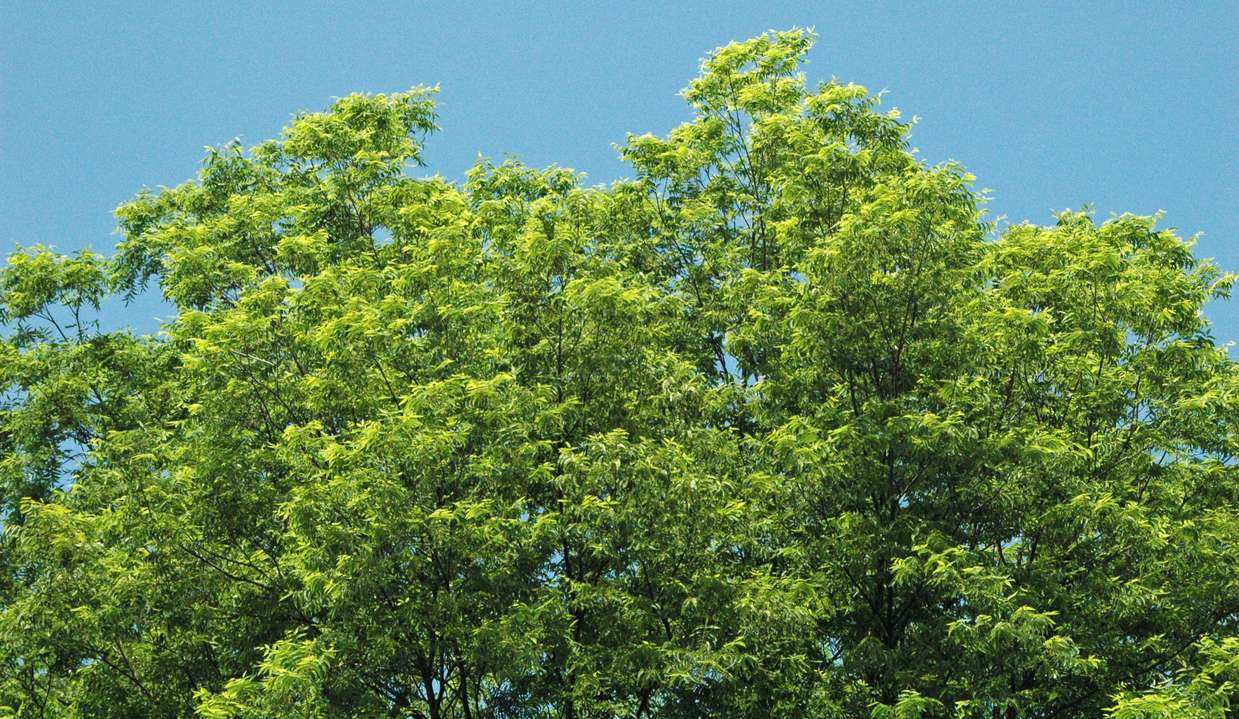
Pecan pollen is a major Southern spring allergen from Texas's state tree. Learn its catkin season, hickory family ties, and track it on PollenAtlas.com.
Read moreMugwort pollen is a major fall weed allergen across the northern US and Europe. Learn its timing beside ragweed, and track it worldwide on PollenAtlas.com.
Read moreThe Michigan allergy season is compressed by the lakes, spring trees to fall ragweed. See its regional city links and track the season on PollenAtlas.com.
Read moreGeorgia allergy season runs nearly year-round. Track Atlanta's pine and oak spring, summer grass, and fall ragweed with free daily data on PollenAtlas.com.
Read morePoplar pollen arrives each spring from cottonwoods, aspens, and poplars. See when it peaks, where counts run high, and track it free on PollenAtlas.com.
Read more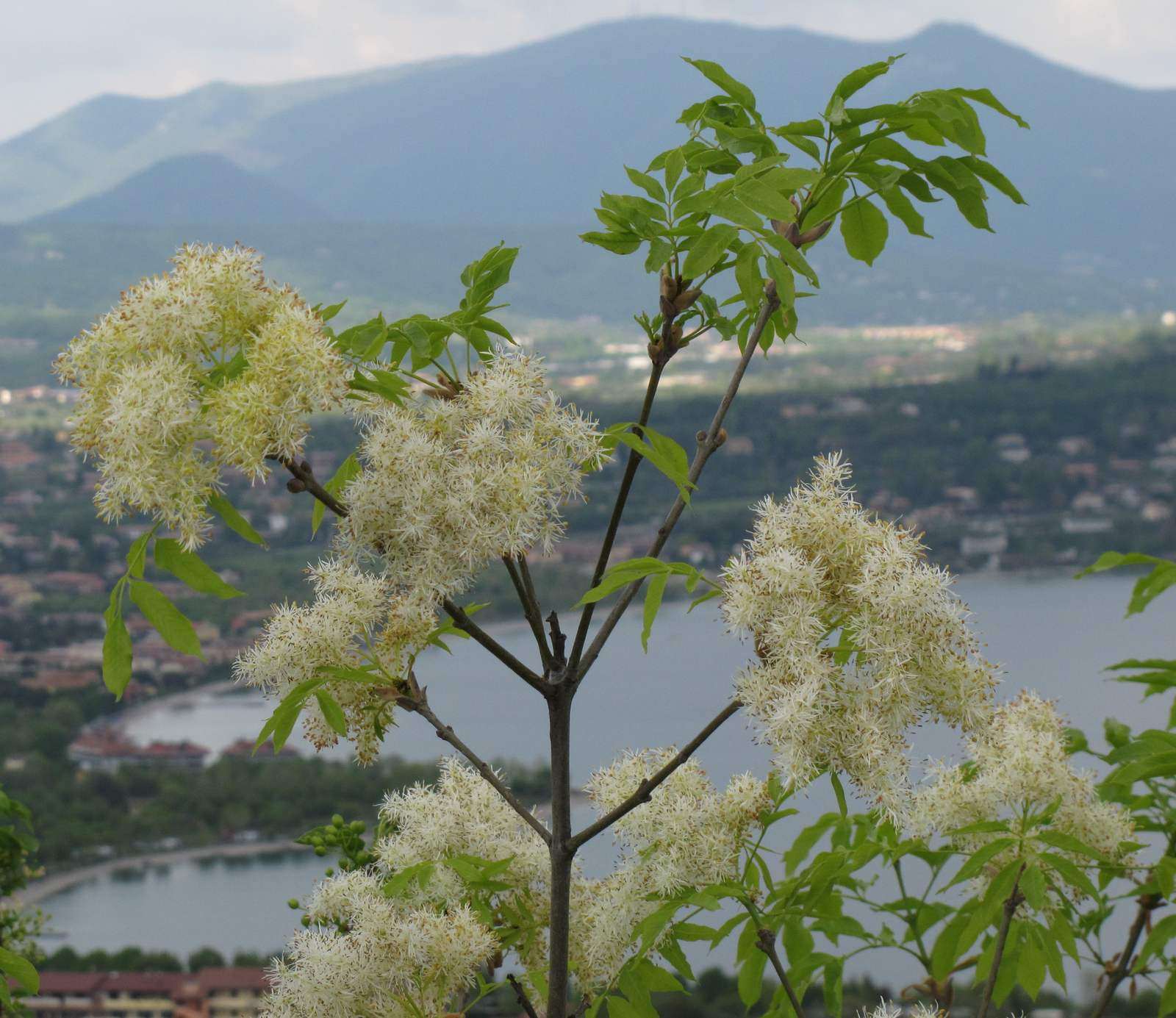
Ash pollen is one of the most common US tree allergens each spring. Learn its season, its olive-family links, and track daily counts on PollenAtlas.com.
Read moreGoldenrod pollen takes the blame each fall, but wind-blown ragweed is the real source. Learn the science and track daily counts free on PollenAtlas.com.
Read moreNettle pollen flies all summer, yet few people know this weed allergen. Learn where nettle thrives, when it peaks, and track it free on PollenAtlas.com.
Read more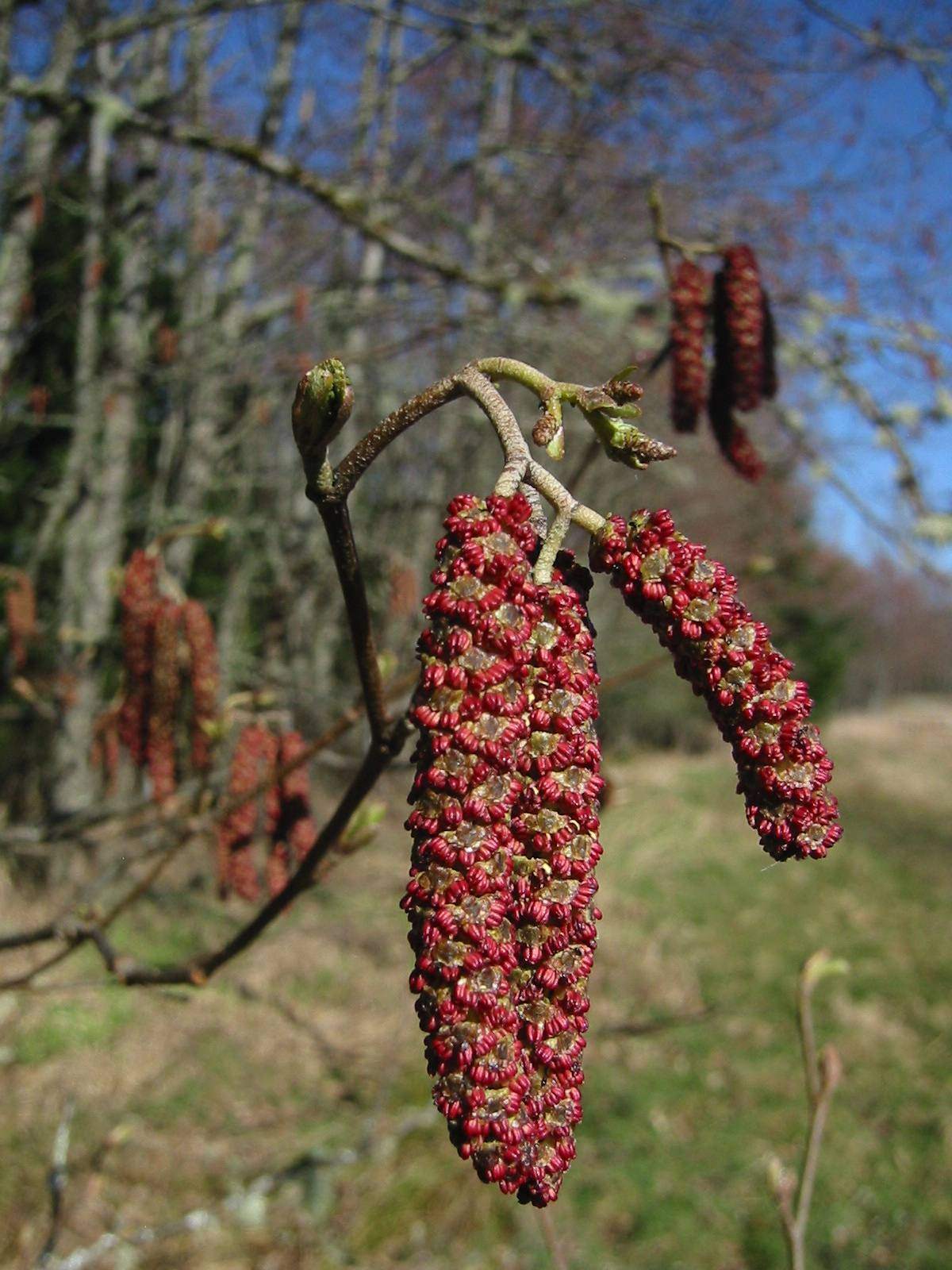
Alder pollen opens the spring season, often in late winter. Learn why this birch relative starts so early and track daily counts free on PollenAtlas.com.
Read more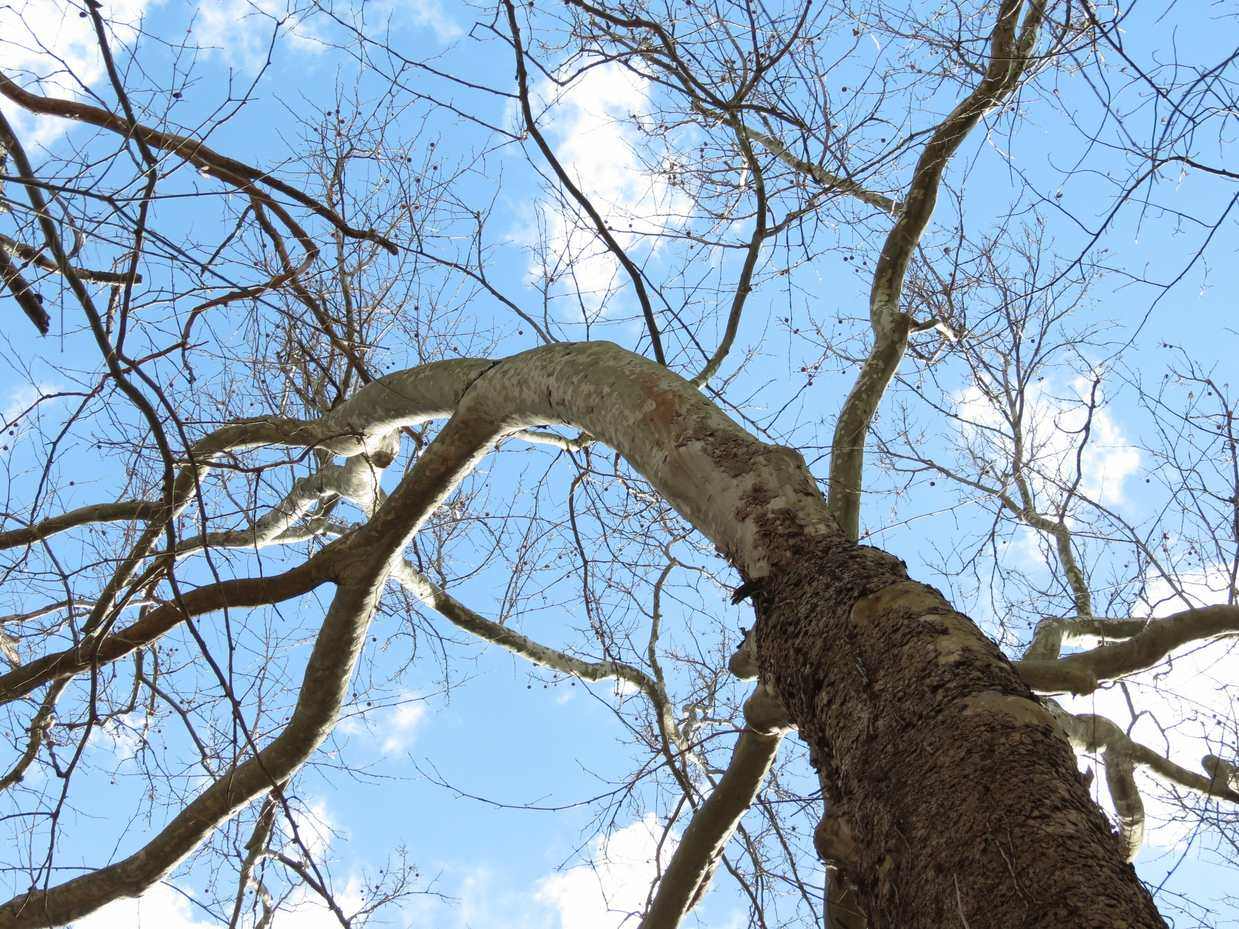
Sycamore pollen drifts from one of America's most planted shade trees each spring. Learn its season and track daily city counts free on PollenAtlas.com.
Read moreSaharan dust allergies flare when African dust plumes cross the Atlantic each summer. See when they reach the US and track air data on PollenAtlas.com.
Read moreColorado allergy season starts late and runs short at altitude. Learn Denver's tree, grass, and weed pattern and track it free daily on PollenAtlas.com.
Read moreLas Vegas allergy season is built on desert street trees, grass, and dust. Learn what blooms when and track free daily counts on PollenAtlas.com today.
Read moreOhio allergy season runs spring trees through fall ragweed. See how Columbus, Cincinnati and Cleveland differ, and check PollenAtlas.com counts by city.
Read moreMinnesota allergy season is brief and intense, from birch spring to strong ragweed fall. Track the short window with PollenAtlas.com counts for your city.
Read moreVirginia allergy season pairs a spring tree crest with fall ragweed, timed differently in the Blue Ridge and Tidewater. Follow it on PollenAtlas.com data.
Read moreApril allergies peak as tree pollen crests across much of the US. See what pollinates week by week and track your city's count free on PollenAtlas.com.
Read moreHickory pollen rides spring catkins across the Southeast and Midwest. Learn its season, range and pecan family ties, then track it on PollenAtlas.com.
Read moreMesquite pollen marks spring in Phoenix, Tucson and El Paso as honey mesquite blooms. See when it peaks and follow desert counts daily on PollenAtlas.com.
Read moreThe highest pollen count ever recorded in the US hit 14,801 grains in Atlanta in 2025. See how records are verified and compare counts on PollenAtlas.com.
Read more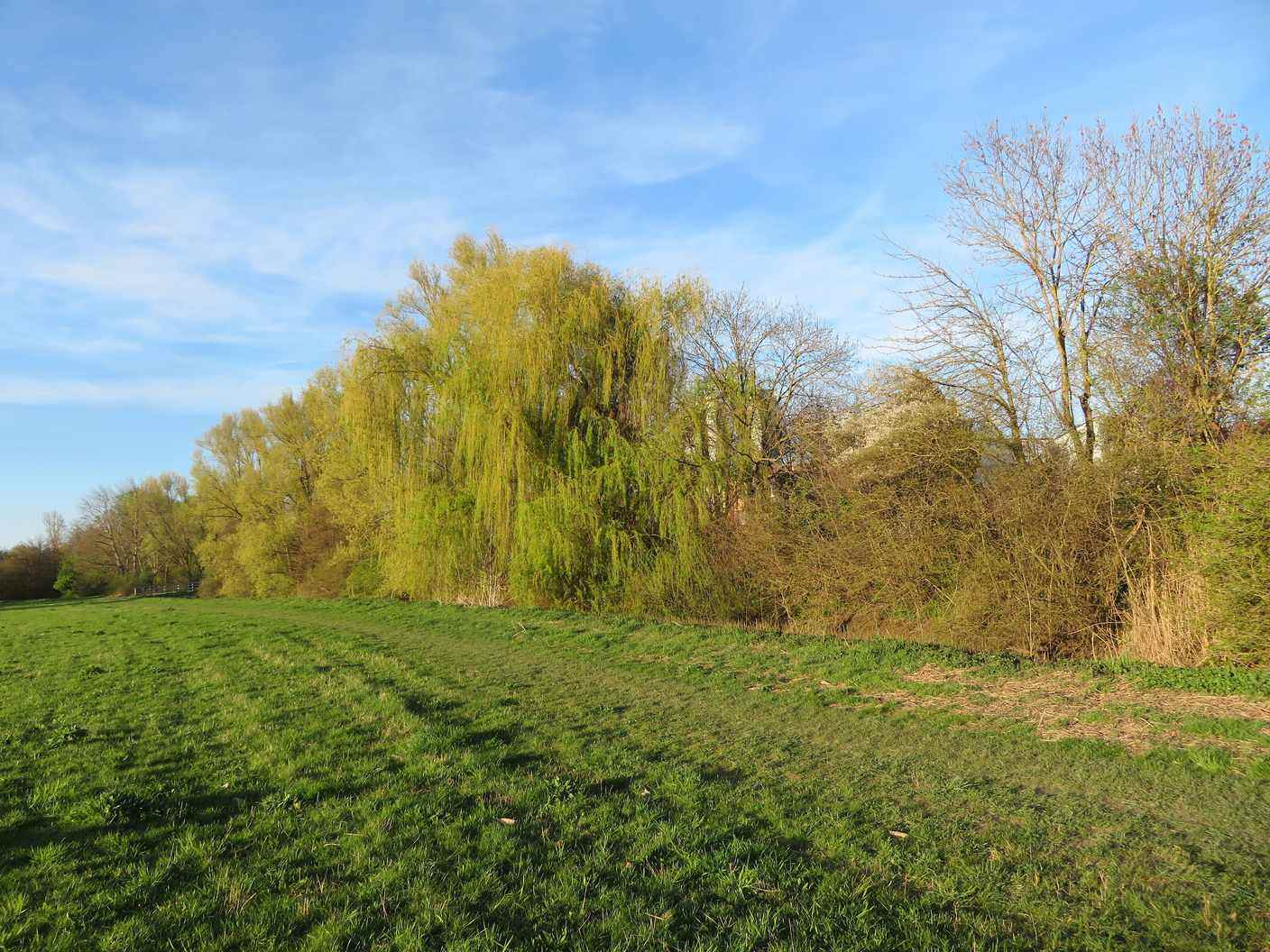
Willow pollen opens the spring season along rivers and lakeshores. Learn why willow counts register despite insect visits, and track them on PollenAtlas.com.
Read more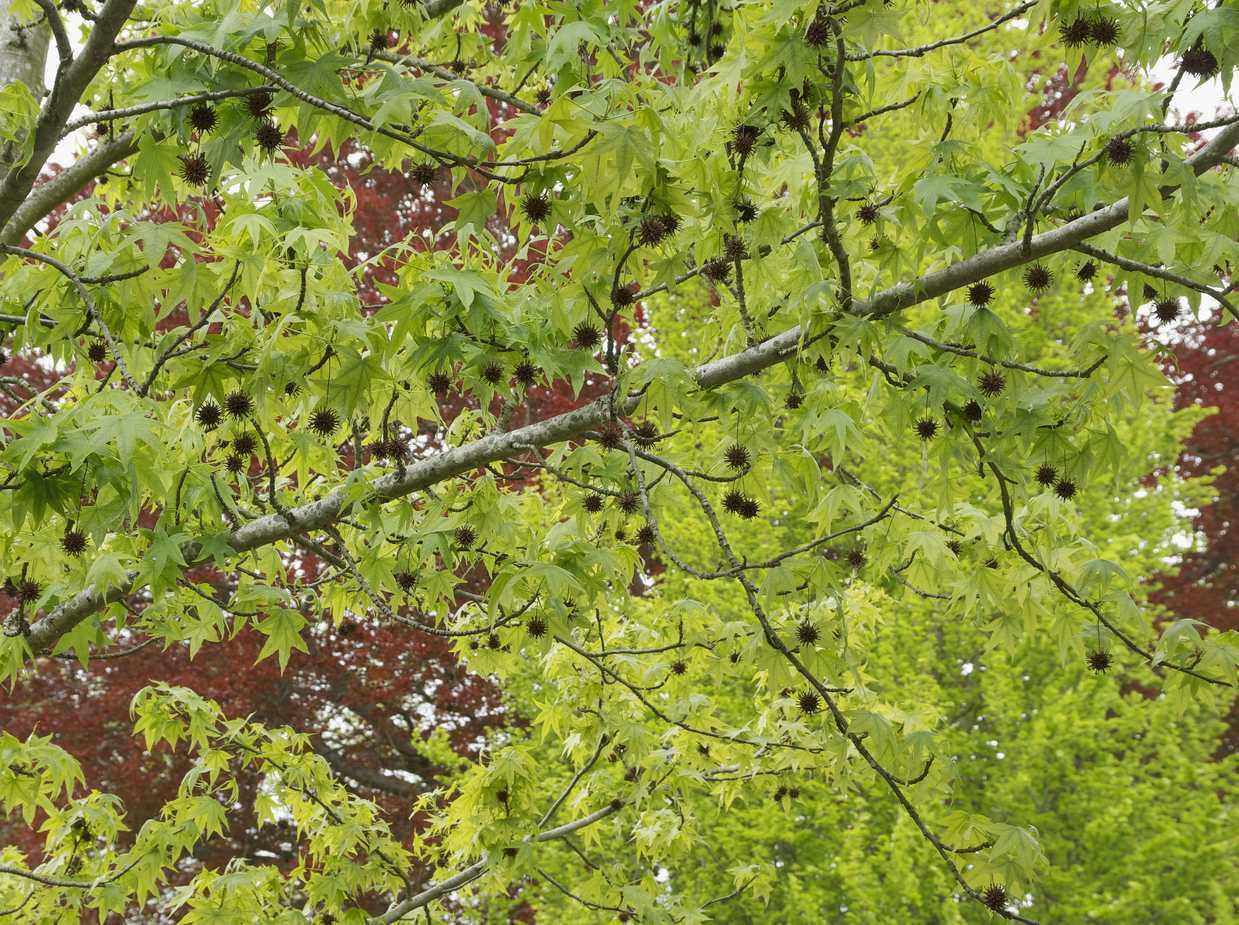
Sweetgum pollen arrives each spring as this Southeast street tree flowers before leaf-out. Learn its window and track city counts free on PollenAtlas.com.
Read more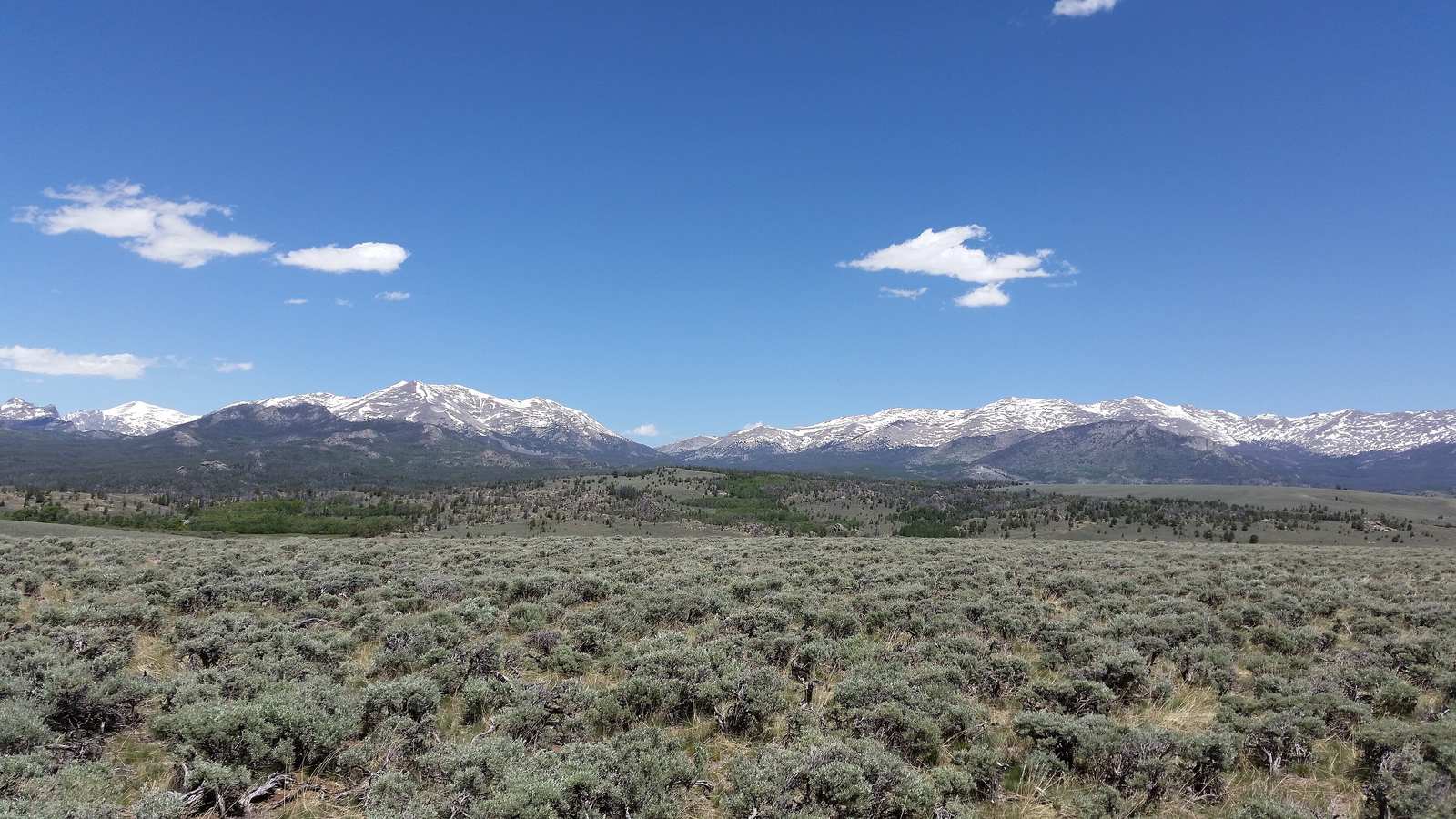
Sagebrush pollen drives late-summer and fall allergies across the high desert. See its Boise to Las Vegas pattern and track counts on PollenAtlas.com.
Read moreHackberry pollen is one of the heaviest tree pollens in Dallas and Memphis, yet few people track it. See its season and your city's counts on PollenAtlas.com.
Read moreTennessee allergy season runs spring trees, summer grass, fall ragweed and river-valley mold. Memphis ranked top 5 in 2025. Check your city on PollenAtlas.com.
Read moreOrchard grass pollen is a leading grass allergen across pastures and hay country in spring and early summer. Learn timing and track counts on PollenAtlas.com.
Read moreJohnson grass pollen pours from an invasive grass from late spring into fall. Learn where it thrives, when it peaks, and track your city on PollenAtlas.com.
Read moreJapanese cedar pollen drives Japan's sugi hay fever season each spring. Explore its scale, how Japan forecasts it, and worldwide counts on PollenAtlas.com.
Read moreKansas allergy season peaks in Wichita, ranked the No. 1 Allergy Capital for 2025 by the AAFA. See the plains calendar and check counts on PollenAtlas.com.
Read moreIllinois allergy season shifts from Chicago's lake-moderated spring to downstate's long ragweed fall. Compare timing and track counts on PollenAtlas.com.
Read moreLouisiana allergy season starts early, runs long, and shares the stage with Gulf mold. New Orleans ranked No. 2 for 2025. Check counts on PollenAtlas.com.
Read moreNortheast allergy season compresses tree and grass pollen into a fast spring, then adds ragweed. See coastal vs inland timing and counts on PollenAtlas.com.
Read more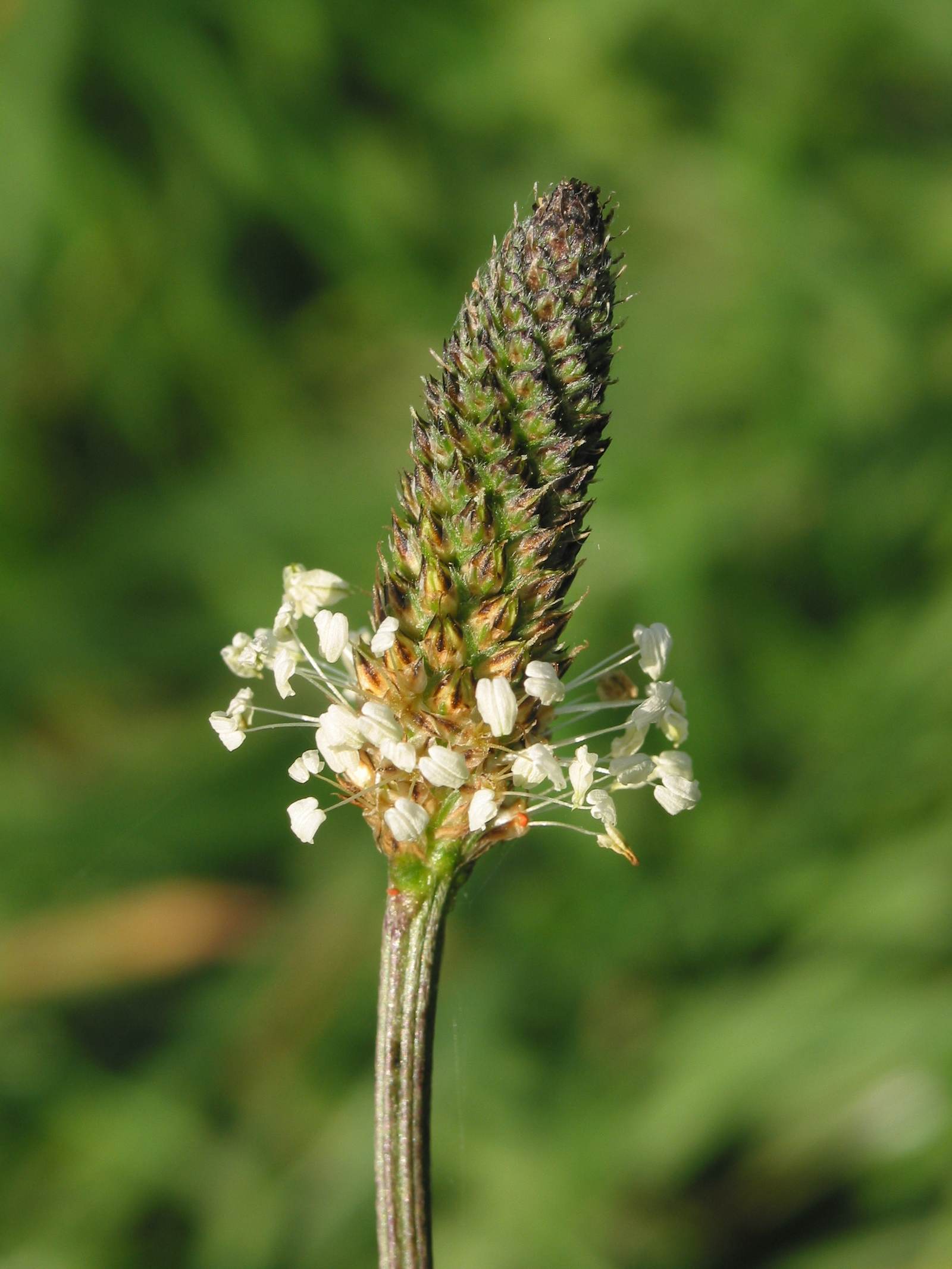
English plantain pollen runs from spring into fall, one of the longest weed windows. Learn to spot this lawn weed and track counts on PollenAtlas.com today.
Read more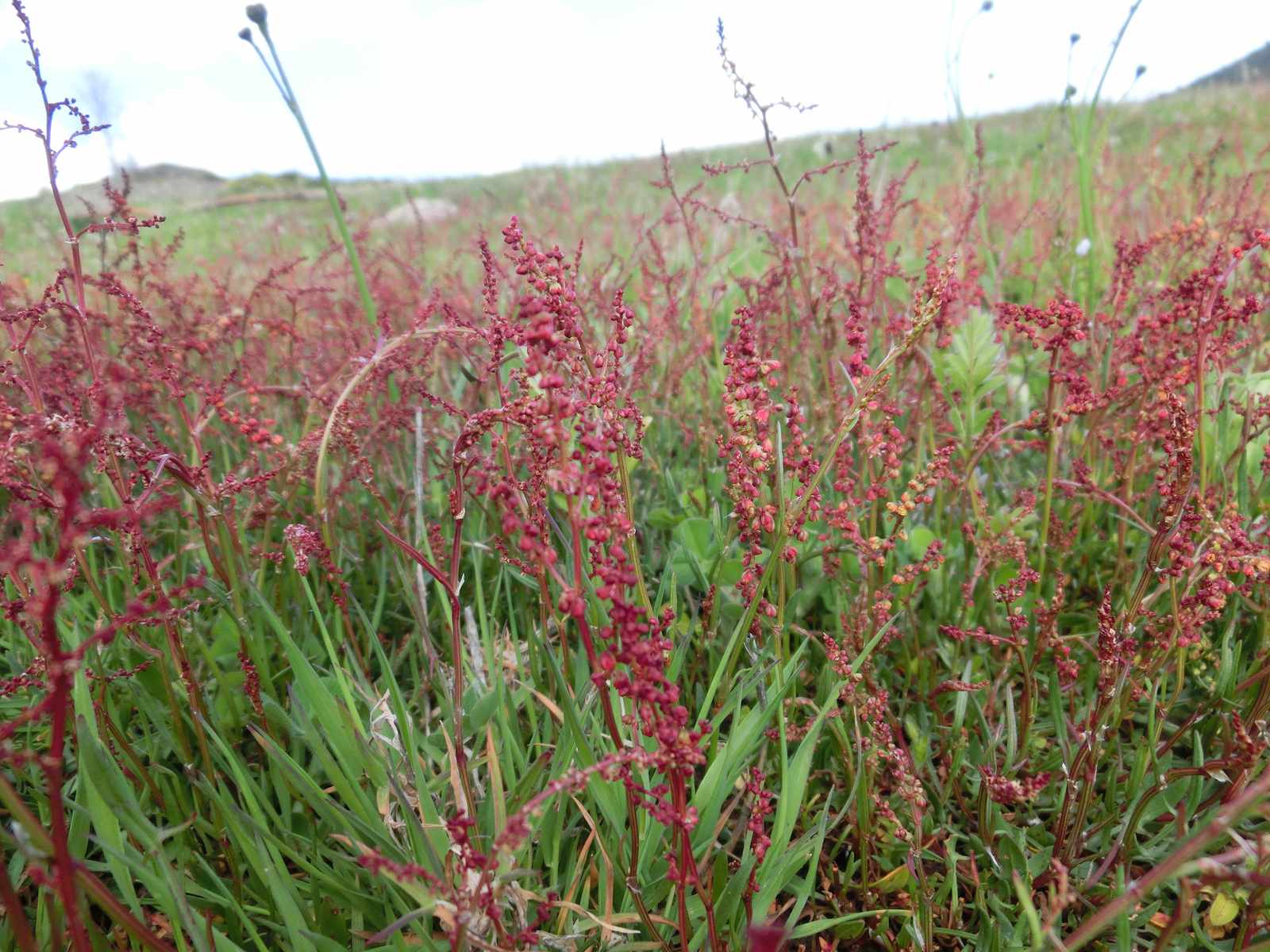
Dock sorrel pollen drifts from Rumex weeds all summer, filling the gap between grass and ragweed. Meet the plants and track the season at PollenAtlas.com.
Read more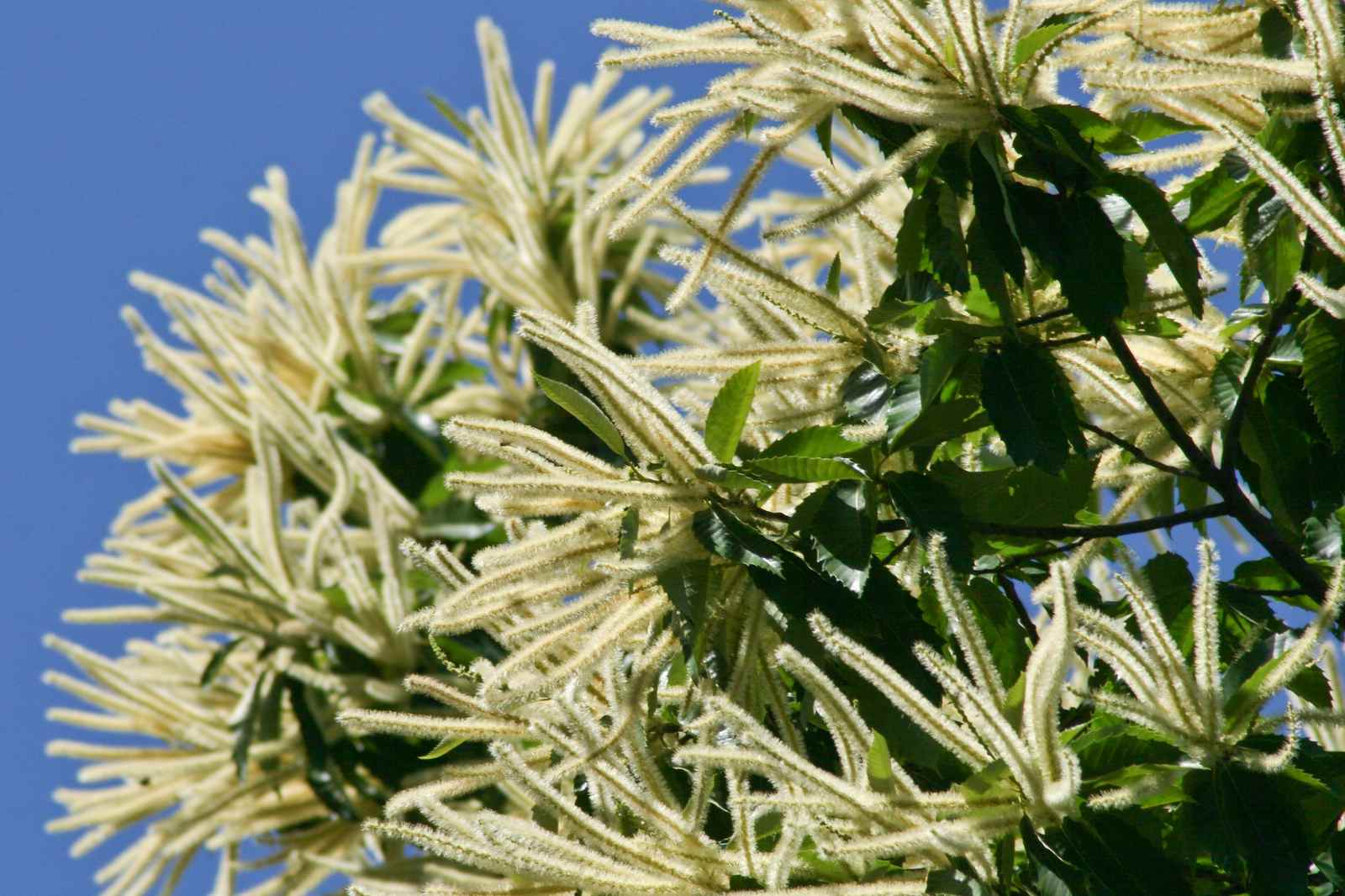
Chestnut pollen once turned Appalachian June white. Then blight erased billions of trees. What still blooms, and what counts show today — PollenAtlas.com.
Read more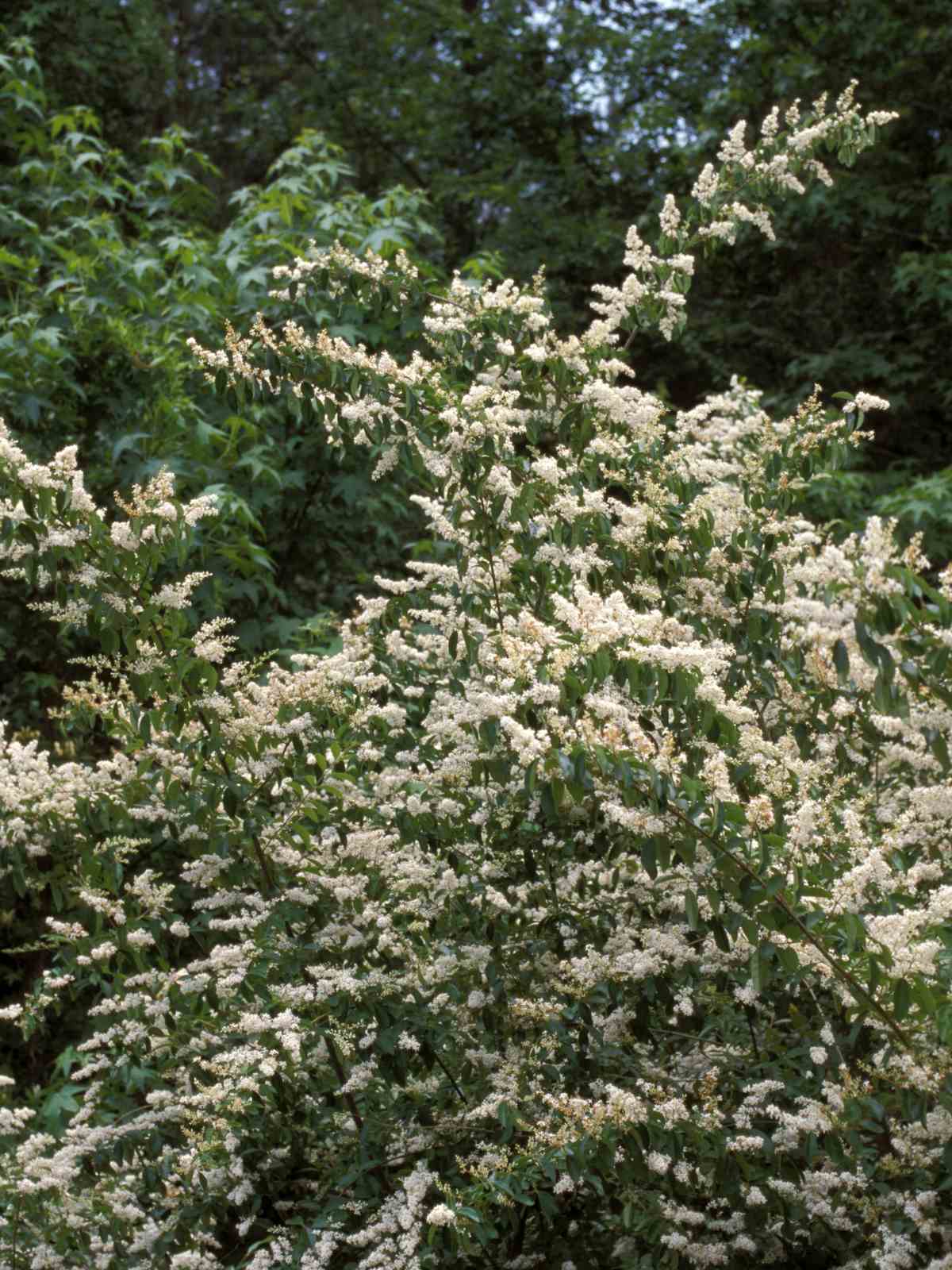
Privet pollen rides the South's late-spring air from a hedge plant in the olive family. Why it cross-reacts and when it peaks — PollenAtlas.com's data.
Read more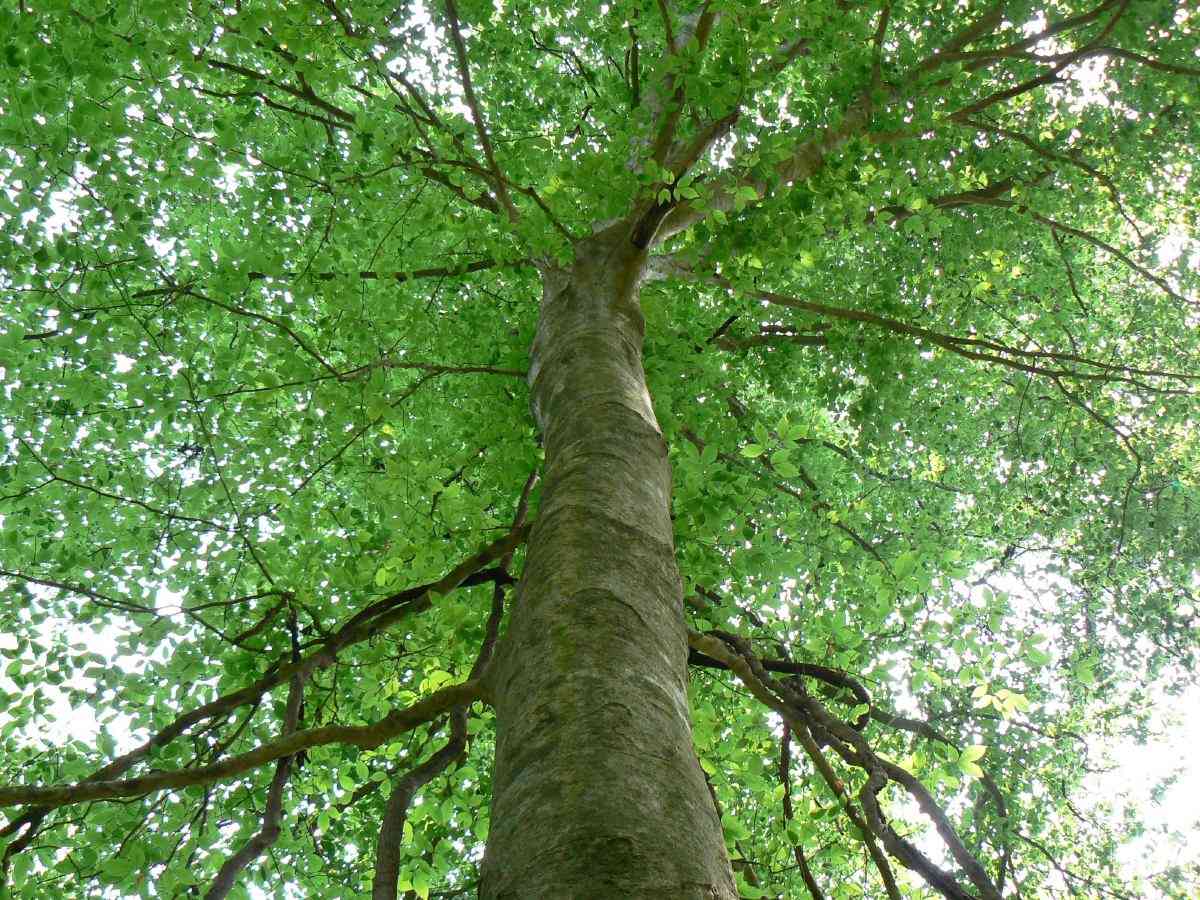
Beech pollen opens the Northeast's spring under smooth gray bark. Meet the American beech and learn to read its weeks in the count at PollenAtlas.com.
Read more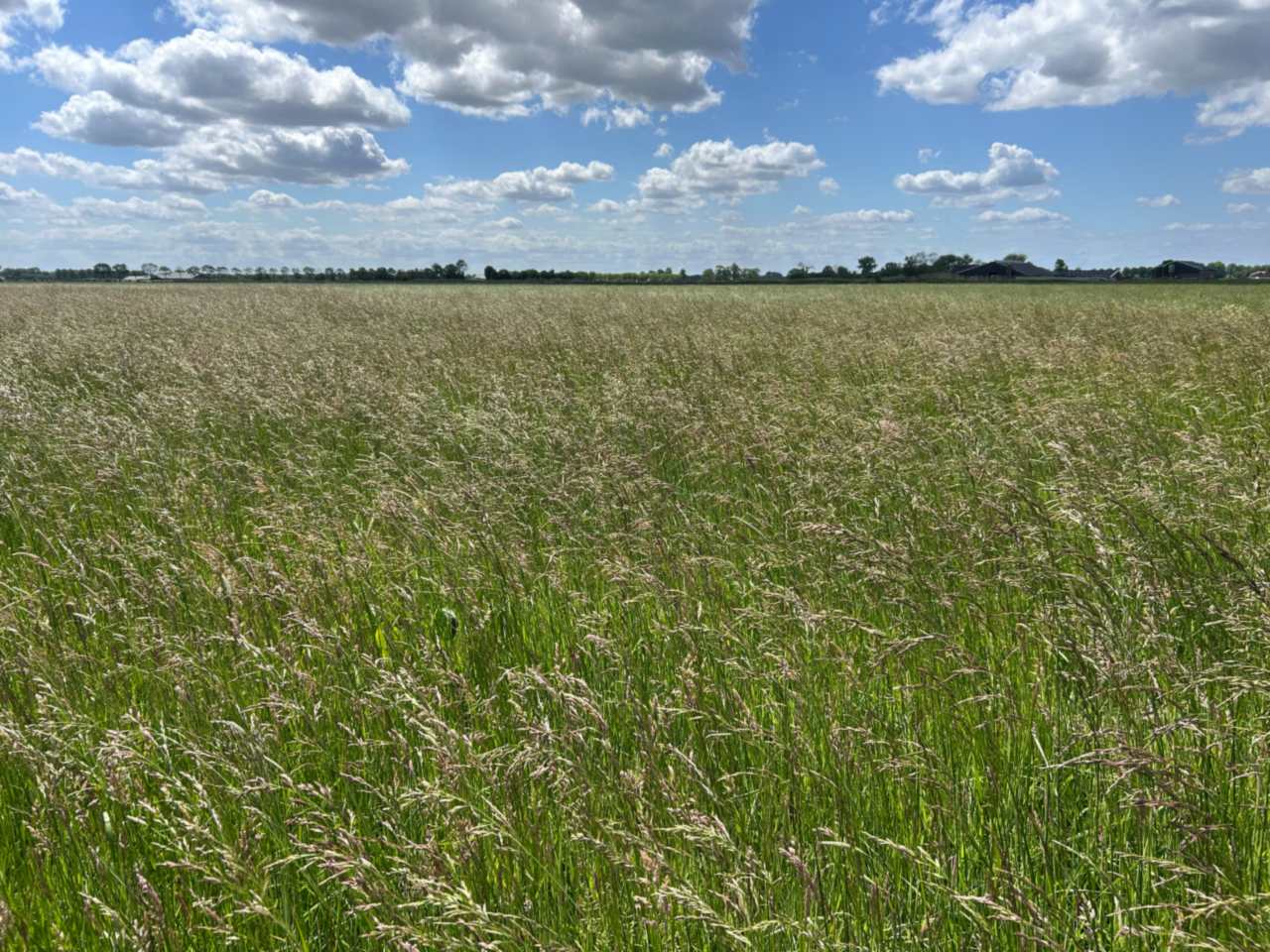
Fescue pollen fills late-spring air across the transition zone — tens of millions of acres of it. The Kentucky 31 story and the season, PollenAtlas.com.
Read more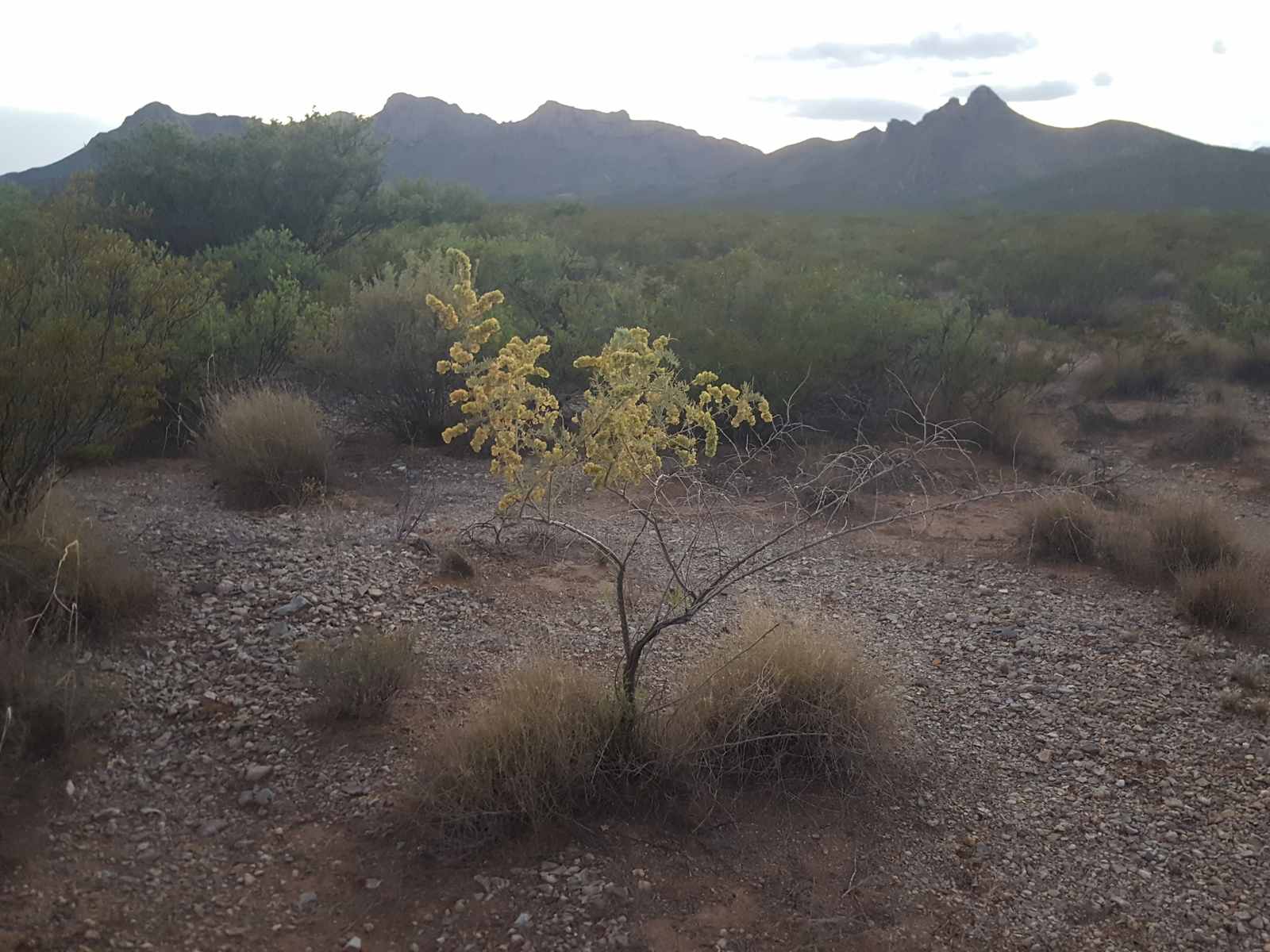
Saltbush pollen loads late-summer and fall air across the desert Southwest. Meet the Atriplex shrubs behind the weed index — counts at PollenAtlas.com.
Read more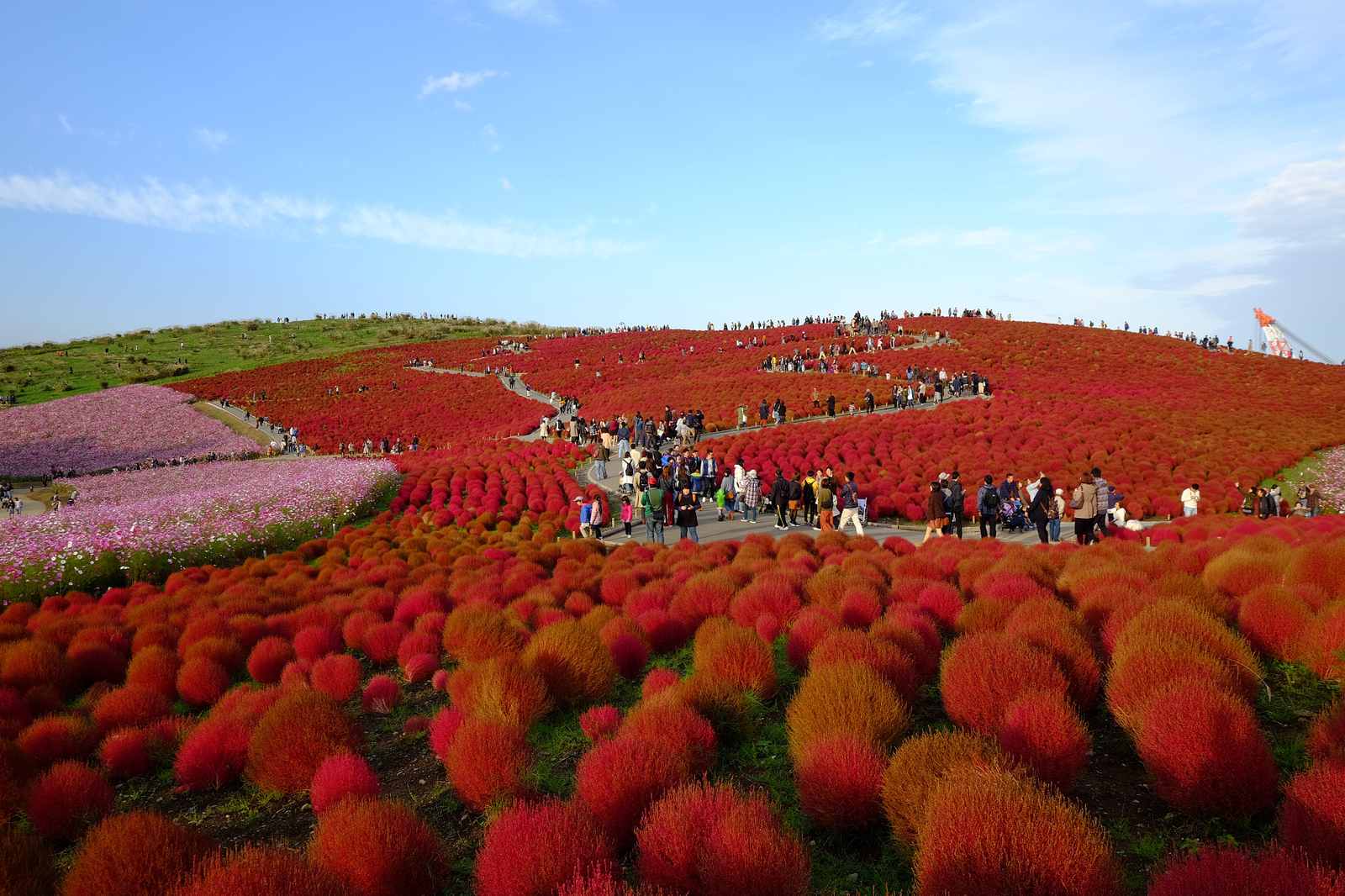
Kochia pollen drifts over plains fields each late summer, weeks before the plant itself starts tumbling. The weed, its season, its counts — PollenAtlas.com.
Read more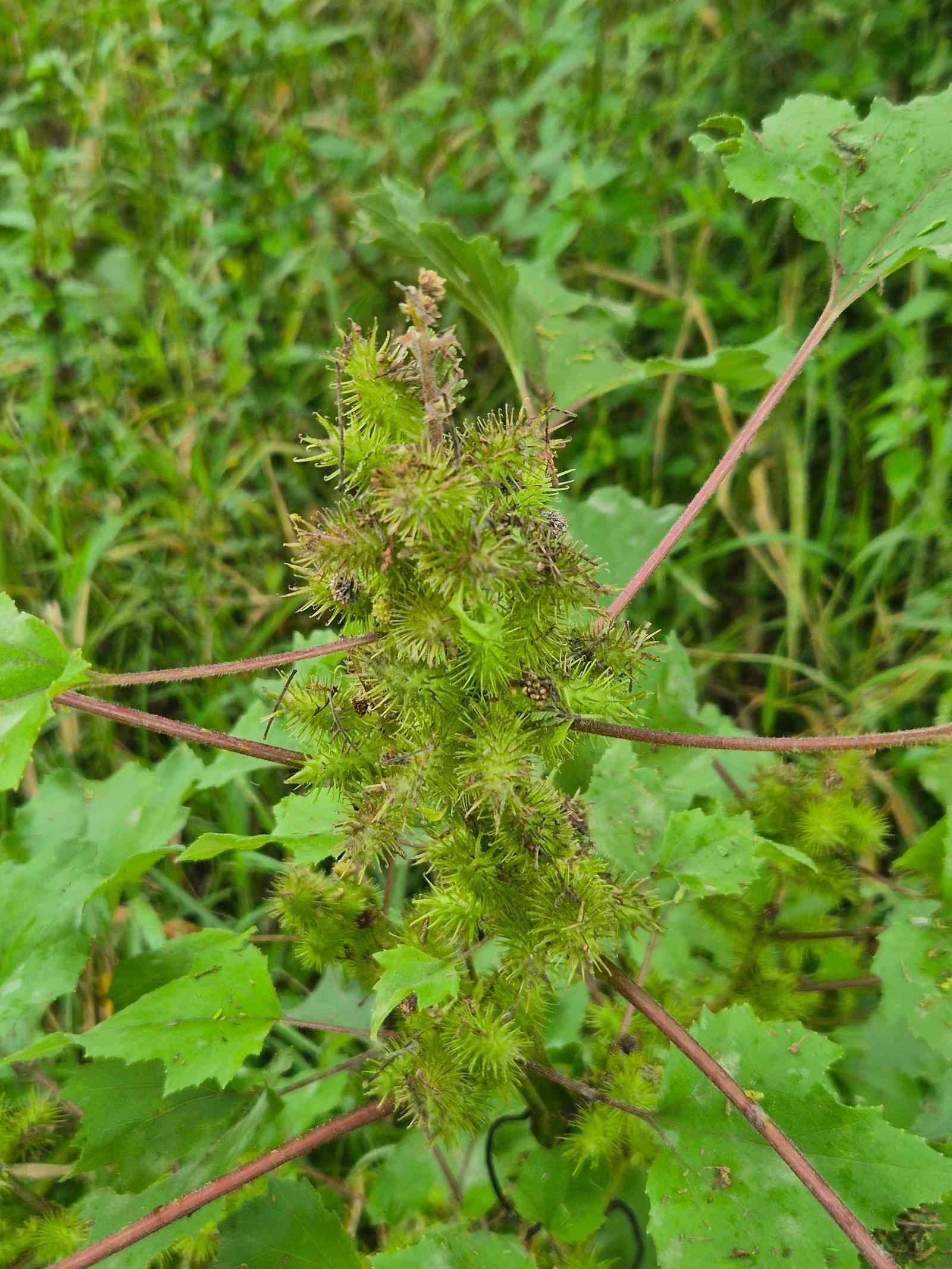
Cocklebur pollen shares ragweed's family, habitat and late-summer schedule. Burs, bottomlands and the cross-reactivity question — counted at PollenAtlas.com.
Read more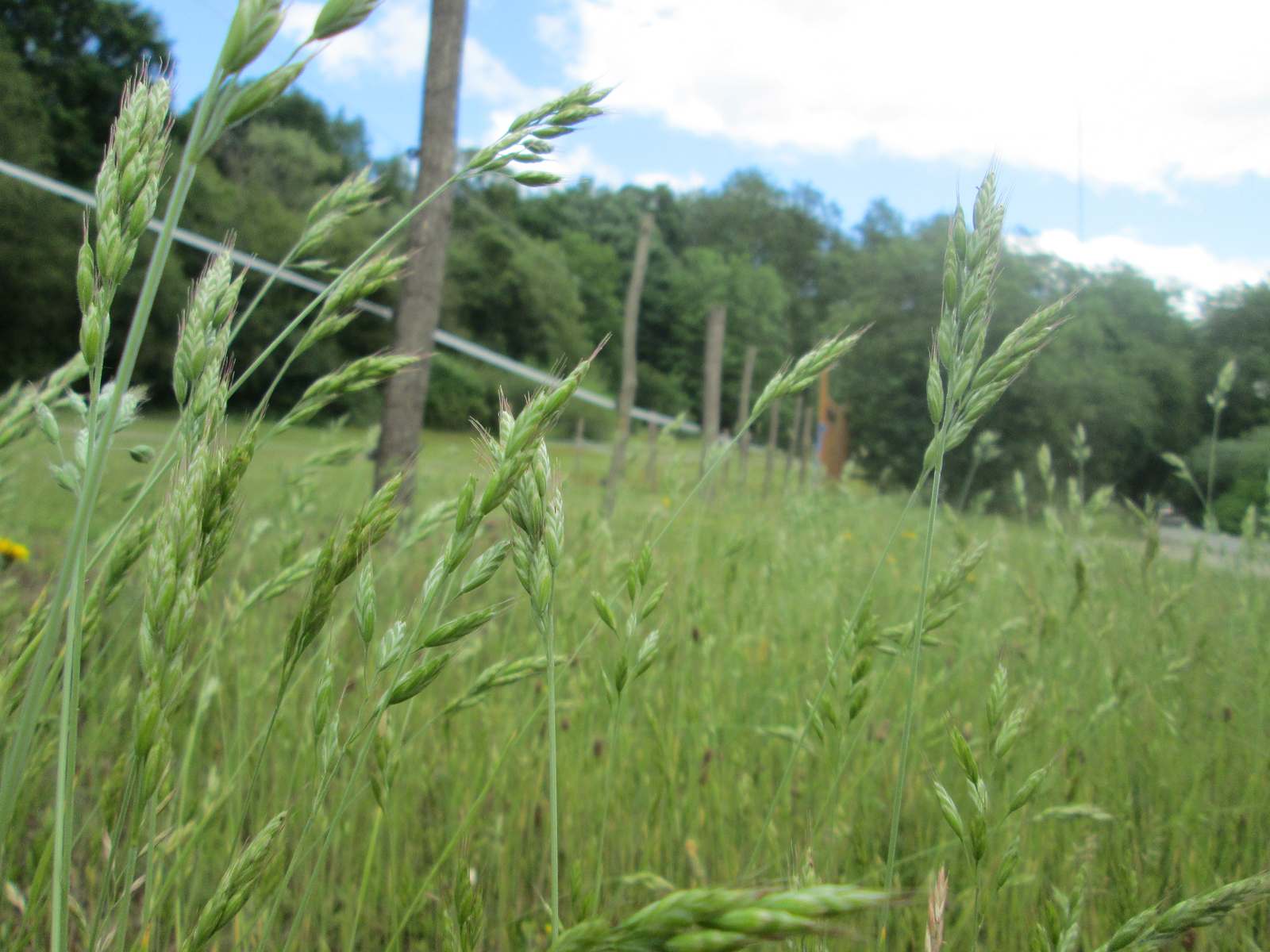
Brome pollen seasons the northern Plains' late spring — a hay grass planted everywhere since 1884. Its story and its counts — PollenAtlas.com has yours.
Read more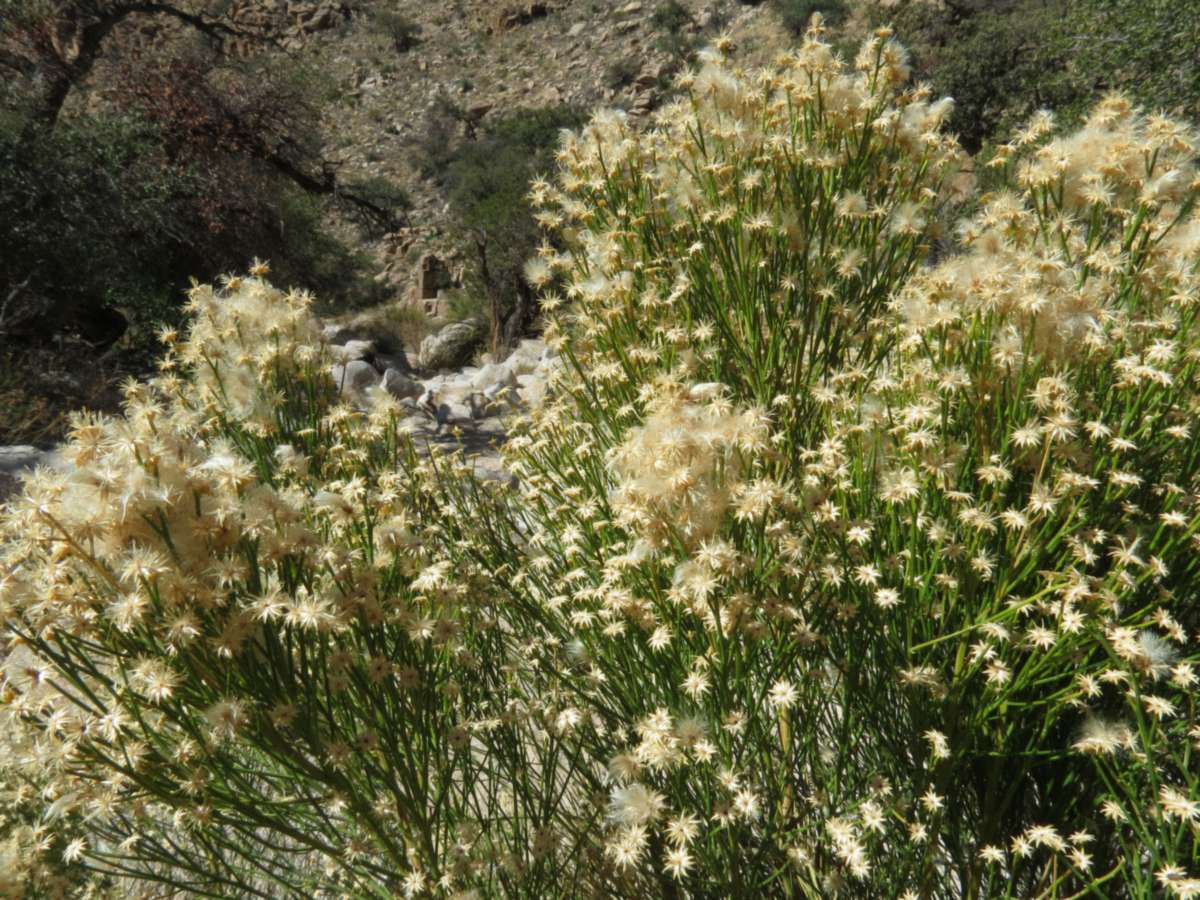
Desert broom pollen comes from the male shrubs each fall — the famous white fluff is seed, not pollen. Tucson and Phoenix, read yours at PollenAtlas.com.
Read moreChinese tallow pollen rides spring air across the Gulf Coast on an invasive tree. See when it flies, where it spreads, and check your count at PollenAtlas.com.
Read morePalo verde pollen season turns Phoenix and Tucson yellow. Learn how allergenic Arizona's state tree really is and check today's count at PollenAtlas.com.
Read moreLamb's quarters pollen opens weed season weeks before ragweed. Learn its summer timing across the Plains and Rockies, and check the count at PollenAtlas.com.
Read moreWax myrtle pollen is the "bayberry" line in southern counts — an evergreen coastal shrub starting the season early. See its timing at PollenAtlas.com.
Read moreKentucky bluegrass pollen peaks in June across American lawns. Learn why the default turf is a benchmark allergen, and check your city count at PollenAtlas.com.
Read moreThe Missouri allergy season runs from plains tree springs in Kansas City to a long river-bottom ragweed fall. See your city's timing at PollenAtlas.com.
Read moreThe Utah allergy season splits between Wasatch Front valleys that trap air and a warmer red-rock south. See Provo and Ogden's timing at PollenAtlas.com.
Read moreThe Oregon allergy season is built on grass — the Willamette Valley grows the world's grass seed. See Portland's full pollen calendar at PollenAtlas.com.
Read moreThe New Mexico allergy season opens with juniper in the high desert, breaks for the monsoon, then turns to weeds. See Albuquerque's counts at PollenAtlas.com.
Read moreThe Kentucky allergy season opens in oak and horse-country grass, then runs a long Ohio River ragweed fall. See Louisville's timing at PollenAtlas.com.
Read moreWashington allergy season splits at the Cascades — Seattle's alder opens in winter while Spokane runs late and dry. See both calendars at PollenAtlas.com.
Read moreThe Massachusetts allergy season opens with coastal birch and oak, crests on June grass, and closes at the first hard frost. Track Boston at PollenAtlas.com.
Read moreThe Maryland allergy season stacks oak springs, humid grass summers and a long ragweed fall around the Chesapeake. See Baltimore's counts at PollenAtlas.com.
Read moreThe Pennsylvania allergy season stretches from Appalachian oak springs to a long Delaware Valley ragweed fall. See your city's timing at PollenAtlas.com.
Read moreThe New Jersey allergy season runs from corridor springs to a Pine Barrens ragweed fall, read from the New York and Philadelphia counts at PollenAtlas.com.
Read moreThe Nebraska allergy season builds from Platte River tree springs to a corn-belt ragweed fall across the plains. See Omaha's counts free at PollenAtlas.com.
Read moreThe South Carolina allergy season starts early and ends late, from Upstate pine springs to extended falls. Follow Greenville's counts at PollenAtlas.com.
Read moreWichita allergy capital three years running — how AAFA's ranking works, why it stuck, and what the title leaves out. See Wichita's numbers at PollenAtlas.com.
Read moreThe Austin cedar pollen record — 9,026 grains per cubic metre on Jan 6, 2004 — remains the winter mark that defined cedar fever. Read it at PollenAtlas.com.
Read moreNashville pollen record: on spring's first day in 2012 a Vanderbilt count hit about 11,000 — and barely made news. The full story is at PollenAtlas.com.
Read moreThe raleigh pollenpocalypse of April 2019 turned Durham's sky green in a single day. See how it formed, and check today's counts free at PollenAtlas.com.
Read moreThe tucson mulberry ban of the mid-1980s made one city legislate against pollen itself. Read how it happened — then check Tucson's counts at PollenAtlas.com.
Read moreLas vegas desert allergies are a landscaping story — a desert city that imported its pollen season. Read how, then check Vegas counts free at PollenAtlas.com.
Read moreDenver pollen altitude fools newcomers — a mile of elevation changes the season, not the sneezing. See what altitude really does, free at PollenAtlas.com.
Read moreCharlotte tree pollen is the price of the South's most celebrated urban forest. See how the canopy drives spring — and today's counts at PollenAtlas.com.
Read moreHow hay fever got its name starts with one sneezing doctor in 1819 and a hay theory he never believed. Read the story — and check counts at PollenAtlas.com.
Read moreThe history of antihistamines runs from a 1930s Paris lab to the first medicines of the 1940s. Read the story — and check today's counts, PollenAtlas.com.
Read moreThe japan cedar pollen crisis was planted by policy — post-war sugi forests that matured into kafunsho. Read the story, then see counts at PollenAtlas.com.
Read moreThe discovery of IgE ended a 45-year hunt for the ghost factor behind allergy — two teams, two continents, one molecule. Read it, then PollenAtlas.com.
Read moreOral allergy syndrome is pollen's case of mistaken identity — birch proteins with twins in apples, ragweed's in melons. Explained free at PollenAtlas.com.
Read moreHay fever resorts drew sufferers north every August, decades before pollen counts existed. Tour the refuges, then check your home city on PollenAtlas.com.
Read moreThe discovery of dust mites solved a 40-year mystery in 1964: the worst indoor allergen was a mite in the mattress. Read the hunt, then check PollenAtlas.com.
Read morePollen and exam scores are linked in studies of nearly 100,000 students — maths dipped most on high-pollen days. Read the research, then check PollenAtlas.com.
Read moreA pollen count tracker only helps if you read it well. Learn what the Total Index and tree, grass and weed splits mean — and track your city on PollenAtlas.com.
Read moreWeed pollen season runs August to the first hard frost, and ragweed is only the headliner. Meet the full cast and track your city's index on PollenAtlas.com.
Read moreWhat is a mold count, and why does it swing with humidity and storms? Learn how spore counts are measured — and see your city's mold reading on PollenAtlas.com.
Read moreSummer allergies run on grass pollen and outdoor mold long after the spring headlines end. Here's why June feels fine and July doesn't — check PollenAtlas.com.
Read morePollen alerts fire when the Total Index hits the High band. Learn what makes a day alert-worthy and how to see one coming — check your city on PollenAtlas.com.
Read morePollen counts by ZIP code are really city counts in disguise. Learn how a ZIP lookup resolves to your serving city — and find yours at PollenAtlas.com free.
Read moreThe history of allergy shots runs from Noon and Freeman's 1911 London inoculations to today's under-the-tongue tablets. Read the full story at PollenAtlas.com.
Read moreAlabama allergies run from late-winter trees on the Gulf Coast to a long ragweed fall inland. See Birmingham and Mobile's pollen timing at PollenAtlas.com.
Read moreThe Alaska allergy season compresses a year of pollen into a few fierce weeks of birch, alder and grass. See Anchorage and Fairbanks timing at PollenAtlas.com.
Read moreThe Arkansas allergy season moves from Ozark cedar and oak springs to a river-bottom ragweed fall. See Little Rock and Fayetteville timing at PollenAtlas.com.
Read moreConnecticut allergies run from maple and oak springs in the river valley to a ragweed fall on the coast. See Hartford and New Haven timing at PollenAtlas.com.
Read moreDelaware allergies shift from Piedmont woods in Wilmington to marsh-fringed summers at the beaches. See Dover and Newark pollen timing at PollenAtlas.com.
Read moreHawaii allergies never truly stop, with trade-wind grasses, kiawe and wet-season mold trading places from island to island. See it all at PollenAtlas.com.
Read moreIdaho allergies run from late-winter trees through sagebrush fall, split between dry Snake River plains and the pine north. See it all at PollenAtlas.com.
Read moreIndiana allergies move from spring maples and oaks to summer grass and a long ragweed fall from the lake to the Ohio River. See it at PollenAtlas.com.
Read moreIowa allergies build from river-valley trees to prairie grass and a heavy late-summer ragweed finish across the corn country. See it at PollenAtlas.com.
Read moreMaine allergies are short and sharp, from birch and maple spring woods to timothy summer and ragweed before the first hard frost. See it at PollenAtlas.com.
Read moreMississippi allergies run long and humid, from February oaks and pines through summer grasses to fall ragweed. See city-by-city timing at PollenAtlas.com.
Read moreMontana allergies are short and sharp, split between forested western valleys and the windy eastern plains. See timing for each region at PollenAtlas.com.
Read moreNew Hampshire allergies move from birch and maple in spring woods to grasses, then ragweed by late summer. Explore regional timing at PollenAtlas.com.
Read moreThe North Dakota allergy season is compressed by hard winters, then intense with prairie grasses and ragweed. Check the Fargo timing at PollenAtlas.com.
Read moreRhode Island allergies blend oak woods, bay humidity and coastal ragweed in the nation's smallest state. See Providence and Newport timing at PollenAtlas.com.
Read moreThe South Dakota allergy season splits at the Missouri River, farm country ragweed to the east, sagebrush to the west. See city timing at PollenAtlas.com.
Read moreVermont allergies open with birch and maple in the Champlain lake valley, crest on hayfield grass, and end at hard frost. Follow it at PollenAtlas.com.
Read moreThe West Virginia allergy season pours oak and hickory pollen off forested ridges into river valleys that hold their air. See the timing at PollenAtlas.com.
Read moreWisconsin allergies move from oak and birch springs to bluegrass summers and a September ragweed crest shaped by rich farmland. See it at PollenAtlas.com.
Read moreWyoming allergies are wind-carried across sagebrush basins and the high plains, brief at altitude and fierce in September. Follow it at PollenAtlas.com.
Read more