
Cedar Fever: The Winter Allergy That Hits Texas When Everything Else Stops
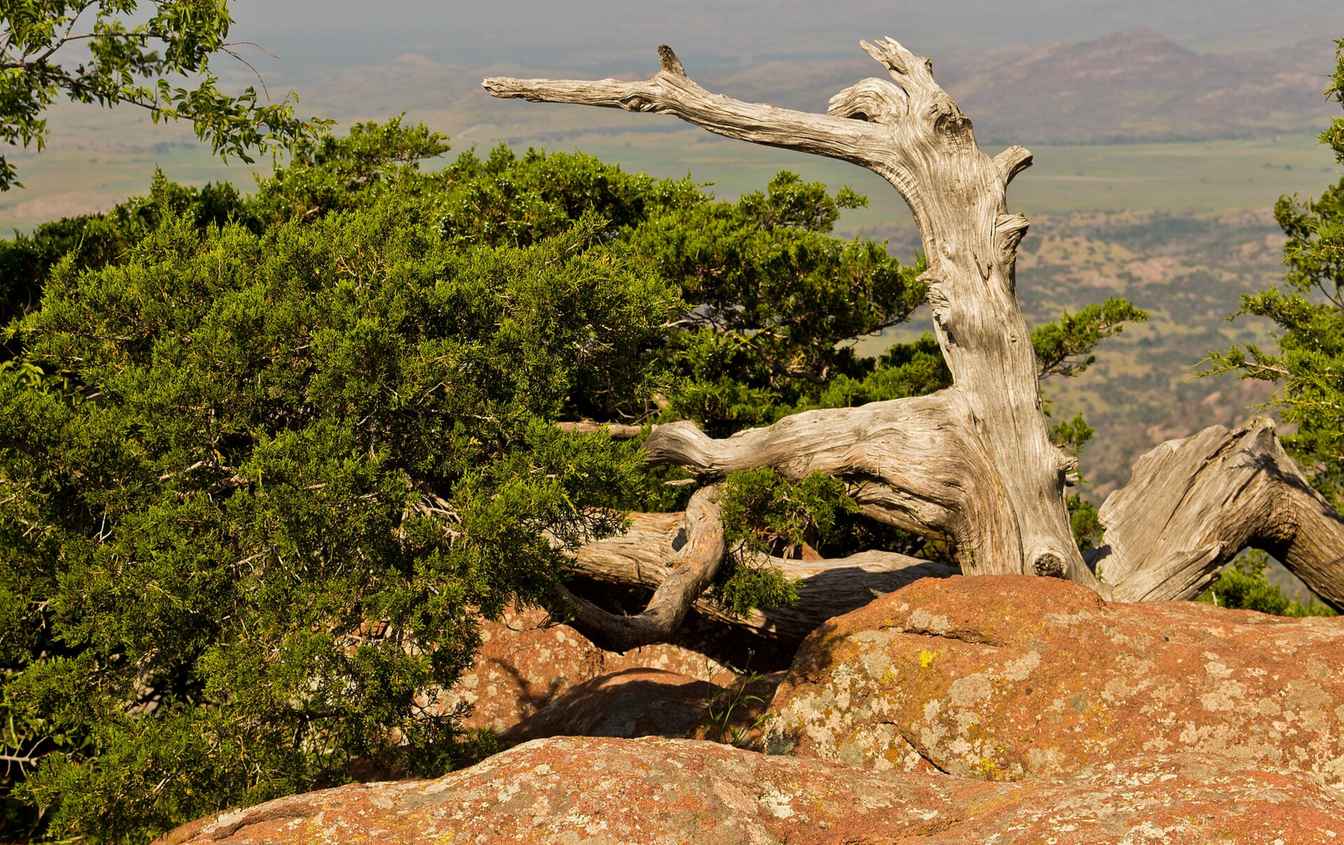
Most of the country puts its allergy season to bed in the fall. Texas does the opposite. Just as ragweed fades and the first real cold fronts sweep down the plains, cedar fever arrives — and for millions of people in Central Texas and beyond, the worst allergy weeks of the entire year begin in the middle of winter.
It is a strange paradox. Lawns are dormant, most trees are bare, and neighbors in other states are done sneezing until spring. Yet in the Hill Country, a tree that thrives on limestone hillsides is about to release pollen on a scale few other plants can match.
What cedar fever actually is
Cedar fever is the local name for an allergic reaction to the pollen of mountain cedar, also known as Ashe juniper. Despite the name, it is not an infection, and an actual fever is uncommon — the word "fever" in the name misleads a lot of people every winter. What most people are describing is a cluster of familiar hay-fever-style complaints that can arrive suddenly and feel intense: sneezing, congestion, itchy or watery eyes, a scratchy throat, and a general run-down feeling.
Because those complaints overlap so much with the colds and flu that also circulate in December and January, the seasonal confusion is understandable. People often mistake it for a winter cold that keeps coming back, especially when symptoms flare on one day, ease the next, and then return hard after the weather changes. That on-off pattern, tied closely to wind and fronts, is one of the clues that pollen — rather than something going around an office or classroom — may be playing a role.
Only the male trees produce the pollen. In late fall they load up with small cones holding enormous quantities of fine grains, waiting for the right weather cue to let go all at once.
This article is general information about a seasonal pollen pattern, not medical advice. If symptoms are persistent, severe, or confusing, an allergist can test which pollens affect you — and the Pollen Atlas Find an Allergist directory lets you search for one near you.
Why winter? The cold-front trigger
Mountain cedar reverses the usual script because it pollinates in winter, roughly from December through March. That timing is not an accident. Ashe juniper evolved in a landscape where a sharp temperature drop is a reliable signal, and generations of observation in Texas point to the same trigger: a cold front.
Here is the pattern residents learn to watch. A front pushes through, temperatures fall, the air turns dry and gusty, and then, as skies clear and winds pick up, the male trees release. On the most dramatic days the release is visible. Pollen pours off the trees in pale clouds that drift like smoke — the "smoking" cedar trees in Texas photos every January. It looks like wildfire haze, but it is pollen, in staggering amounts.
A single tree can release enormous numbers of grains, and because whole hillsides in the Hill Country are covered with Ashe juniper, the combined effect multiplies quickly. Counts can spike to extreme levels on front days and then crash just as fast when the wind shifts, rain moves in, or the latest wave of pollen has passed. That volatility is the defining feature of the cedar pollen season Texas residents know so well: it is less a smooth, steady season than a series of ambushes separated by deceptively calm days.
Where it hits hardest
The epicenter is Central Texas and the Hill Country, where Ashe juniper is not just present but dominant — it blankets rocky slopes, ranch land, and the edges of fast-growing suburbs. That puts Austin's daily pollen levels and San Antonio's daily pollen levels squarely in the firing line, along with the smaller Hill Country communities between and around them, where tree cover is thickest and there is little distance between the source and people's front doors.
The reach does not stop there. Wind carries mountain cedar pollen well beyond the hills where it originates, so the effects regularly extend north and east into the Dallas pollen forecast area and Fort Worth's daily pollen levels, and west and north into parts of Oklahoma. People in those cities sometimes assume cedar is a Hill Country problem that does not concern them — until a strong front lines up the wind just right and a distant hillside becomes their problem too.
Proximity still matters most. Pollen Atlas data shows the sharpest day-to-day swings tend to occur closest to dense juniper cover, while cities farther from the source more often see the season as a series of significant spikes rather than a constant barrage. Either way, no one in the region gets to sit the season out entirely.
Cedar season calendar
While every year writes its own version, the broad shape of the season in Central Texas is reliable enough to plan around:
| Month | What usually happens | The pattern to expect |
|---|---|---|
| December | The season opens as the first strong fronts arrive | Quiet days interrupted by the first front-driven spikes |
| January | The historical heart of the peak | The highest likelihood of extreme, "smoke cloud" days |
| February | The peak continues, then gradually loosens | Sharp spikes still common early, with more calm days later |
| March | The long tail of the season | Falling overall levels, with occasional late surges |
Think of December as the warning shot and January as the main event. By February, many people feel the worst is passing — sometimes correctly, sometimes one front too early. March usually brings relief, but a late release can still produce a miserable few days for sensitive people before spring pollen from oaks and grasses takes over the conversation.
Why this year could feel different
No two cedar seasons feel identical, and the differences are mostly about timing and weather rather than the trees themselves. A winter with frequent, closely spaced cold fronts can produce spike after spike with little recovery time in between. A winter where the fronts arrive late can compress much of the release into a shorter, more intense stretch. Rain matters too: wet weather can temporarily clear pollen from the air and delay releases, while dry, windy stretches give the trees repeated chances to unload.
Growth adds another layer. As development pushes farther into juniper-covered land around Austin and San Antonio, more people now live closer to the source than a generation ago — more households experiencing a first full season and wondering what hit them.
The takeaway is not to rely on last year's memory: a mild January last winter tells you almost nothing about this one. The season has to be read as it unfolds, front by front.
Track it day by day
That is exactly why daily tracking matters more for cedar than for almost any other pollen. A monthly average hides everything that makes this season hard — the extreme Tuesday, the calm Thursday, the spike that arrives with Sunday's front.
Pollen Atlas publishes per-plant pollen detail, including juniper and cedar, alongside a daily Tree Index scored from 0 to 100 — Low from 0 to 33, Moderate from 34 to 66, and High from 67 to 100. Pollen Atlas data shows cedar-season days in Central Texas regularly pushing the Tree Index into that High band on front days, then dropping back just as quickly. Checking your city's index in the morning is a reasonable way to know what kind of day you are walking into before the wind tells you.
Start with your city: Austin, San Antonio, Dallas, or Fort Worth. Then zoom out on the national city rankings to see how Texas stacks up against the rest of the country on any given day — in the depths of January, it is not unusual to watch Texas cities climb a list that the rest of America will not top until spring.
Winter in Texas has its own allergy season, and it answers to the weather, not the calendar page. Learn the front pattern, watch the daily numbers, and cedar fever becomes something you can anticipate instead of something that ambushes you.