Almost every pollen count comes down to a few dozen plants. They fall into three families — trees, grasses and weeds — and each one has its own season, its own strongholds, and its own way of making people miserable. This directory shows each major type with a photo: what it is, when it pollinates, where it is worst, and the symptoms it can cause. Pollen Atlas tracks the leading plants individually in the data behind every city page, so once you know your plant, you can watch for it in the pollen count today for your city and in the city rankings.
A note on symptoms: most tree and grass pollens produce the same core pattern in people who are sensitive to them — sneezing, a runny or blocked nose, and itchy, watery eyes — and any pollen can aggravate asthma. Where a plant has a distinctive twist, the entry says so. This directory is general information about plants and seasons, not medical advice.
Tree Pollen
Tree pollen opens the year — a few winter specialists, then the great spring wave from February to May. Pollen Atlas reports eleven plants individually in its city data; the trees below are the ones that drive the tree index.
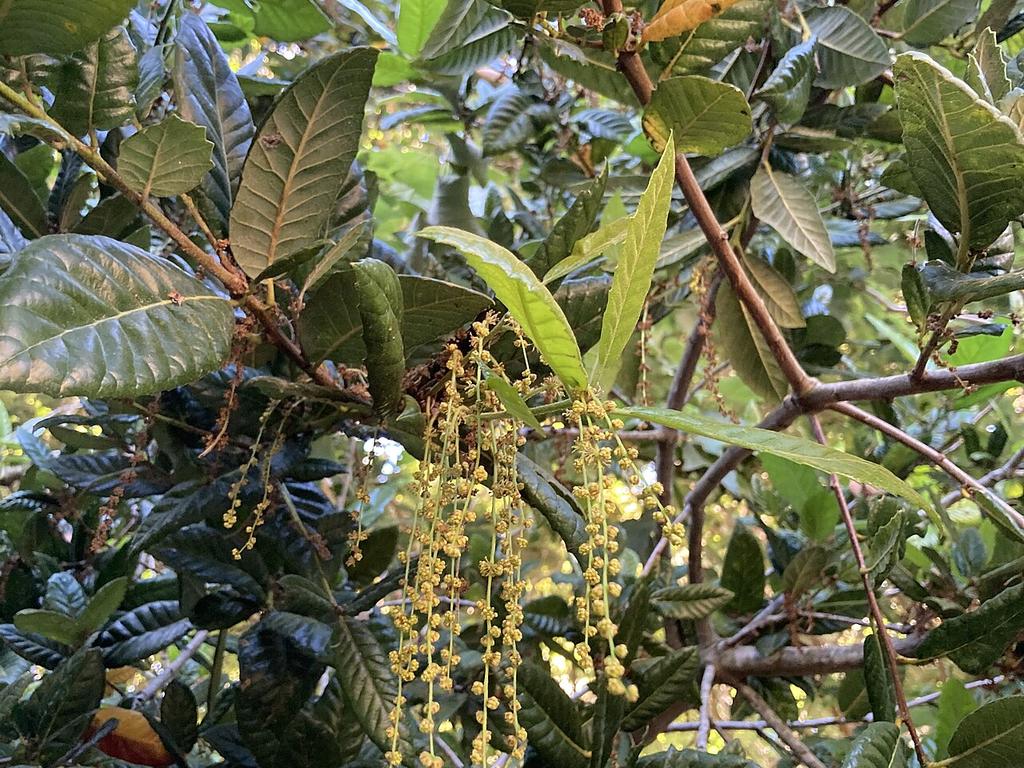
Oak Quercus
Season: Spring — March to May, peaking in April
Where: Heaviest across the Southeast, Mid-Atlantic and Texas; a major tree pollen on every continent's temperate zone
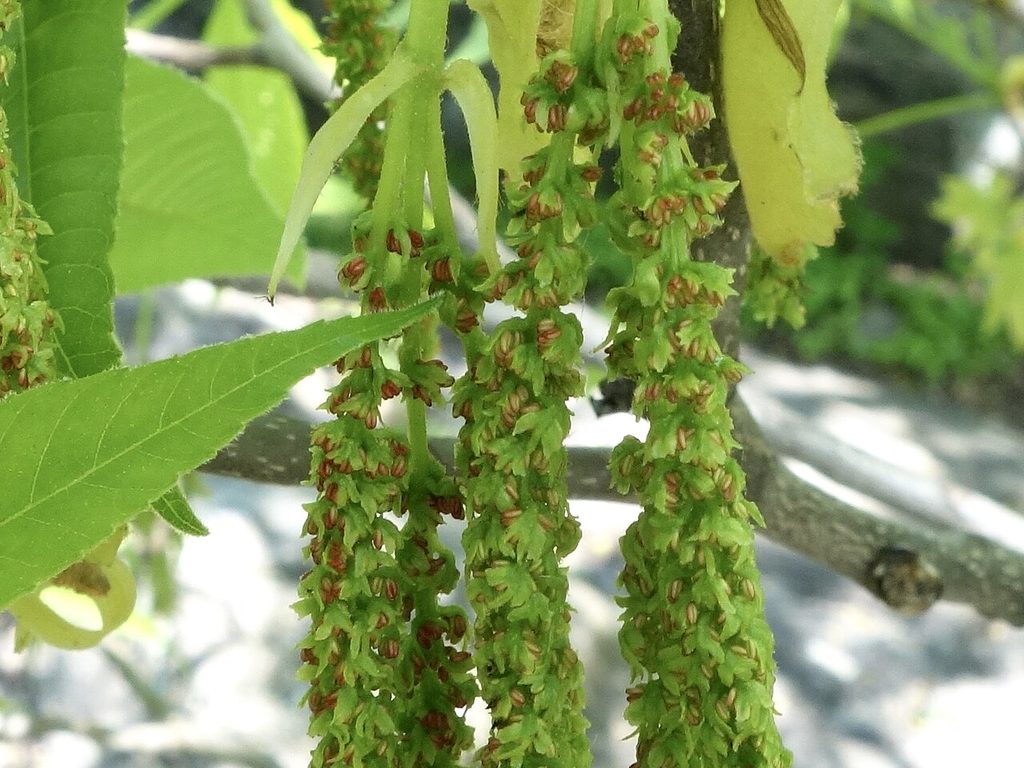
Oaks are the workhorses of the spring tree season: long catkins release pollen in quantities large enough to coat cars and sidewalks yellow-green. Oak is among the most common tree allergies in the United States, and sensitive people typically report sneezing, a runny or blocked nose and itchy, watery eyes through the spring peak. Pollen Atlas tracks oak in the plant detail on every city page.
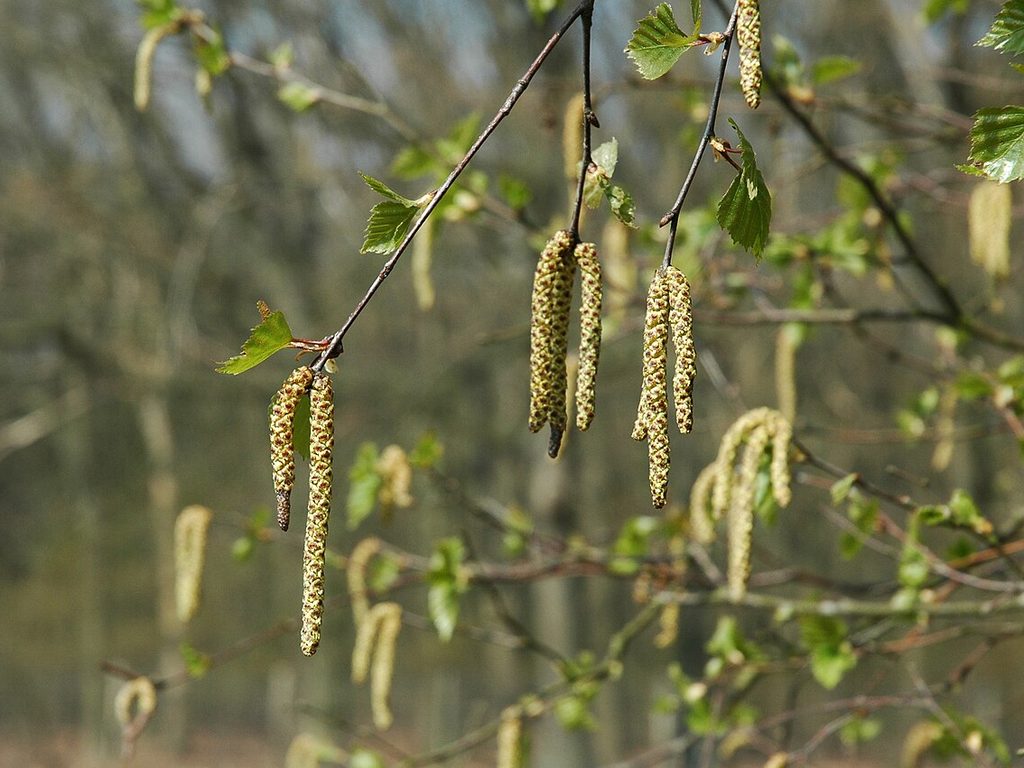
Where: Northeast and New England, the Great Lakes and the Pacific Northwest; the dominant tree allergen of northern Europe
Birch pollen is one of the most potent tree pollens in the northern hemisphere — the main spring allergen from Scandinavia to Germany, and a leading cause of spring hay fever in the northern United States. Birch belongs to the same family as alder and hazel, and its main allergen cross-reacts with proteins in raw apples, pears, cherries and hazelnuts, which is why some birch-sensitive people notice an itchy mouth from those foods (oral allergy syndrome).
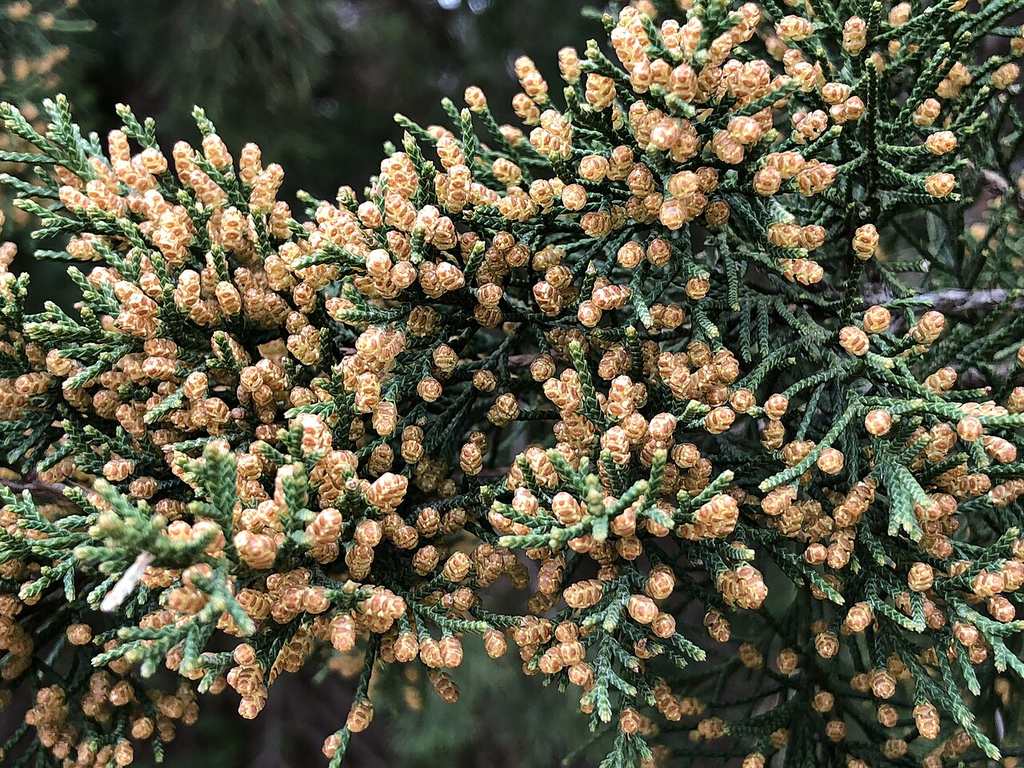
Where: Central Texas above all — the Austin and San Antonio corridor; junipers across the Southwest and Mountain West
Mountain cedar breaks the calendar: this juniper pollinates in mid-winter, when almost nothing else is in the air, and releases so heavily on cold, windy days behind fronts that the reaction has its own name — cedar fever. On peak days the cedar count around Austin and San Antonio can dwarf every other city's total. Symptoms are the classic hay-fever set, often arriving suddenly with the front that carries the pollen.
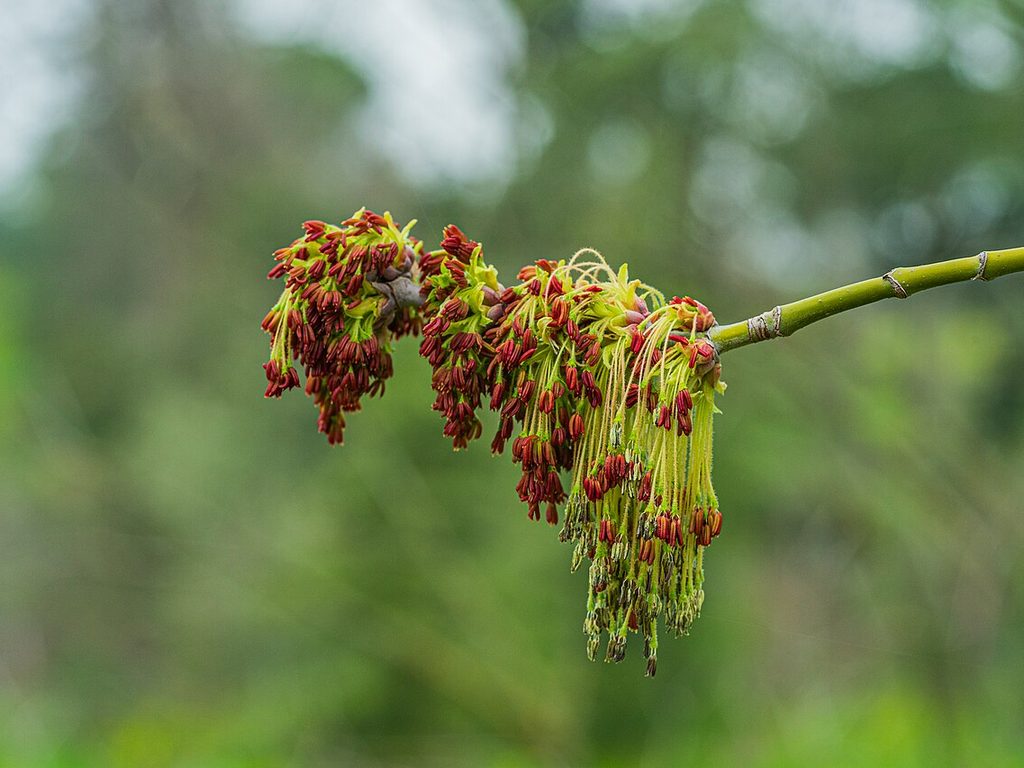
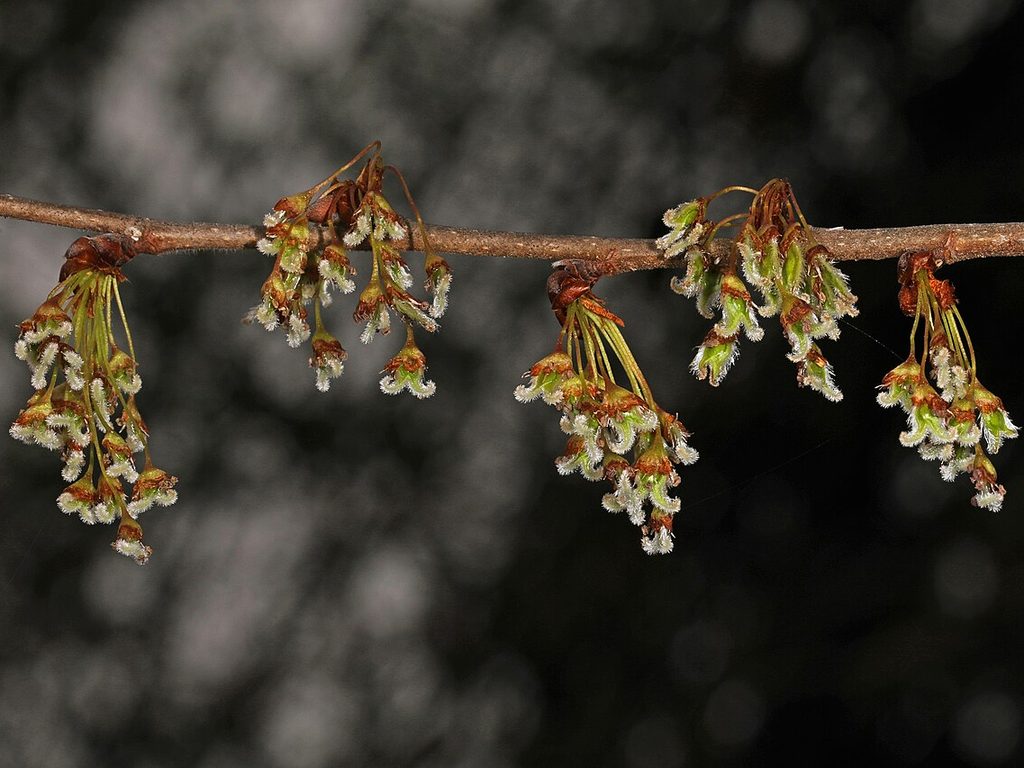
Where: Eastern and central United States, wherever maples shade streets and yards
Maples open the tree season in much of the East, flowering before their leaves emerge. Maple pollen is a moderate allergen — rarely the whole story of a spring, but a real contributor to the early-season totals that city pages show, and one of the plants Pollen Atlas reports individually in its per-plant detail.
Season: Early spring for American elm; some species again in fall
Where: Across the United States — street elms in the East and Midwest, cedar elm in Texas
Elms flower early, and elm pollen is part of the first tree wave most cities record. The genus runs on two clocks: American elm pollinates in early spring, while cedar elm — common in Texas — flowers in the fall, giving elm a second, smaller season that shows up in southern city data.
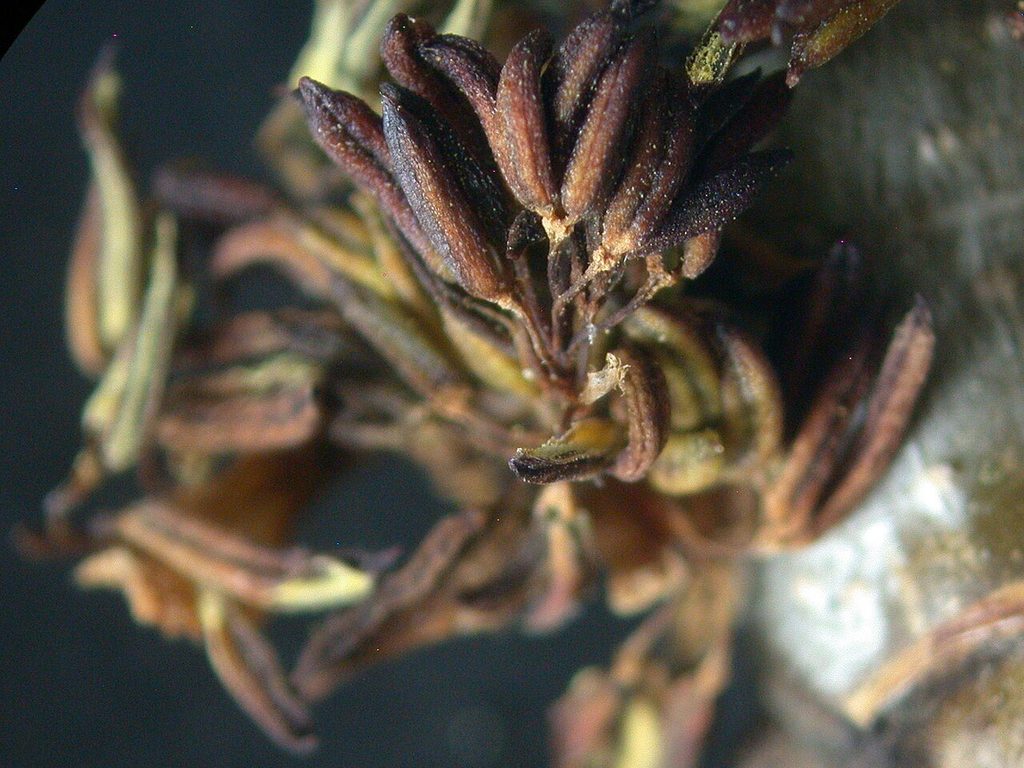
Where: Midwest and Northeast street and forest ash; its family includes olive, with cross-reactions between the two
Ash trees are wind-pollinated and productive, and ash pollen is a significant spring allergen in the Midwest and Northeast. Ash sits in the olive family (Oleaceae), and its pollen cross-reacts with olive pollen — a connection that matters to people who react to both, on either side of the Atlantic.
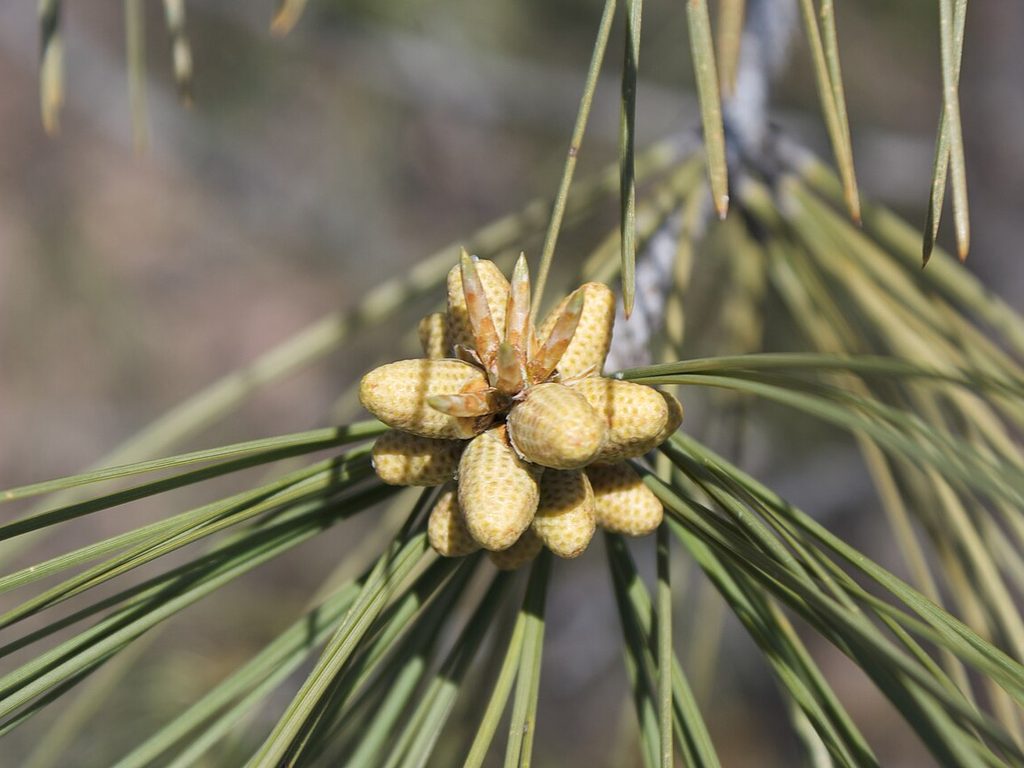
Where: The Southeast's pine belt above all; pines across North America, Europe and Asia
Pine produces the most visible pollen in America — the yellow dust that films cars, ponds and porches across the Southeast each spring. It is also one of the least allergenic: pine grains are large and waxy and rarely provoke symptoms. When the yellow dust is heavy and you are miserable, the likelier culprits are the oak and other tree pollens flying invisibly alongside it.
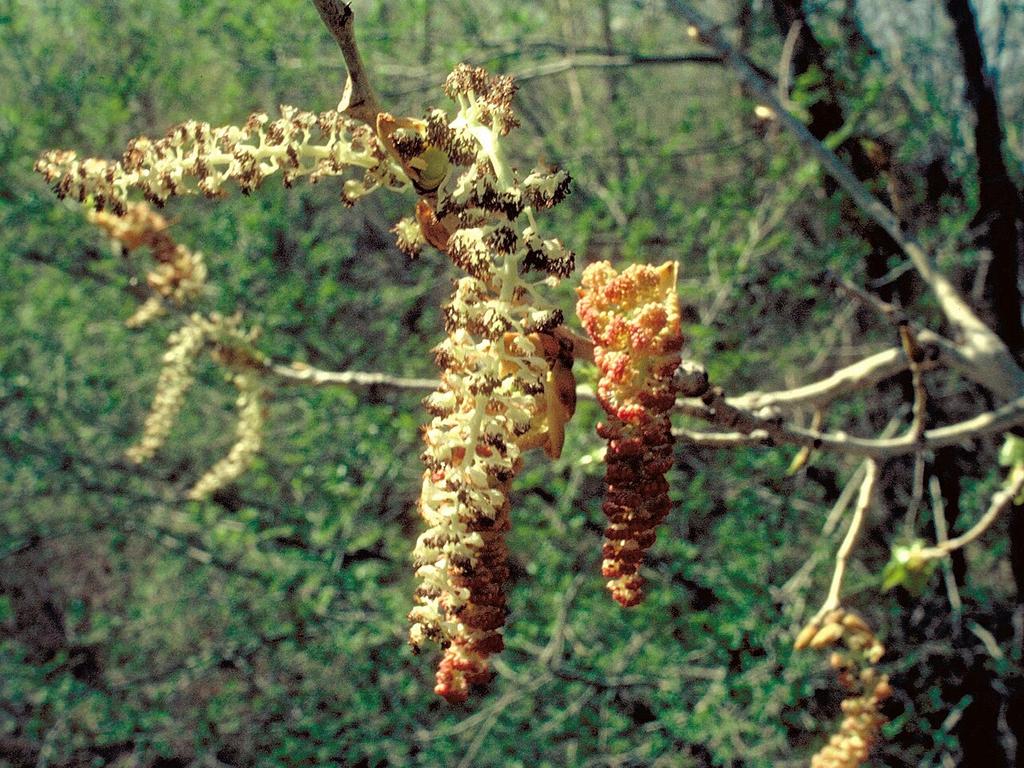
Where: River corridors of the Midwest, Plains and West; poplars and aspens are its close relatives
Cottonwoods pollinate in spring, weeks before the famous white fluff appears. The fluff itself is seed, not pollen — it is blamed for symptoms that usually belong to the grass season starting at the same time. Cottonwood pollen itself is a moderate allergen, tracked individually on Pollen Atlas city pages.
Season: Late winter to early spring — January to March
Where: The Pacific Northwest and Alaska above all; wet ground and stream banks across the northern states
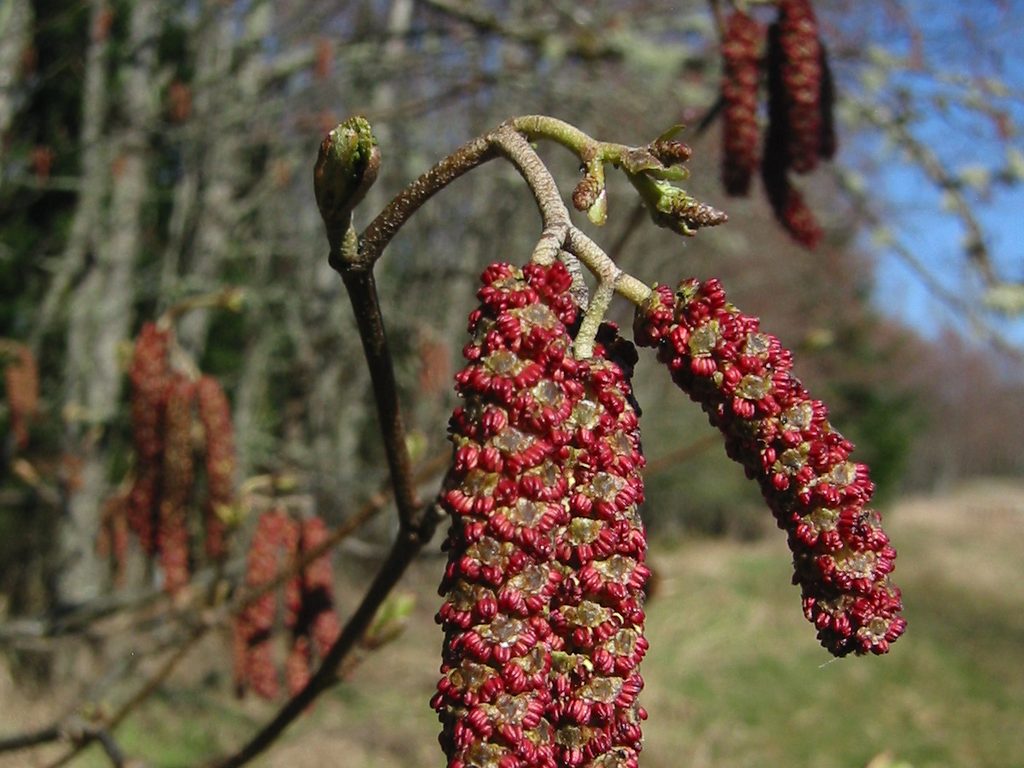
Alder is one of the year's first pollens, flying while most trees are still bare. In the Pacific Northwest it can open the season as early as January. Alder is in the birch family, and the two cross-react — a birch-sensitive person often reacts to alder as well, which stretches their season at both ends.
Where: The desert Southwest — Phoenix, Tucson, Las Vegas — and warm cities across the South
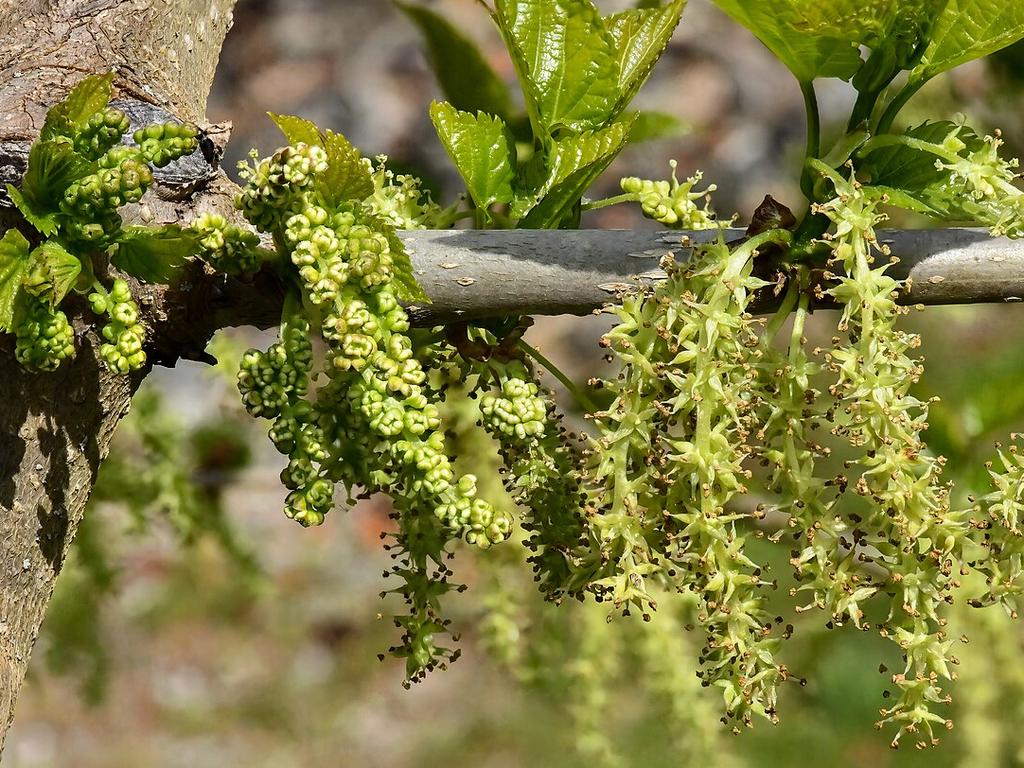
Mulberry is one of the most potent tree pollens in the Southwest, so troublesome that Tucson and other desert cities banned planting fruiting male mulberries. In desert metros it can dominate the spring tree index; elsewhere in the South and East it is a supporting player in the spring mix.
Where: California and the Southwest in the US; around the Mediterranean it is one of the great regional allergens
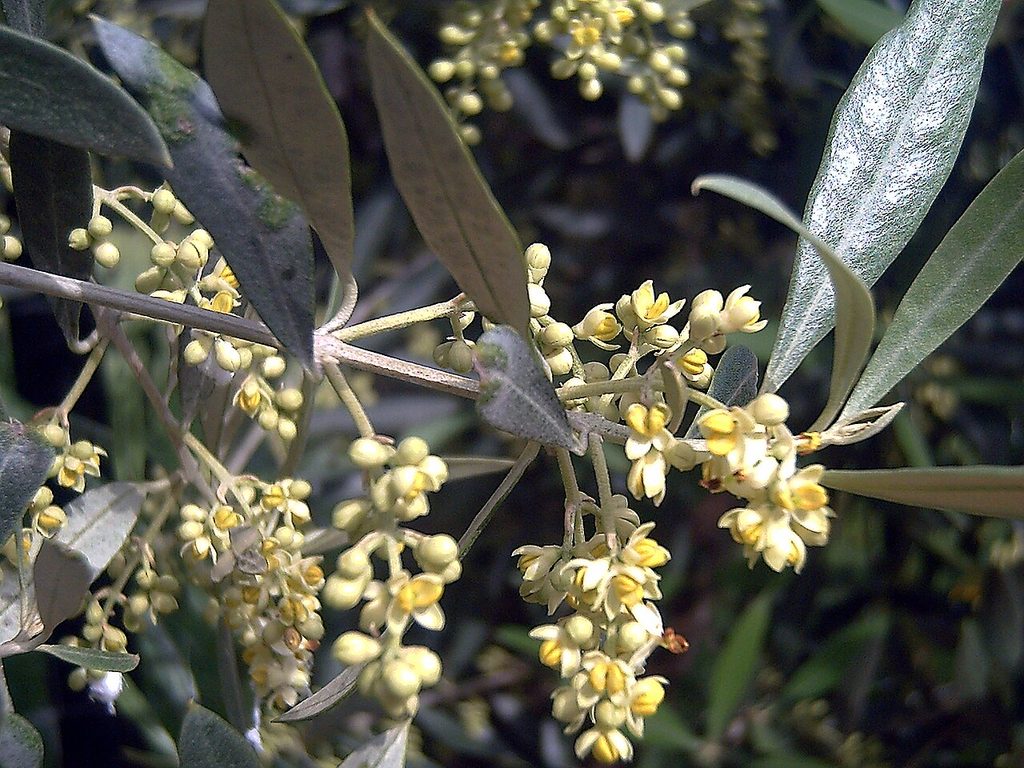
Olive pollen is a headline allergen of the Mediterranean world — Spain, Italy, Greece and North Africa — and a real one in California and Arizona, where ornamental olives are common and some cities restrict fruiting trees. Olive sits in the same family as ash and privet, and cross-reactions among the three are common.
Where: Texas, the Gulf states and the Southeast — pecan country
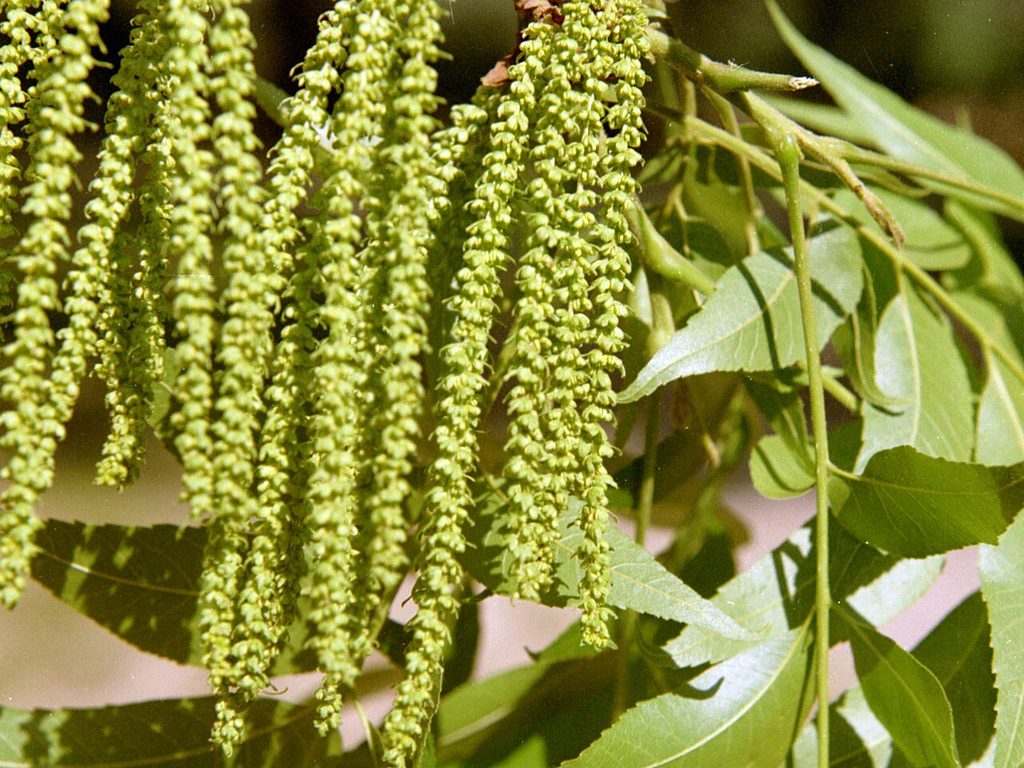
Pecan is the heavyweight of the hickory family: a large, late-spring pollen producer whose season is a defining feature of spring in Texas and the Gulf states. Pecan-sensitive people often describe some of their worst spring days in pecan weeks, when the catkins release over a short, intense window.
Where: Eastern US forests — the Ohio Valley, the Appalachians and the Southeast
Hickories share the pecan's family and season, adding their pollen to the eastern spring mix. Hickory is rarely measured alone in public counts, which is one reason Pollen Atlas reports the region's tree season plant by plant on its city pages — the family resemblance between hickory and pecan pollen means sensitivity to one often means sensitivity to both.
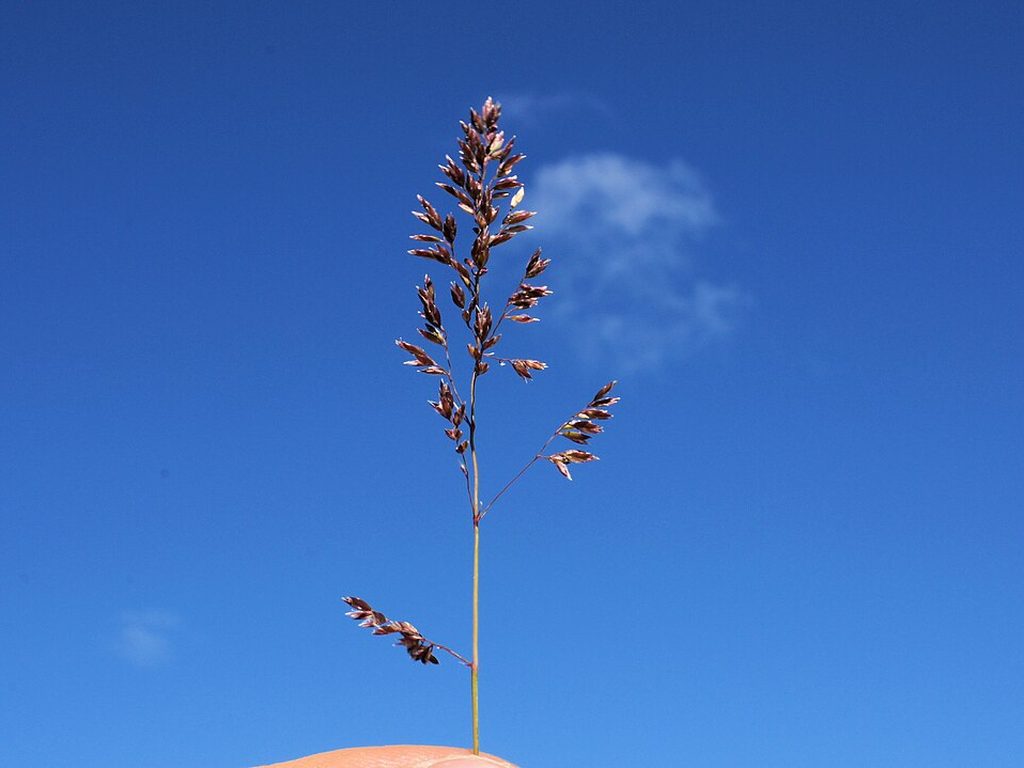
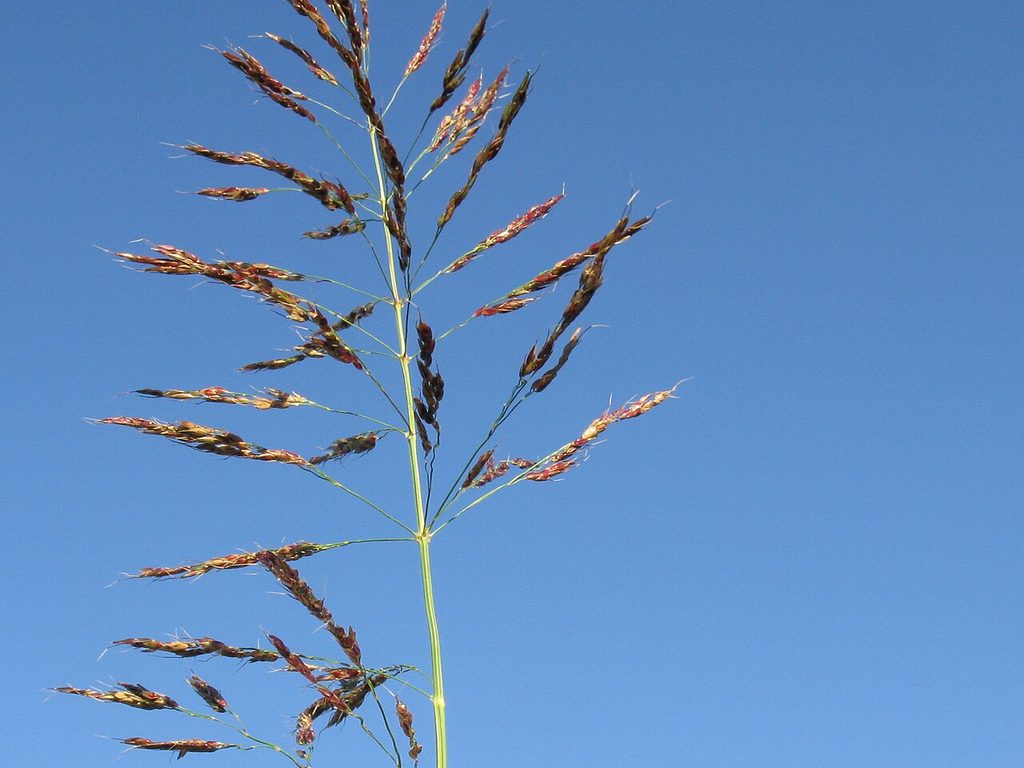
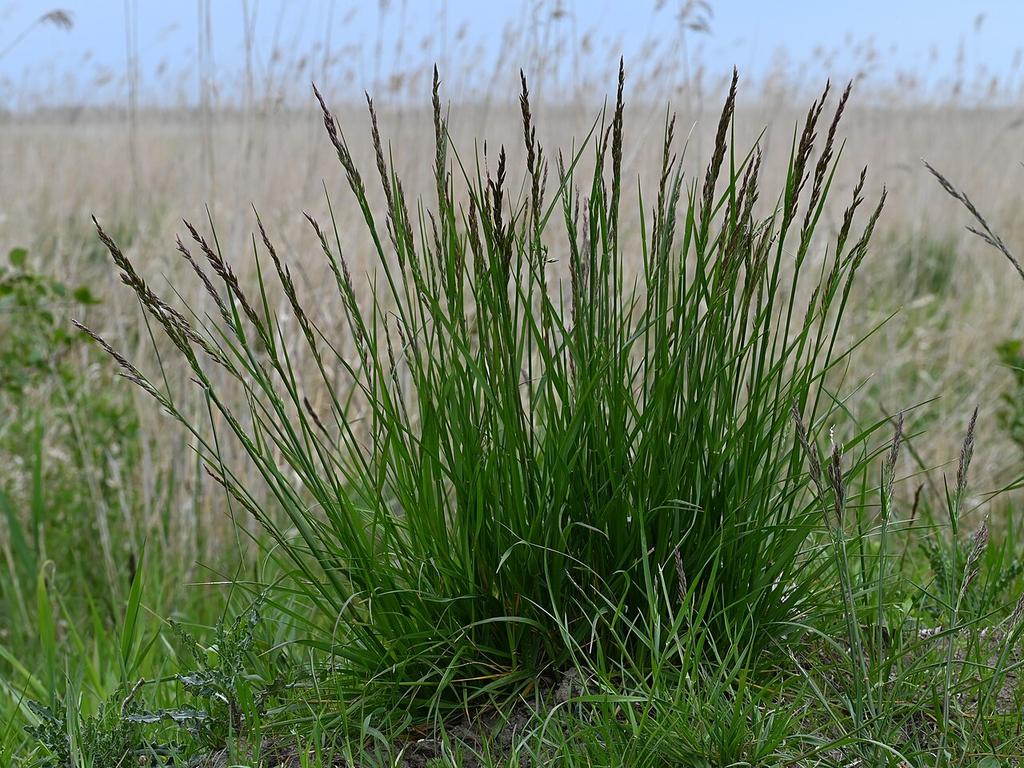
Grass pollen is the late-spring and summer act. The northern pasture grasses share their allergens and are usually reported together; the warm-season grasses — Bermuda, Johnson — are separate allergies of the South and Southwest.
Bermuda Grass Cynodon dactylon
Season: Warm season — spring through fall in hot climates
Where: The South and Southwest; a major grass allergen in subtropical climates worldwide
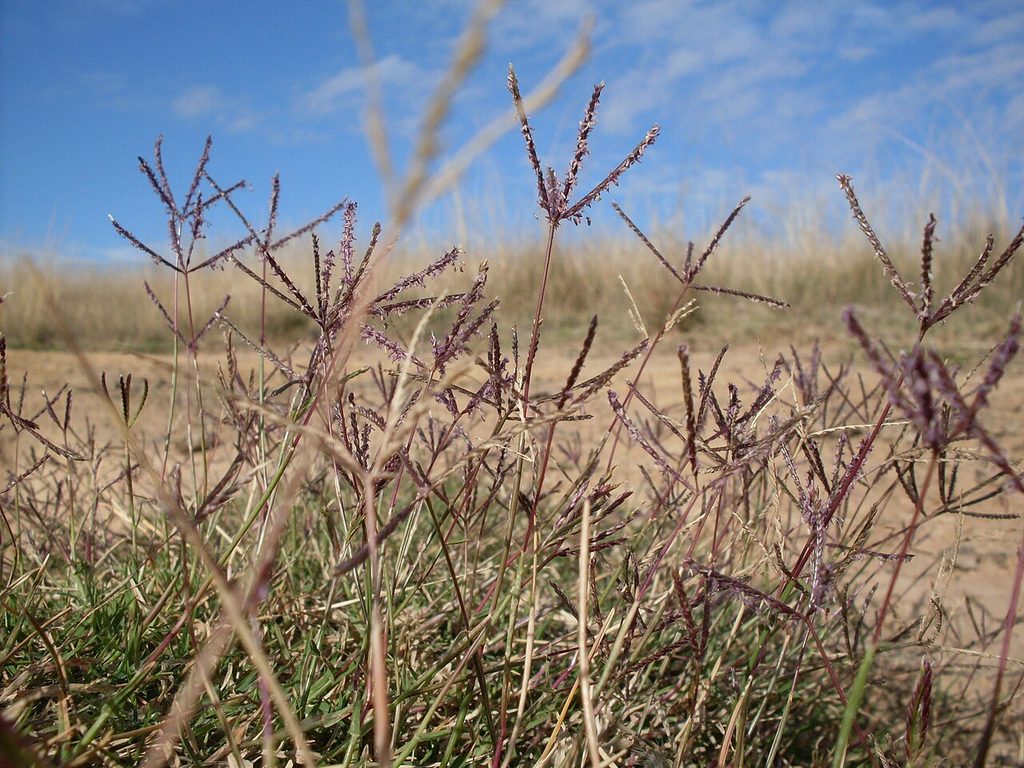
Bermuda grass is the grass allergen of hot places: a tough, drought-proof lawn and pasture grass whose flowering runs for months where winters are mild. In Phoenix, Las Vegas and the Gulf states it is a first-rank allergen with a season far longer than the northern grasses' — and its pollen cross-reacts only weakly with the northern grass family, so a Bermuda allergy is its own diagnosis.
Where: Northern United States hay and pasture country; the classic hay-fever grass of northern Europe
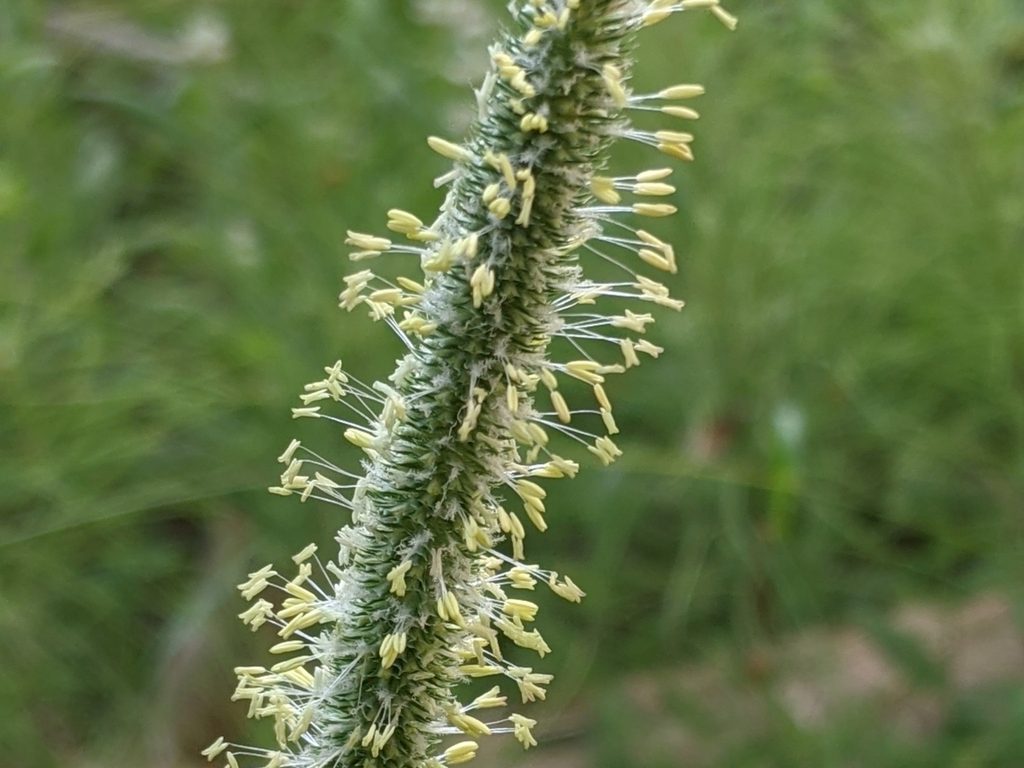
Timothy is the textbook grass allergen — the species in most allergy tests and much of the research — and a dominant grass pollen of northern pastures and hayfields. Its season opens the northern grass summer. Most northern pasture grasses (timothy, orchard, ryegrass, bluegrass, fescue) share allergens, so sensitivity to one usually means some reaction to all of them.
Where: The Pacific Northwest's grass-seed valleys, lawns and pastures nationwide; Australia's pasture belt
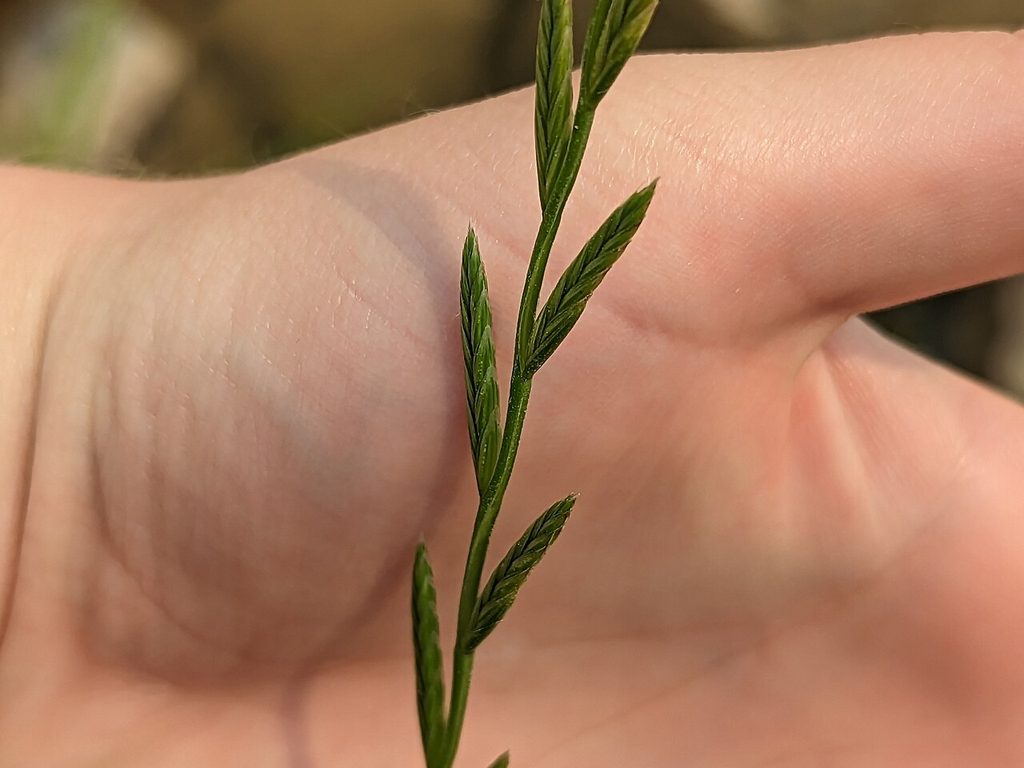
Perennial ryegrass is among the most allergenic grasses known, and it anchors grass seasons from Oregon's Willamette Valley to Melbourne, Australia — where ryegrass pollen, ruptured by a storm, triggered the world's largest thunderstorm asthma event in 2016. It is both a lawn grass and a pasture grass, which puts it close to where people live.
Where: Northern US lawns, turf and pastures — the default cool-season lawn grass
Kentucky bluegrass is the lawn under much of northern America, and its late-spring flowering is a quiet, widespread contributor to grass season — the pollen comes from unmowed edges, meadows and pasture more than from kept lawns, which are cut before they flower. It shares the northern grass allergen family with timothy and ryegrass.
Where: The South and Southwest — fields, roadsides and ditch banks; an invasive weed across warm regions worldwide
Johnson grass is a sorghum relative that escaped cultivation to become one of the South's worst weeds — and a significant grass allergen with a long, warm-season run. It cross-reacts with its crop cousins, and its pollen rides the same months as Bermuda grass in the southern states.
Where: The transition zone — Missouri, Kentucky, Tennessee, the southern Midwest — in pastures and lawns
Tall fescue is the pasture and lawn grass of the American transition zone, too hot for bluegrass, too cold for Bermuda. Its pollen joins the northern grass family's shared allergen set, and in fescue country it is a main driver of the early-summer grass readings on city pages.
Weed pollen closes the year. Ragweed owns the fall in the East and centre; the amaranth weeds own it in the dry West; and the docks and sorrels quietly fill the summer between grass and ragweed.
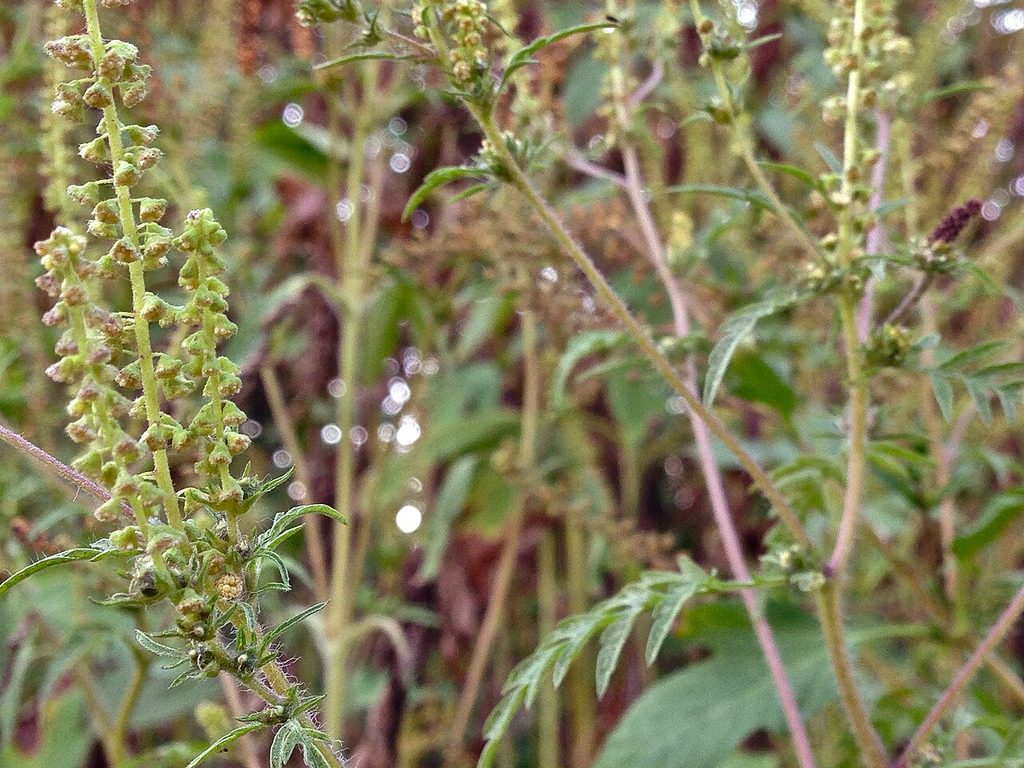
Ragweed Ambrosia
Season: Late summer to fall — August to the first frost
Where: The eastern and central United States above all; invasive and spreading across Europe and parts of Asia and Australia
Ragweed is the fall allergen: a single plant can release a billion grains of some of the most allergenic pollen known, and it is the main reason fall is a second allergy season across the eastern half of the country. Sensitive people commonly report intense sneezing, congestion and itchy eyes, and ragweed season can aggravate asthma. Pollen Atlas tracks ragweed daily — its season is the backbone of the fall city rankings.
Where: Poor and acidic soils nationwide — pastures, field edges and waste ground
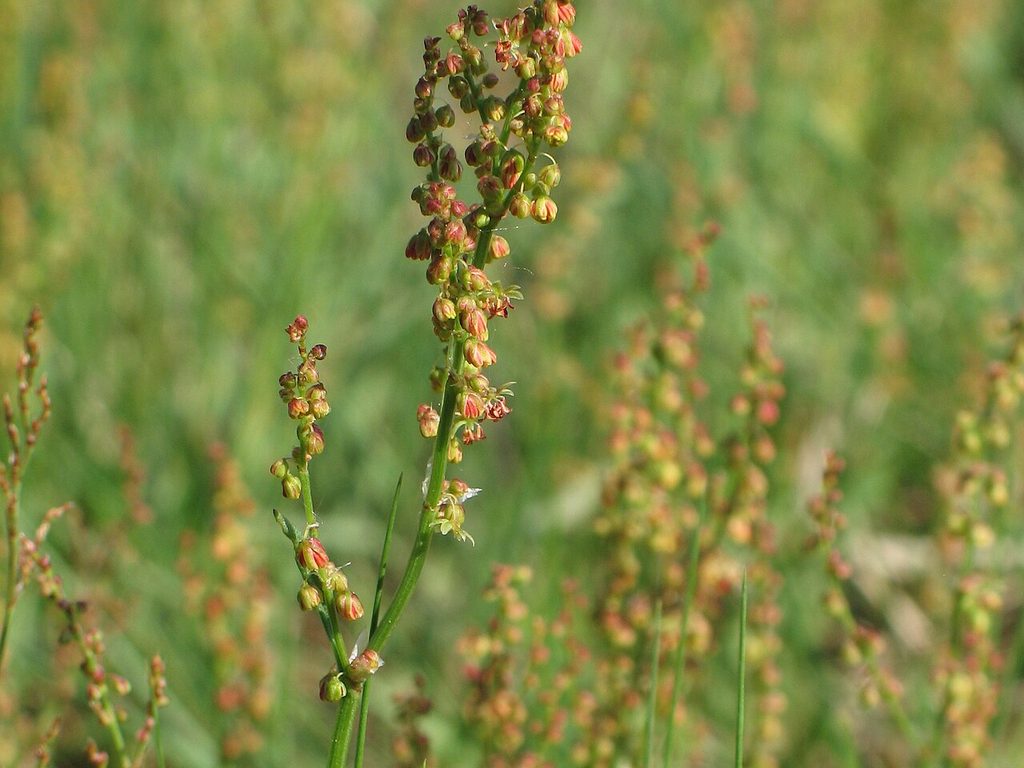
Dock sorrel — the Rumex docks and sorrels, listed on allergy panels as dock sorrel mix — fills the gap between the spring trees and fall ragweed with a long, modest season. It rarely makes headlines, which is exactly why it is missed: a steady weed reading in June and July is often this plant group at work.
Where: The Southwest and Great Plains — disturbed, dry ground
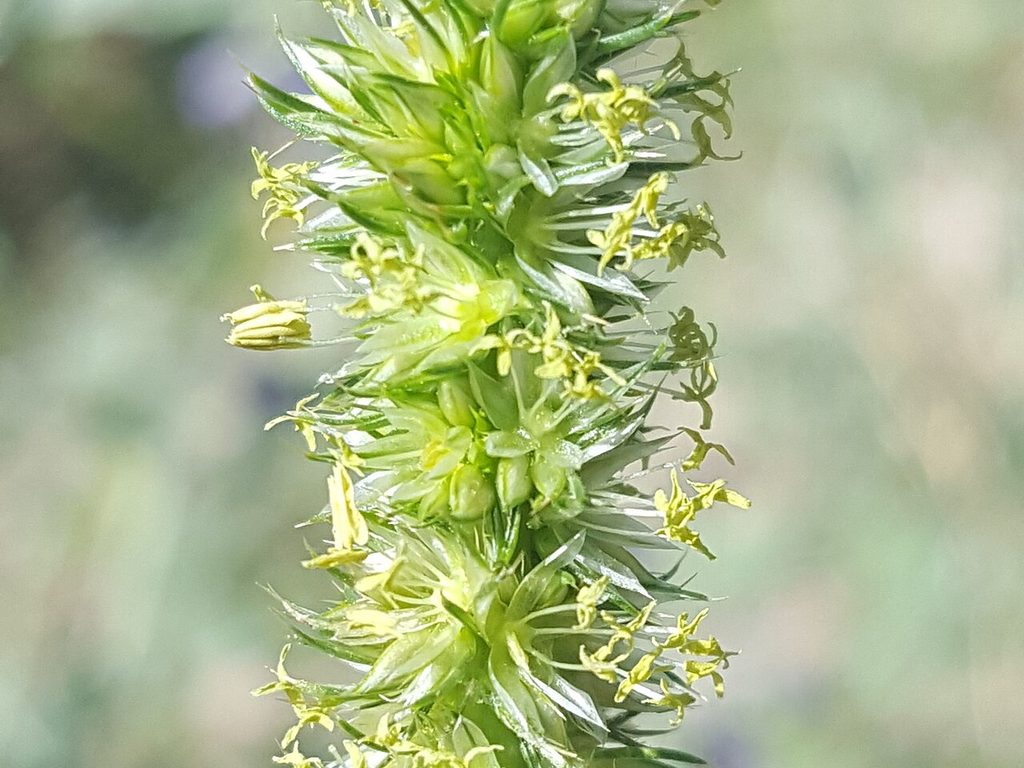
The amaranth family's weeds — pigweeds in fields and lots, Russian thistle (the tumbleweed) on open range — produce the late-season weed pollen of the dry West. In desert and plains cities they can be the weed index's main event after ragweed country fades, and their season runs long in mild autumns.
Mold is a fungus, not a pollen — but it travels in the same air, peaks in warm and damp weather, and sits in the Pollen Atlas index alongside the four pollen categories on every city page. The outdoor mold that matters most is alternaria, with the broader picture in our guides to mold allergies in fall and what a mold count is.
From plant to forecast
Knowing your plant turns a pollen count from a weather report into something personal: the total matters less than whether your plant is in it. Find your city on the pollen map, check which plants are listed in its detail today, and match them against this directory. If your symptoms and the counts disagree persistently, that mismatch is worth raising with a specialist — you can find an allergist in the Pollen Atlas directory.
Photo credits
All photographs via Wikimedia Commons, under the Creative Commons or public-domain terms noted; each entry names the species actually pictured.
Oak — Quercus tomentella, photo by Awinch1001, CC BY 4.0.
Birch — Betula pendula, photo by DimiTalen, CC BY-SA 3.0.
Mountain cedar — Juniperus virginiana (eastern redcedar, mountain cedar's close relative), photo by Famartin, CC BY-SA 4.0.
Maple — Acer negundo (boxelder), photo by Pedro Cifuentes, Public domain.
Elm — Ulmus americana, photo by Judy Gallagher, CC BY 2.0.
Ash — Fraxinus americana, photo by Gilles Ayotte, CC BY-SA 4.0.
Pine — Pinus sabiniana (gray pine), photo by Arliss Wells, CC BY 2.0.
Cottonwood — Populus deltoides subsp. monilifera, photo by Dave Powell, USDA Forest Service, CC BY 3.0 US.
Alder — Alnus rubra (red alder), photo by Walter Siegmund, CC BY 2.5.
Mulberry — Morus alba (white mulberry), photo by Didier Descouens, CC BY-SA 4.0.
Olive — Olea europaea, photo by Javier Martin, Public domain.
Pecan — Carya illinoinensis, photo by Clemson University — USDA Cooperative Extension, CC BY 3.0 US.
Hickory — Carya ovata (shagbark hickory), photo by William (Ned) Friedman, CC BY-SA 4.0.
Bermuda grass — Cynodon dactylon, photo by John Tann, CC BY 2.0.
Timothy grass — Phleum pratense, photo by My-Lan Le, CC BY 4.0.
Ryegrass — Lolium perenne, photo by Skyler Principe, CC BY 4.0.