
Mold Allergies in Fall: Why the Mold Count Climbs as the Leaves Come Down
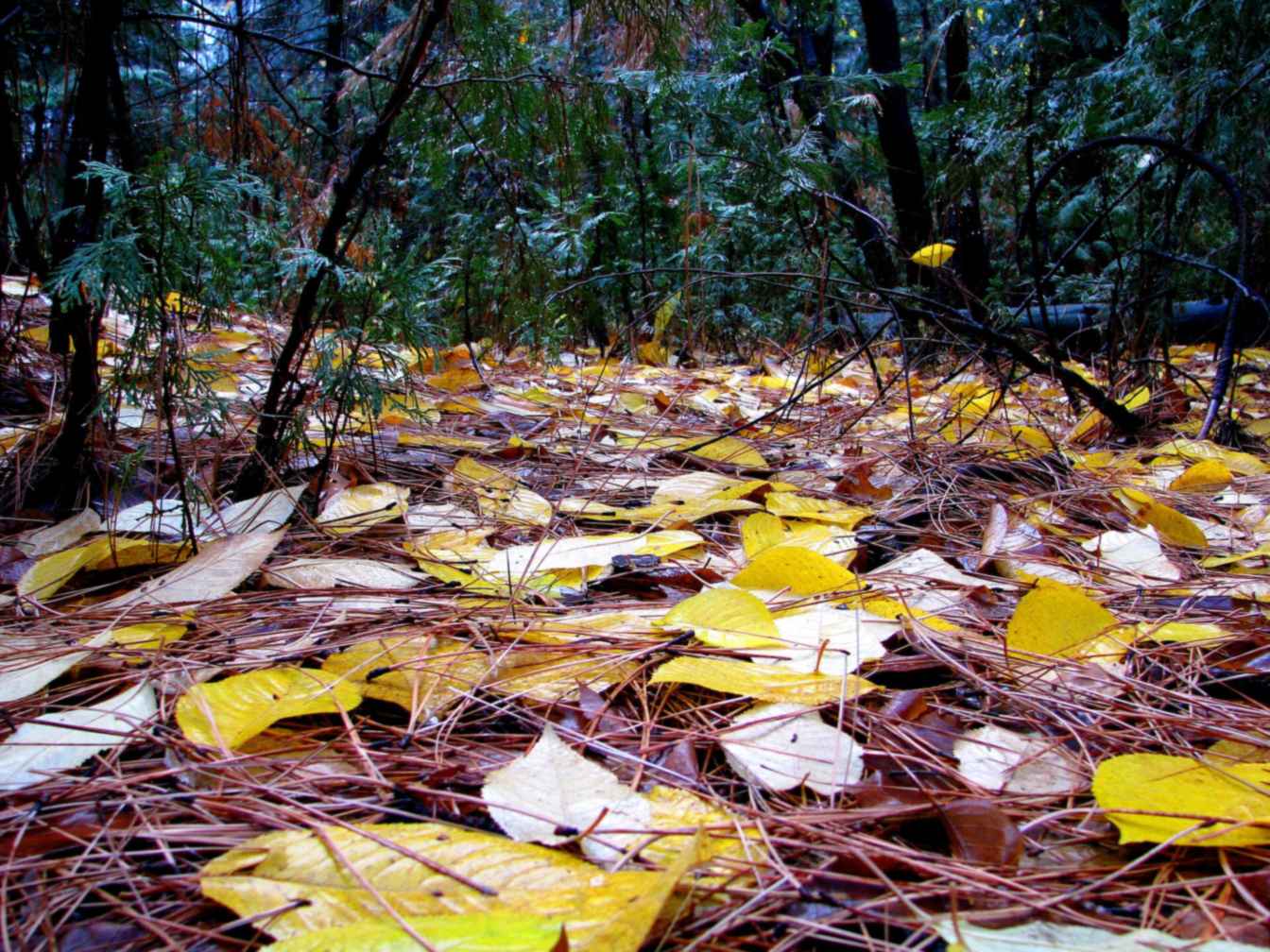
Mold allergies in fall catch many people off guard. The tree pollen of spring is gone, the grass pollen of summer has faded, and even ragweed is winding down — yet the sneezing continues on damp October mornings. The culprit is often not a pollen at all. It is mold: microscopic fungi whose spores fill autumn air in enormous numbers, fed by falling leaves, cool rain, and decaying vegetation. Understanding mold allergies in fall starts with understanding where those spores come from, when they peak, and why humid regions feel them most.
Key takeaways
- Mold allergies in fall are driven by spores, not pollen, and mold counts frequently run far higher in raw numbers than pollen counts on the same day.
- The season peaks when falling leaves, lingering damp, and yard work combine — leaf litter is prime mold habitat, and disturbing it releases spores.
- Humid regions such as the Gulf Coast and Florida carry the heaviest and longest fall mold seasons; hard frost is what finally slows outdoor mold down.
- Pollen Atlas data shows a city can post a low pollen index and a substantial mold count at the same time, so fall readers should check both numbers.
What Mold Allergies in Fall Actually Are
Mold is a fungus, not a plant, and it does not produce pollen. It reproduces through spores — tiny particles released into the air, often in far greater numbers than pollen grains. The outdoor molds most often named by the American Academy of Allergy, Asthma & Immunology (AAAAI) include Alternaria, Cladosporium, Aspergillus, and Penicillium. Some of these live outdoors on soil, compost, and rotting wood; others are familiar indoors as well.
Outdoor spore levels are measured much like pollen. Counting stations in the National Allergy Bureau (NAB) network report a mold count alongside pollen, expressed in spores per cubic metre of air. Because a single mold species can release spores in clouds, mold counts frequently run far higher in raw numbers than pollen counts on the same day. A city can post a low pollen index and a substantial mold count simultaneously — one reason fall symptoms can seem to come out of nowhere if you only watch pollen.
Why mold follows moisture, not a flowering calendar
The other reason is timing. Mold follows moisture and food, not a flowering calendar. Where pollen seasons are set by when a plant blooms, mold season is set by when the world gets wet and starts to decay — and in much of the United States, that is autumn.
Why Mold Allergies in Fall Peak When They Do
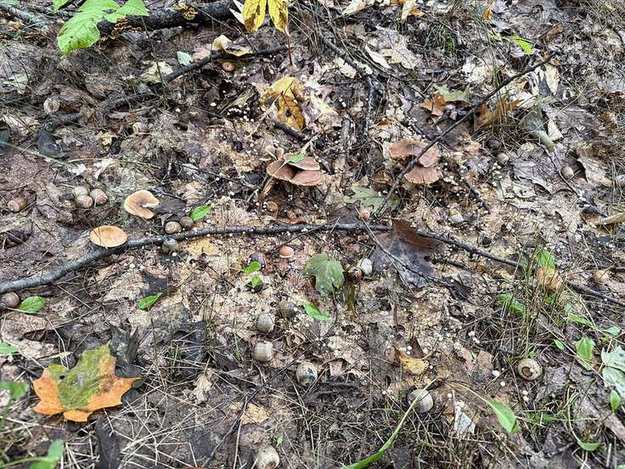
Several autumn forces stack up at once.
Leaves and leaf litter
First, the leaves. Deciduous trees drop an enormous layer of plant material in a few weeks, and leaf litter is prime mold habitat. Spores multiply in damp leaf piles, mulched beds, and compost heaps, then become airborne when leaves are raked, blown, or disturbed. The classic fall yard-work day — dry, breezy, spent moving leaves — is close to a worst case for spore exposure.
Cooler nights and slower drying
Second, the weather turns. Fall brings longer nights, cooler air, and slower drying. Dew lingers into the morning, rain soaks ground that stays damp, and the first frosts kill off vegetation that then rots in place. Each cycle of wetting and partial drying encourages mold growth and spore release.
Third, the calendar of farming and landscape adds its own pulses. Harvesting disturbs fields loaded with moldy plant debris, and in agricultural regions harvest weeks are known for heavy Alternaria levels.
The U.S. Centers for Disease Control and Prevention notes in its CDC mold guidance that molds are found in virtually every environment and can grow on almost any substance where moisture is present. Fall simply concentrates all three ingredients — moisture, decaying food, and disturbance — into the same few months. In the warm, humid South the season can stretch longer still, because the killing frost that eventually suppresses outdoor mold in the North may not arrive until late in the year, if the season turns mild.
Where Mold Allergies in Fall Hit Hardest
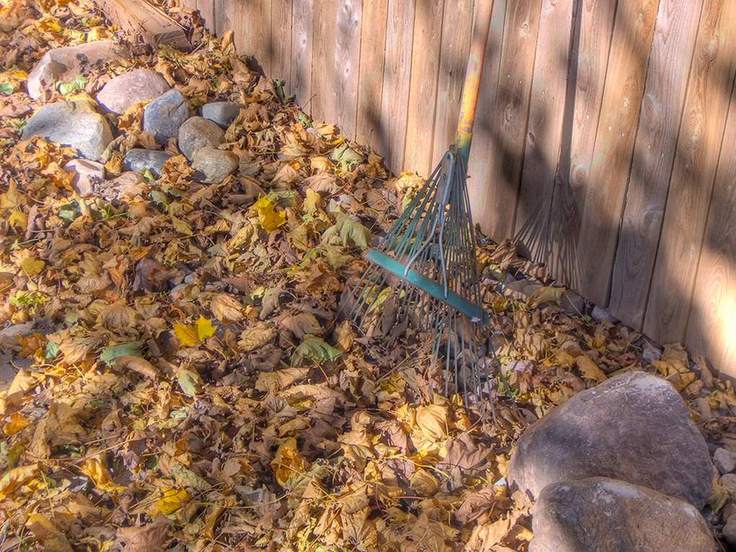
Moisture is the map. Humid, leafy, rain-fed regions tend to carry the heaviest fall mold loads, while arid regions see less outdoor mold — though irrigated landscapes and monsoon moisture create local exceptions.
Humid regions carry the heaviest load
Compare the fall pattern in a few Pollen Atlas cities. Houston's mold-prone Gulf air and long warm autumn keep vegetation damp well past the point when northern cities have frozen. New Orleans, where fall rain meets dense vegetation, follows a similar pattern. In Florida, Miami's year-round humidity and Jacksonville's wet, leafy autumns mean mold never fully leaves the picture the way it does after a hard northern freeze. That persistence runs down the coast — Boca Raton's pollen count sits in the same year-round humidity that keeps South Florida mold in the picture.
That regional spread is exactly what the city rankings are for: on any given fall day they show whether a heavy-spore stretch is a local event or part of a wider regional pattern, so a bad week in one Gulf city can be read against its neighbours rather than in isolation.
Mold Count vs. Pollen Count: Reading Both Numbers
If autumn is your difficult season, reading only the pollen number will mislead you. Pollen and mold are reported separately because they behave separately: pollen peaks with flowering and tends to ease after rain washes the air, while mold can surge after that same rain, as wet surfaces start producing spores.
Seasonal overlap makes it trickier.
| Reading the fall air | Pollen count | Mold count |
|---|---|---|
| Source | Flowers of trees, grasses, and weeds | Spores from fungi on leaves, soil, and decaying vegetation |
| What drives a rise | Flowering and pollen release | Moisture, decaying material, and disturbance |
| After rain | Often eases as rain washes the air | Can surge a few days later as wet surfaces produce spores |
| Measured as | Grains per cubic metre of air | Spores per cubic metre of air |
September and early October stack the tail of ragweed season on top of rising mold, and many people react to both. When a day's air carries moderate ragweed and heavy mold, the combined load is what you experience — even though each number, read alone, looks unremarkable. This is also the season when indoor exposure starts to matter more, as windows close and heating systems stir up household dust; our guide to dust mite allergy covers that indoor side of fall.
The U.S. Environmental Protection Agency, in its EPA Mold Course, makes a related point for buildings: the key variable is moisture control, because mold growth follows water indoors as reliably as it follows wet leaves outdoors. The outdoor count tells you about the air outside; the indoor picture depends on the building.
General Information for Fall Mold Season
Kept to general information — this is not medical advice, and questions about your own symptoms or testing belong with a clinician — a few widely published principles help frame the season:
- Watch both numbers. In fall, check the mold count alongside pollen before assuming a low-pollen day is a low-allergen day.
- Timing matters around yard work. Spore release spikes when leaf litter and compost are disturbed, especially on dry, windy days after a damp spell.
- Damp spells reset the clock. A rainy week followed by sun is a classic pattern for a mold surge a few days later, as growth catches up.
- Indoors, moisture is the lever. The EPA's guidance centres on fixing leaks, ventilating damp rooms, and keeping indoor humidity moderate, because indoor mold follows indoor water.
If fall symptoms are a recurring pattern for you, an allergist can identify which specific triggers are involved — mold, ragweed, indoor allergens, or a combination. You can find an allergist near you through the Pollen Atlas directory and filter by specialty and insurance.
Frequently Asked Questions
What causes mold allergies in fall?
Mold allergies in fall are caused by fungal spores released from damp leaf litter, soil, compost, and decaying vegetation. Falling leaves and cool, wet weather give outdoor molds such as Alternaria and Cladosporium both food and moisture at the same time.
When does fall mold allergy season peak?
Fall mold typically peaks in the weeks after leaves fall, while damp spells and yard work keep disturbing leaf litter. In humid southern regions the season can run longer, because the hard frost that suppresses outdoor mold arrives late.
Is it mold or ragweed making me sneeze in fall?
It can be either, or both, because September and early October stack the tail of ragweed season on top of rising mold. Checking the pollen count and the mold count side by side is the fastest way to see which load is heavier on a given day.
How can I check the mold count for my city?
Counting stations in the National Allergy Bureau network report a mold count alongside pollen, expressed in spores per cubic metre of air. Pollen Atlas city pages and city rankings let you read your city's fall pattern against neighbouring cities on the same day.
The Bottom Line on Mold Allergies in Fall
Mold allergies in fall are the shadow season of the allergy calendar: no flowers, no dramatic yellow dust, just spores riding out of wet leaves and damp soil in numbers that can dwarf a pollen count. The season peaks when leaves fall, rain lingers, and yard work stirs it all up — earliest and hardest in humid regions, ending only when hard frost or dry cold finally slows the fungi down.
Before you write off a crisp fall day as allergy-safe, check both numbers for your city — free pollen counts and forecasts, worldwide, at PollenAtlas.com.