
Ragweed Season: When It Starts, When It Peaks, and When It Ends
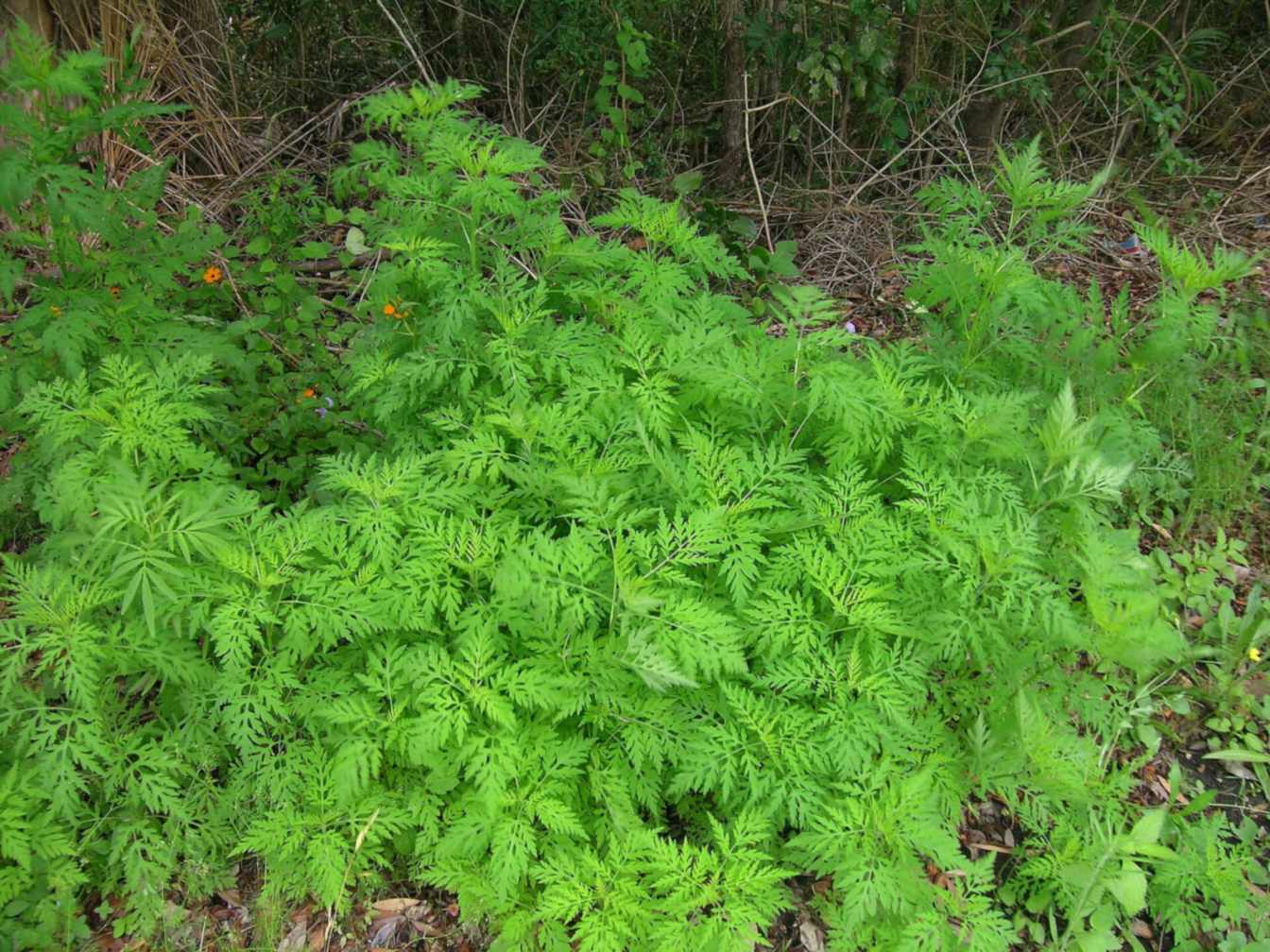
Just when summer allergies start to feel manageable, ragweed season arrives. For millions of people across the United States, the first hint is familiar: itchy, watery eyes on an otherwise beautiful late-summer morning, a sneeze that turns into ten, and a stuffy nose that seems to come out of nowhere. Ragweed is the main driver of fall allergy symptoms, and unlike a passing spring bloom, it does not come and go in a week or two. Ragweed season stretches for months, builds to a sharp peak, and only truly lets up when cold weather finally shuts the plants down. Knowing when it starts, peaks, and ends makes it far easier to plan around.
When ragweed season starts
Ragweed season typically gets underway in August. Ragweed is a short-day plant, which means its flowering is triggered as daylight begins to shrink after midsummer. Once the plants mature, they start releasing pollen — usually in early to mid-August across much of the Northeast and Midwest, and sometimes as early as late July in parts of the South, where the growing season runs longer and plants develop sooner.
The start is rarely dramatic. Early in the season, pollen release is light and patchy, and many people barely notice it. What changes quickly is consistency. Day after day of release adds up, plants in different locations mature at slightly different times, and pollen that drifts in from surrounding areas layers on top of whatever is produced locally. Within a few weeks of the first release, ragweed pollen becomes a near-daily presence in the air rather than an occasional irritant.
On Pollen Atlas, ragweed is tracked as part of the daily Weeds Index, scored from 0 to 100 — Low from 0 to 33, Moderate from 34 to 66, and High from 67 to 100. Pollen Atlas data shows the Weeds Index typically begins climbing out of the Low band during August, which is a useful signal that the season is genuinely underway in your area, rather than relying on the calendar alone.
The peak
If August is the warm-up, September is the main event. The ragweed peak generally lands in mid-September, when the largest number of plants are releasing pollen at the same time and weather conditions are often ideal for spreading it.
The scale of production explains why this period feels so intense. The American College of Allergy, Asthma & Immunology (ACAAI) notes that a single ragweed plant can produce up to a billion grains of pollen in one season. Those grains are small and light, built for wind travel, and ragweed pollen can travel hundreds of miles from where it was released. That means your symptoms are not only about the plants on your street. On the wrong day, a large share of what you are breathing may have blown in from fields and roadsides far outside your town.
Conditions matter enormously at the peak. Warm, dry, and windy days are the worst combination, because wind lifts pollen and keeps it airborne for longer. Counts also tend to be highest in the mid-morning hours, after the plants release pollen and the warming air starts to stir it around. Rain can bring temporary relief by washing pollen out of the air, but counts often rebound once things dry out.
Pollen Atlas data shows the Weeds Index spending its longest stretches in the Moderate and High bands during the peak weeks, and Pollen Atlas data shows fall city rankings shifting the most at this time of year, as different regions hit their peak days on different dates.
When it ends
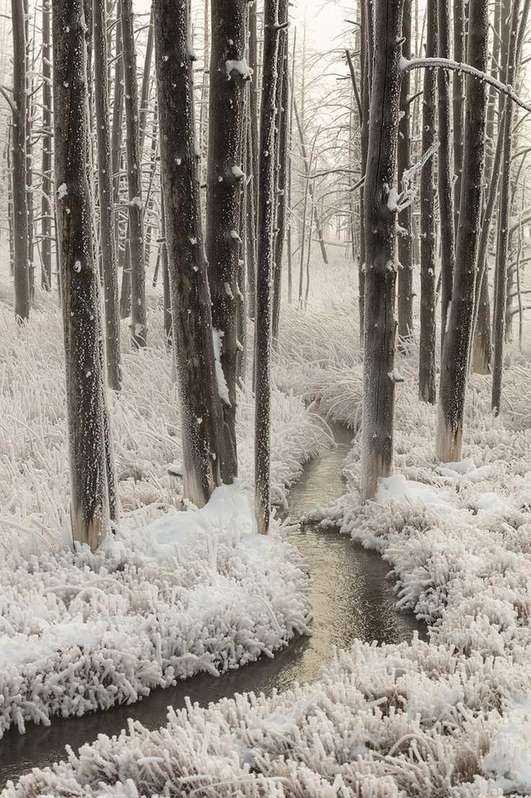
The question people ask most — when does ragweed season end? — has a satisfyingly clear answer: at the first frost. Ragweed plants are not built to survive freezing temperatures. A hard frost kills the plants and stops pollen production for the year, which is why the end of the season can feel abrupt compared with its gradual start.
Timing depends heavily on where you live. In the Northeast and upper Midwest, the first frost often arrives in October, bringing the season to a close. Further south, frost comes later — sometimes not until November — so ragweed season runs noticeably longer, with pollen lingering through October and, in mild years, beyond. Even after the plants are done, a few leftover grains can circulate on dry, windy days, but the daily pressure drops off sharply once production stops.
Here is the season at a glance, month by month:
| Month | Northeast | Midwest | South |
|---|---|---|---|
| Late July | Not yet started in most areas | Not yet started in most areas | First plants begin releasing pollen |
| August | Season starts; levels build steadily | Season starts; levels build steadily | Season underway and climbing |
| September | Peak, usually mid-month | Peak, usually mid-month | Peak, usually mid-month |
| October | Winds down; ends with first frost | Winds down; ends with first frost | Still active, especially early in the month |
| November | Over in most areas | Over in most areas | Ends as first frost arrives |
Why some years feel worse
No two ragweed seasons are identical, and a year that felt mild offers no guarantee about the next one. Several forces shape how rough a given season feels.
The first is the growing season that came before it. A spring and summer with generous rainfall can produce taller, healthier ragweed plants — and bigger, healthier plants release more pollen. The second is fall weather. A warm autumn delays the first frost, stretching the tail of the season by days or even weeks, while an early cold snap can cut it short. Wind patterns matter too: a season with frequent dry, breezy days will spread pollen further and keep it in the air longer than a calm, rainy one.
There is also a local factor people often miss. Ragweed thrives in disturbed ground — vacant lots, roadsides, construction sites, field edges, and riverbanks. Development, land clearing, or a neglected lot near your home can change your immediate exposure even when the regional season looks average.
Where it hits hardest
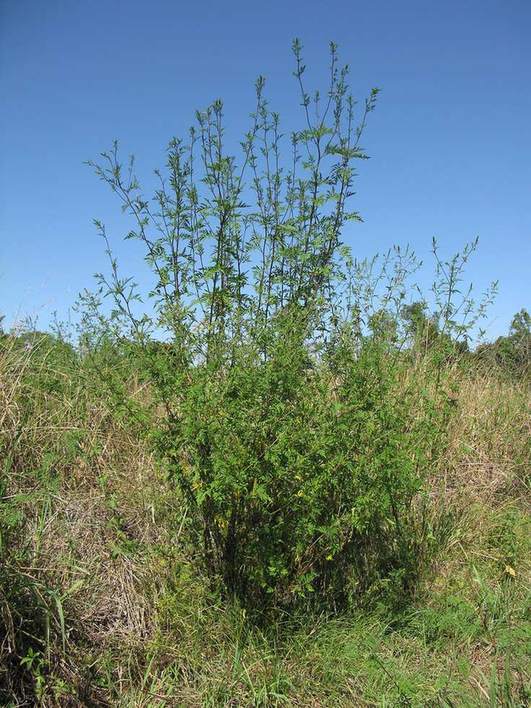
Ragweed grows across most of the United States, but it is especially abundant in the East and the central plains. The Midwest is often considered the heart of ragweed country, thanks to its mix of farmland, open ground, and warm late summers. The Northeast sees a strong, concentrated season, while the South trades some intensity for length, with a season that starts earlier and ends later.
The central plains deserve special mention. Pollen Atlas data shows cities like Tulsa regularly top the fall rankings when ragweed peaks, and the same pattern shows up across the region. If you are planning around the season there, it is worth watching the daily numbers for Tulsa and Oklahoma City in Oklahoma, Wichita in Kansas, and Kansas City in Missouri. Further southeast, Memphis is a good example of a southern city where the season can stretch well into the fall.
How to track it in your city
A national calendar tells you the shape of the season, but your symptoms respond to what is in the air on your street, today. That is why daily, local numbers matter more than general dates once the season begins.
Pollen Atlas publishes a daily Weeds Index for cities across the country, on the same 0 to 100 scale described above: Low (0–33), Moderate (34–66), and High (67–100). A quick check in the morning tells you which band your city is in before you commit to a long run, a day of yard work, or an outdoor event. The daily city rankings add useful context, showing how your city compares nationally on a given day and whether a rough day is a local spike or part of a wider regional peak. Pollen Atlas data shows those rankings move quickly during September, so a city that looks quiet one week can sit near the top the next.
If fall symptoms hit you hard year after year, it may also be worth talking to an allergist about what is driving them — you can find an allergist near you through the Pollen Atlas directory. This article is general information only and is not medical advice.
Check your city before the peak arrives
Ragweed season follows a reliable rhythm — an August start, a mid-September peak, and an end that arrives with the first frost — but the details are always local. Your city's start date, peak days, and first frost will not match the national averages exactly, and the only way to know where you stand is to look at your own numbers. Head to Pollen Atlas, pull up your city, and check today's Weeds Index and forecast before the peak weeks arrive. A season that lasts this long is much easier to handle when none of its worst days catch you by surprise.