
Dust Mite Allergy: The Allergy That Never Has a Season
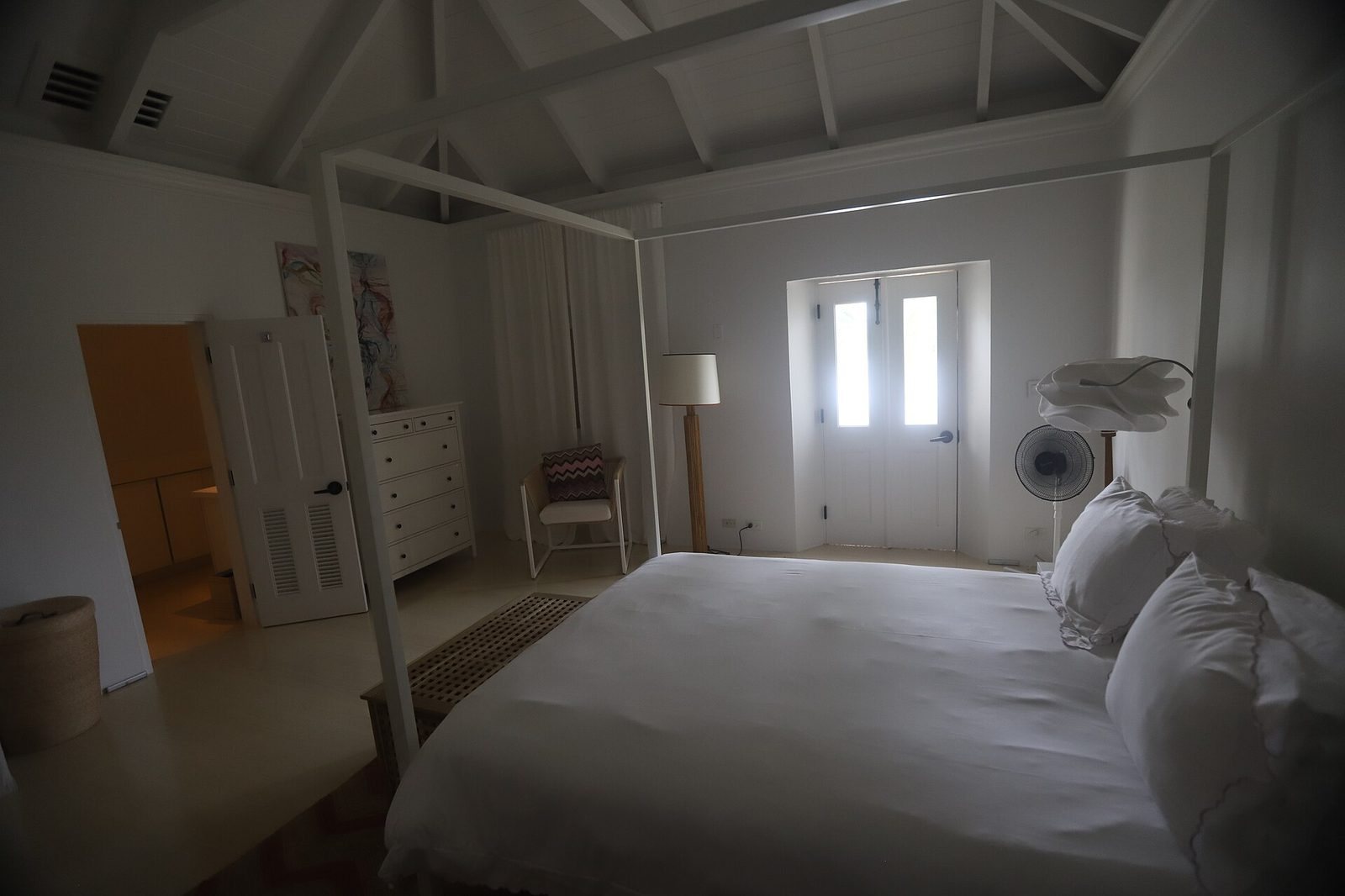
Dust mite allergy is the exception to almost everything else on this site. Pollen arrives in seasons, mold follows wet weather, but dust mite allergy can flare in January or July, in a blizzard or a heatwave, because its source lives indoors with you all year. The allergen comes from microscopic animals that feed on shed human skin and thrive in warm, humid bedding, carpets, and upholstered furniture. If symptoms are worst in bed, on waking, or after time spent in carpeted rooms, dust mite allergy is one of the patterns clinicians most often investigate — and understanding the mite's habitat explains why.
Key takeaways
- Dust mite allergy has no season: the allergen comes from microscopic mites that live year-round in bedding, carpets, and upholstered furniture.
- The allergen is mainly proteins in mite droppings and fragments of dead mites, and the highest concentrations are usually in bedding, inches from your nose and mouth all night.
- Humidity is the controlling variable — the EPA's indoor guidance generally recommends keeping indoor humidity in the 30–50% range to discourage mites and mold alike.
- Pollen Atlas data shows the outdoor picture is only half the story: when outdoor counts read low for weeks and symptoms persist, clinicians often look indoors next.
What Dust Mite Allergy Is a Reaction To
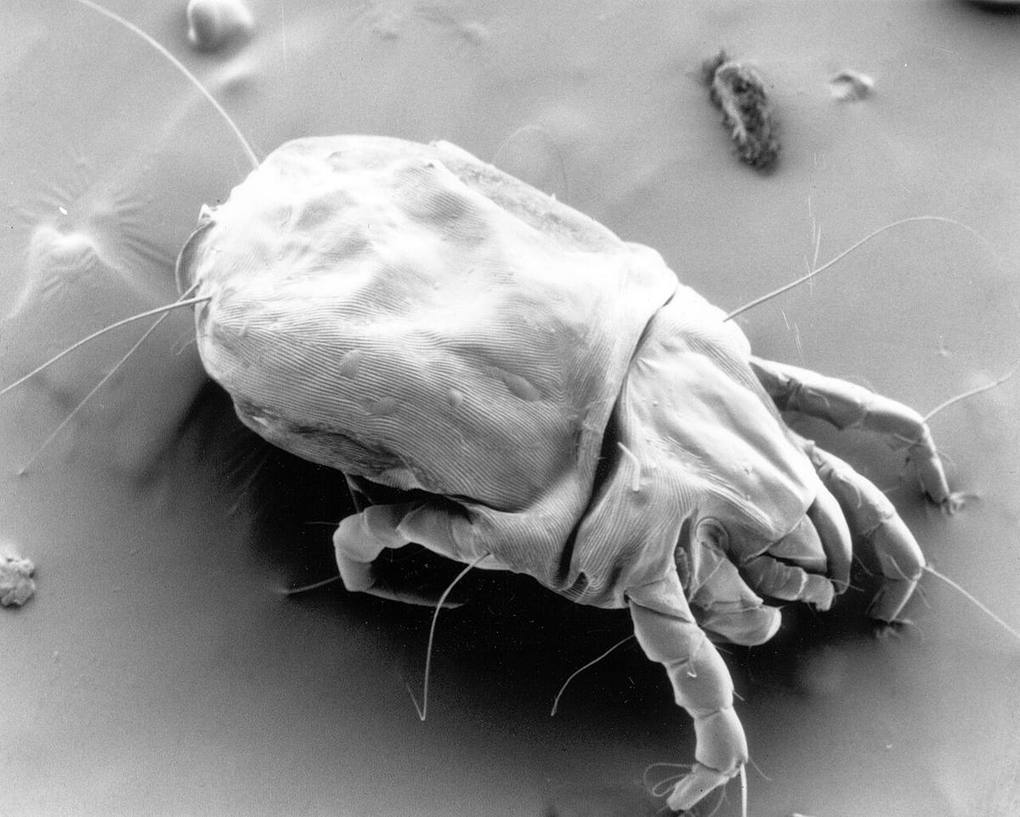
House dust mites are eight-legged relatives of spiders, far too small to see — roughly a quarter to a third of a millimetre long. The two species most discussed in North American homes are Dermatophagoides farinae and Dermatophagoides pteronyssinus. They do not bite, sting, or live on people. They live in the fabric environment — mattresses, pillows, duvets, carpets, sofas — eating the skin flakes humans shed continuously. The NIEHS dust mite fact sheet lists the same habitats: mattresses, bedding, upholstered furniture, carpets, and curtains.
The allergen: droppings and mite fragments
The allergen is not the mite itself. It is mainly proteins in the mite's droppings and in fragments of dead mites, which dry, break up, and become part of household dust. Those particles are relatively heavy compared with something like cat dander, so they tend to become airborne when dust is disturbed — making the bed, vacuuming, tossing on a sofa — and then settle again fairly quickly.
That settling behaviour explains the classic exposure pattern: the highest concentrations are usually in bedding, inches from your nose and mouth for seven or eight hours a night. A dust mite allergy is therefore often, in practice, a bedroom allergy.
How researchers identified the mite in the 1960s
Researchers only pinned this down in the 1960s, when Dutch scientist Reindert Voorhorst and colleagues showed that mites in house dust were the major source of the house-dust allergen that doctors had suspected for decades. Before that work, "house dust" was a real clinical category with an unknown cause; after it, the tiny animal in the mattress had a name.
The Conditions Behind Dust Mite Allergy
Humidity is the controlling variable
Mites are essentially bags of water management. They do not drink; they absorb moisture from the air, which makes humidity the controlling variable in their lives. The American Academy of Allergy, Asthma & Immunology (AAAAI) and the U.S. Environmental Protection Agency, in its EPA Mold Course chapter on humidity, both describe the same broad picture in their indoor-air materials:
- Humidity is the main lever. Mites thrive when indoor relative humidity sits high — commonly described around 70–80% as ideal for mites — and populations struggle and decline when humidity is kept below roughly 50%. The EPA's indoor humidity guidance generally recommends keeping indoor levels in the 30–50% range to discourage mites and mold alike.
- Warmth helps. Room temperatures in the range people find comfortable — roughly 68–77°F (20–25°C) — suit mites well, one reason heated, occupied bedrooms are prime habitat.
- Food is never scarce. A household sheds skin flakes constantly, and bedding and carpets collect them whether a home looks spotless or not. Tidiness changes the amount of dust; habitat and humidity decide whether mites flourish in it.
- Altitude and dry climates suppress them. Mites are scarce in high, dry mountain air and in arid homes where indoor humidity stays low without effort — a natural experiment visible in how much less prominent dust mite allergy is in dry regions than in humid coastal ones.
| Factor | What suits mites | What discourages them |
|---|---|---|
| Indoor humidity | High humidity, around 70–80% described as ideal for mites | Humidity kept below roughly 50% |
| Temperature | Comfortable room temperatures, roughly 68–77°F (20–25°C) | — |
| Food | Shed human skin flakes in bedding and carpets | Never scarce in an occupied home |
| Habitat | Mattresses, pillows, duvets, carpets, sofas | High, dry, or arid homes where indoor humidity stays low |
Geography still matters indoors, which is why a humid-climate city page tells part of the story even for an indoor allergen. Homes in Houston's Gulf humidity, Miami's year-round moisture, and New Orleans' damp air fight higher baseline humidity than homes in a dry continental city, while Seattle's cool, wet winters keep indoor moisture up even though its summers are mild. The pollen heatmap shows the outdoor half of those cities' allergy picture; dust mites are the indoor half that no outdoor count captures.
Why Dust Mite Allergy Feels Seasonal Anyway
If mites live indoors year-round, why do so many people feel worse in winter? Several patterns converge. Heating systems dry and circulate air — but they also stir settled dust. Windows stay closed, so indoor allergens are not diluted by outdoor air. People spend more hours indoors, and more of them in bed under heavy bedding during cold months. In humid climates, summer air conditioning can push indoor humidity either way depending on how a system is set, so some households peak in summer instead.
The autumn hand-off to indoor allergens
There is also a hand-off effect between seasons. Autumn stacks outdoor mold allergies in fall on top of rising indoor exposure as windows close, and winter removes outdoor pollen almost entirely in cold regions — leaving indoor triggers like mites and pet dander allergy as the main remaining explanation for symptoms that continue. When pollen counts read low for weeks and symptoms persist, clinicians often look indoors next. That is general information about how patterns are read, not a diagnosis of any individual case.
General Information About Reducing Exposure
Published guidance from bodies such as the EPA and AAAAI focuses on the habitat, not on the person, and it is presented here as general environmental information rather than medical advice:
- Encase the bed. Mite-proof encasings for mattresses and pillows put a barrier between sleeper and the densest mite habitat.
- Wash bedding hot. Guidance commonly cites washing bedding in hot water — around 130°F (54°C) — as the temperature that kills mites, with regular washing to remove allergen build-up.
- Lower the humidity. A dehumidifier or well-managed air conditioning that holds indoor humidity below about 50% makes the habitat progressively less hospitable.
- Reduce fabric reservoirs in the bedroom. Carpets, heavy curtains, and upholstered furniture in the sleeping room hold more dust and mites than hard surfaces.
None of these steps addresses outdoor pollen, and none replaces individual medical guidance. If year-round or bedroom-centred symptoms are your pattern, testing by an allergist can confirm whether dust mites are actually the trigger before you rebuild a bedroom around them. You can find an allergist near you in the Pollen Atlas directory.
Frequently Asked Questions
What is a dust mite allergy?
A dust mite allergy is a reaction to proteins in the droppings and body fragments of house dust mites, microscopic animals that live in bedding, carpets, and upholstered furniture. Because mites live indoors all year, symptoms can appear in any month.
Do dust mites bite or live on people?
No. House dust mites do not bite, sting, or live on people — they live in fabrics and feed on shed human skin flakes.
What humidity level discourages dust mites?
Keeping indoor humidity below roughly 50% makes the habitat progressively less hospitable to mites. The EPA's indoor guidance generally recommends the 30–50% range to discourage mites and mold alike.
Why are dust mite symptoms often worse in bed or on waking?
Bedding usually holds the highest concentrations of mite allergen, and it sits inches from your nose and mouth for seven or eight hours a night. That is why dust mite allergy is often, in practice, a bedroom allergy.
The Bottom Line on Dust Mite Allergy
Dust mite allergy is what happens when the allergen shares your address. No season ends it, no forecast announces it, and no frost clears it — humidity, warmth, and bedding decide it, room by room. Read it alongside the outdoor picture rather than instead of it: check your city's free pollen count and forecast at PollenAtlas.com, and when the outdoor numbers are low but the mornings are still rough, the bedroom is the next place to look.