
Ash Pollen: The Quiet Workhorse of Spring Tree Season
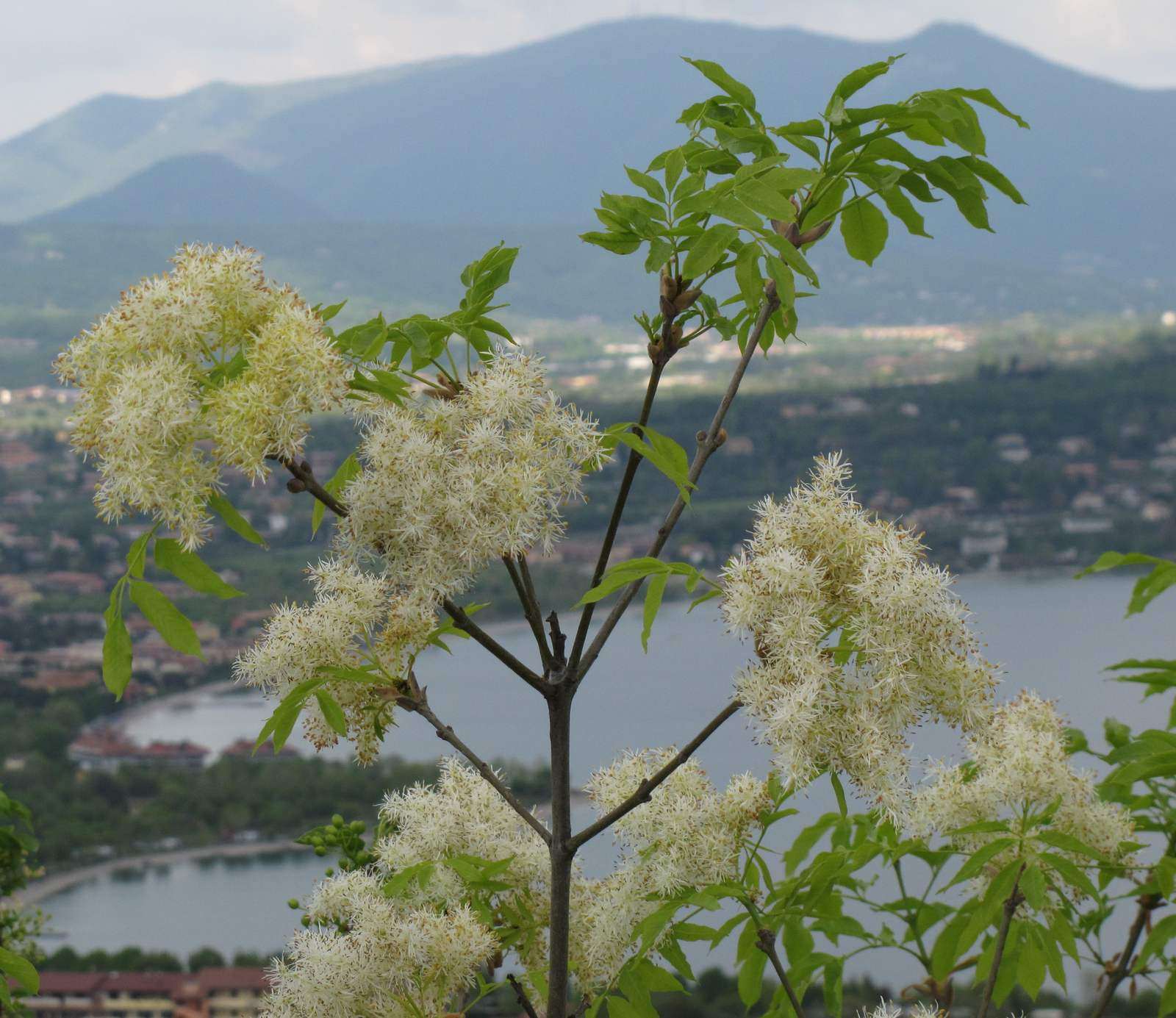
It never gets the headlines that oak or ragweed get, yet ash pollen is one of the most consistently reported tree pollens in American spring counts. Ash pollen comes from Fraxinus species — green ash, white ash, and their relatives — planted by the millions along streets, in parks, and across farm shelterbelts, and flowering in the weeks before their leaves open. Because ash is so widely planted and so often overlooked, its season surprises people every year: the symptoms arrive, the famous trees get the blame, and the quiet workhorse overhead goes unmentioned.
Key takeaways
- Ash pollen is among the most common spring tree pollens in the United States, produced by green, white, and other Fraxinus species planted widely as street and shade trees.
- The American College of Allergy, Asthma & Immunology lists ash among the tree pollens that commonly trigger spring hay fever symptoms.
- Ash belongs to the olive family, Oleaceae, alongside olive, privet, and lilac — and cross-reactivity within the family is documented in the allergy literature, as general science.
- Pollen Atlas data shows ash contributing to spring Tree Index readings across the Midwest and Northeast, where ash plantings were heaviest.
What ash pollen comes from
Ashes are medium-to-large deciduous trees valued for fast growth, tidy form, and tolerance of city conditions — exactly the traits that made green ash one of the most planted street trees of the late twentieth century. Whole subdivisions and boulevards were planted with them, which means whole neighbourhoods can share one pollen calendar.
Flowers before leaves
Ash trees flower in early to mid-spring, before or just as the leaves emerge. Most ashes are dioecious, with male and female flowers on separate trees: male trees carry dense clusters of small flowers that release pollen to the wind, while female trees go on to produce the familiar winged seeds. Wind does the carrying, and ash grains are well suited to it — modest in size, produced in volume, and released over a flowering window of roughly a few weeks per tree, staggered across species and sites so a city's ash season runs longer than any single tree's.
The olive family connection
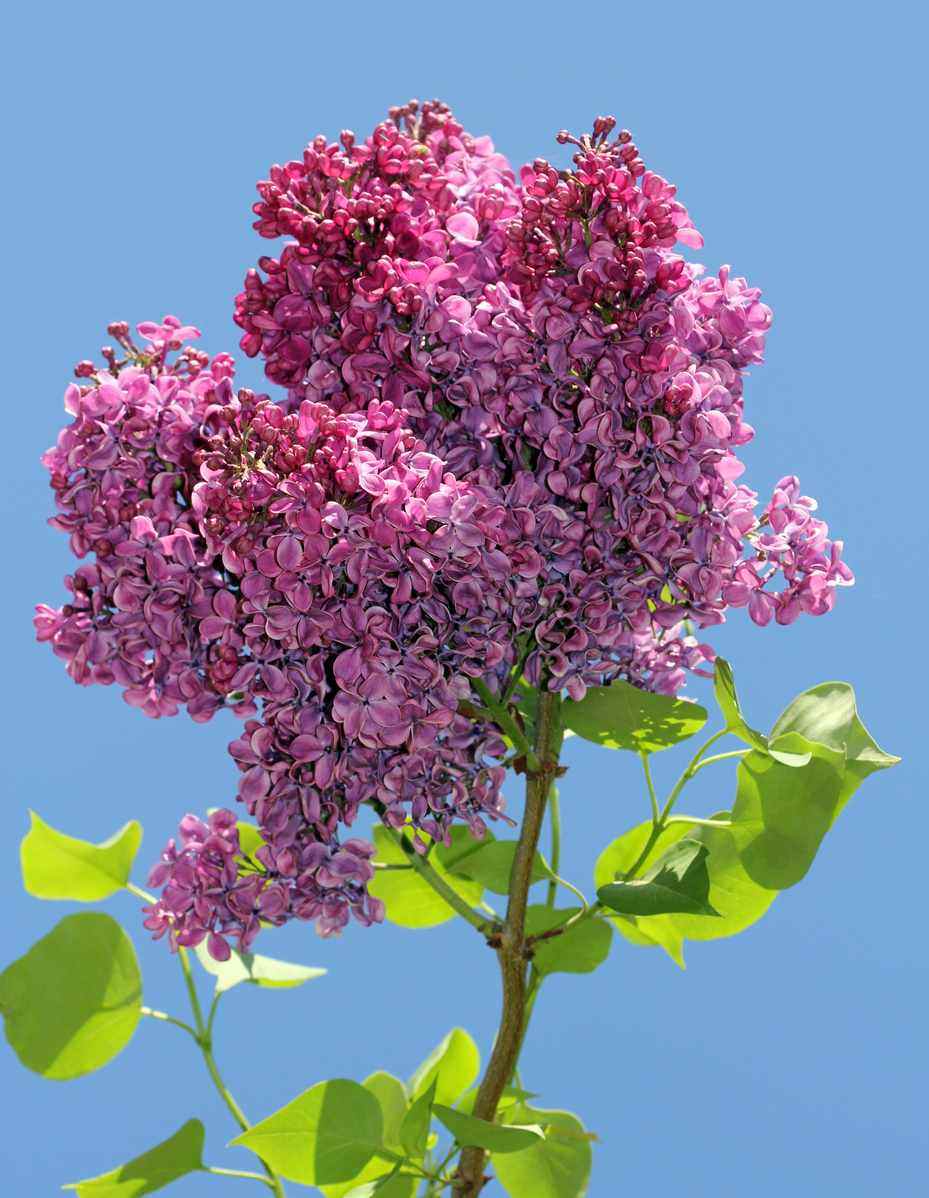
Ash sits in Oleaceae, the olive family, with olive, privet, forsythia, and lilac as relatives. Allergists have long documented cross-reactivity within this family: the major allergens of ash and olive pollen share structural similarities, so the immune system can respond to them in related ways. Our guide to olive pollen covers the family's better-known Mediterranean member. For readers, the practical meaning is modest but real — spring patterns in ash country and olive country can rhyme, and a testing panel that covers one family member often sheds light on the others. This is general information about allergen science; only testing can describe an individual's sensitivities.
When ash pollen season runs
Ash is a spring pollinator with a latitude slide similar to other northern trees. In the South, flowering can begin in March. Across the Midwest and Mid-Atlantic, April is the centre of the season, and in the northern tier it can run into May. The American Academy of Allergy, Asthma & Immunology's National Allergy Bureau stations report ash-type pollen through this window each year.
| Region | Typical ash pollen window | Common local species | Season character |
|---|---|---|---|
| Southeast and Gulf fringe | March into April | Green ash, Carolina ash | Early, overlaps oak heavily |
| Midwest and Great Lakes | April into early May | Green ash, white ash | The historic heartland of ash planting |
| Mid-Atlantic and Northeast | April into May | White ash, green ash | Forest ash adds to street-tree counts |
| Northern tier | Late April into May | White ash, black ash | Shortest, latest window |
The Midwest pattern shows clearly in city data. On Chicago's daily pollen page, ash appears within the spring tree blend that lifts the Tree Index through April, and Minneapolis pollen readings show the same contribution a few weeks later as the season moves north. On the East Coast, Philadelphia's pollen page reflects a mix of planted street ash and the white ash of surrounding woodland.
The emerald ash borer is rewriting the canopy
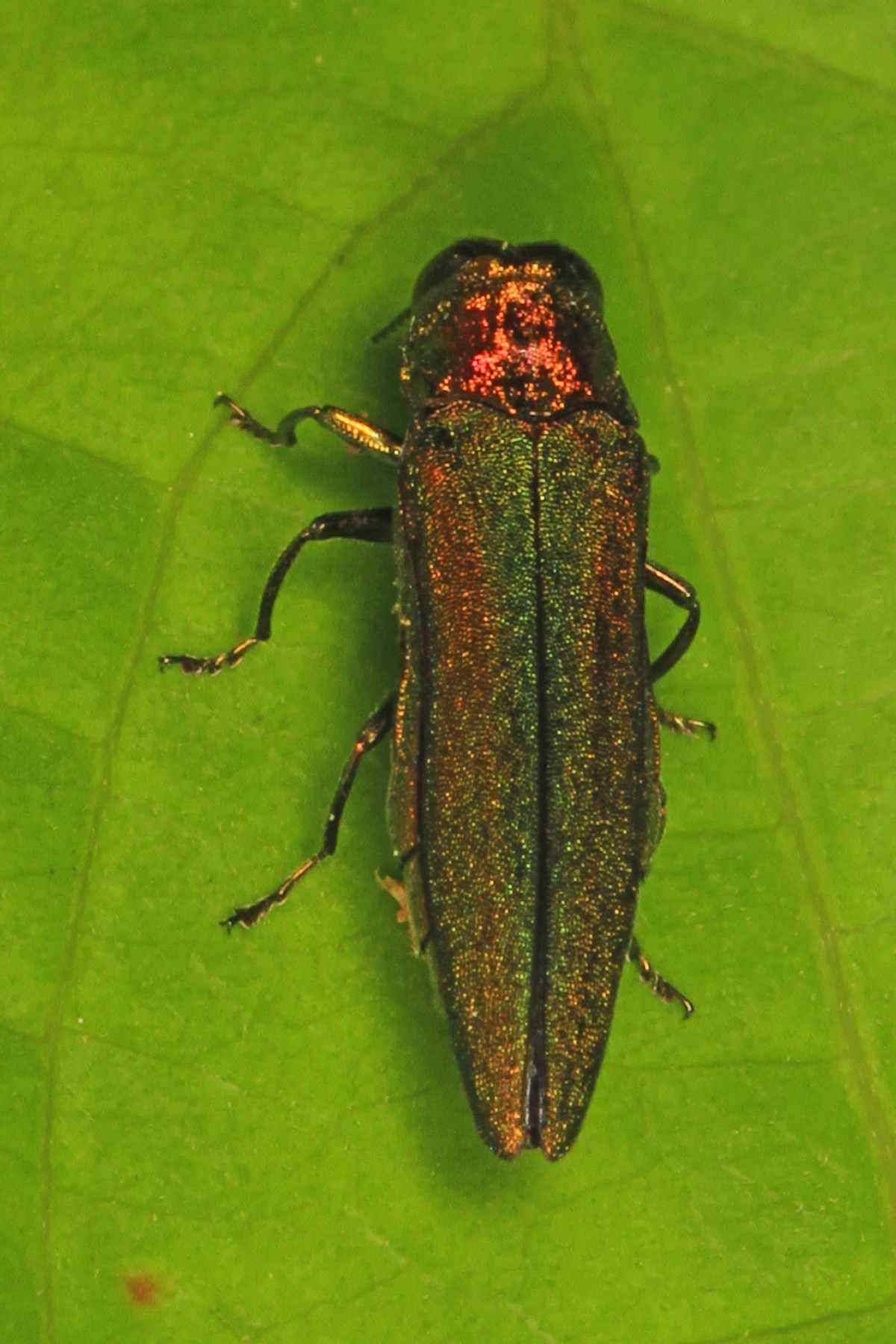
No account of ash is complete without the beetle. The emerald ash borer, an invasive insect first detected in North America near Detroit in 2002, has killed ash trees on a vast scale — the USDA Forest Service describes losses in the hundreds of millions of trees across the United States and Canada, and the insect continues to spread. Cities that once planted ash by the thousand have removed them by the thousand, replacing them with maples, oaks, elms, and a deliberately wider mix of species.
What the losses mean for pollen
For pollen, the effect is gradual and local. A street that loses its ashes loses that slice of its spring count, while replacement species shift the blend toward their own flowering weeks. Over a generation, the borer is changing what "spring tree season" is made of in city after city — one reason historical calendars describe the past better than the future, and daily data matters more than memory. The fuller sequence is mapped in our tree pollen season guide.
Reading ash pollen on Pollen Atlas
On Pollen Atlas, ash is tracked within the daily Tree Index on every city page — scored 0 to 100, Low from 0 to 33, Moderate from 34 to 66, and High from 67 to 100 — with per-plant detail that shows when ash itself is a leading contributor. The national city rankings put a city's ash weeks in context: when the Midwest lights up in April, ash is usually part of the story. The American College of Allergy, Asthma & Immunology likewise lists ash among the common spring tree pollens in its public allergy resources, which matches what the counts show.
If your hardest spring weeks line up with ash flowering year after year and you want that confirmed, an allergist can test for specific tree pollens — search the Pollen Atlas Find an Allergist directory by city and specialty. This article is general information about a pollen pattern, not medical advice.
Frequently Asked Questions
When do ash trees release pollen?
Ash trees release pollen in spring, before or as their leaves emerge. The window opens in March in the South, centres on April across the Midwest and Mid-Atlantic, and can run into May in the northern states.
Is ash pollen related to olive pollen?
Yes — ash and olive are both members of the olive family, Oleaceae, and their pollens share structurally similar allergens. Cross-reactivity within the family is documented in the allergy literature, which is general science and not a description of any individual's sensitivities.
Why are so many ash trees being removed?
Most removals trace back to the emerald ash borer, an invasive beetle first detected near Detroit in 2002. USDA Forest Service material describes losses in the hundreds of millions of ash trees, and cities continue to remove dead and infested trees.
How can I tell if ash is driving my city's count?
Pollen Atlas city pages publish a daily Tree Index with per-plant detail, which shows when ash itself is a leading contributor. Comparing those readings with the April flowering window is the clearest public signal.
Conclusion
Ash pollen rarely makes headlines, but few spring pollens are more dependable: a widely planted tree, a consistent April window, and a family connection to olive that allergists have documented for decades. As the borer reshapes city canopies, ash pollen will slowly give ground to other species — and daily counts will show that change first. Know before you head out — free pollen counts and forecasts, worldwide: PollenAtlas.com
Sources
- American College of Allergy, Asthma & Immunology (ACAAI), public resources on spring tree pollens, including ash.
- American Academy of Allergy, Asthma & Immunology (AAAAI), National Allergy Bureau seasonal reporting on ash-type pollen.
- USDA Forest Service, emerald ash borer research and impact material (detection near Detroit in 2002; losses described in the hundreds of millions of trees).