
Texas Allergy Season: A Month-by-Month Pollen Calendar
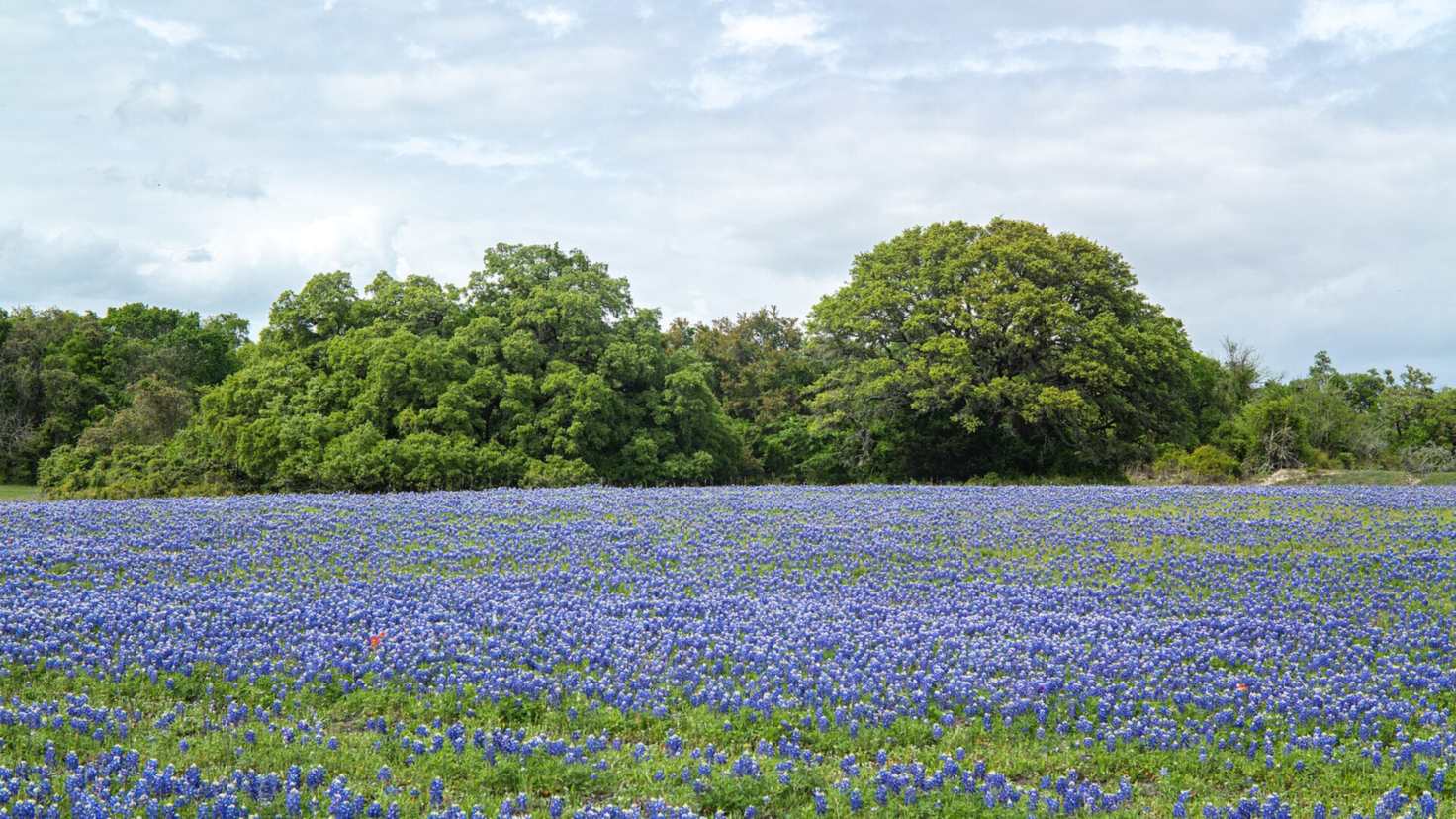
Ask a Texan when allergy season ends and you will probably get a laugh, because Texas allergy season barely pauses. Most states get one main pollen season in spring and a second act in fall. Texas runs four seasons back to back: mountain cedar in winter, oak and other trees in spring, grasses through summer, and ragweed from late summer to the first frost. In a mild year, something is releasing pollen in Texas in almost every month.
Key takeaways
- Texas allergy season runs four seasons back to back: mountain cedar in winter, oak and other trees in spring, grasses through summer, and ragweed from late summer to the first frost.
- Cedar season in Texas runs December to March, with its peak usually in December, January and February, driven by Ashe juniper in the Hill Country.
- Research by Ziska and colleagues (2019) found pollen seasons generally growing longer and more intense across the Northern Hemisphere.
- On Pollen Atlas, Texas seasons are tracked through daily indexes scored 0 to 100 — Low 0 to 33, Moderate 34 to 66, and High 67 to 100.
Why Texas allergy season runs almost all year
Three things make Texas unusual. The first is latitude: much of the state has a long, warm growing season, so plants pollinate earlier in spring and keep going later into fall than they do further north. The second is variety. Texas is large enough to hold several climates at once — humid Gulf Coast, central Hill Country, northern plains, and high desert in the west — and each grows a different mix of trees, grasses, and weeds. The third is overlap. Seasons do not wait politely for the previous one to finish: cedar can still be releasing pollen as the first spring trees start, and ragweed begins while late grasses are still active.
Texas cities in the Allergy Capitals reporting
Texas cities regularly appear in the Asthma and Allergy Foundation of America's annual Allergy Capitals reporting, which ranks large cities on seasonal pollen alongside other factors. The details differ by city, but the underlying reason is the same: in Texas, the calendar itself is the challenge. Research by Ziska and colleagues (2019) on temperature-related changes in airborne allergenic pollen found pollen seasons generally growing longer and more intense across the Northern Hemisphere, and a state that already starts early and ends late has the most calendar to stretch.
Reading Texas seasons on Pollen Atlas
On Pollen Atlas, these seasons are tracked through daily indexes scored from 0 to 100 — Low from 0 to 33, Moderate from 34 to 66, and High from 67 to 100. Cedar and oak register in the Tree Index, ragweed in the Weeds Index, and grasses in their own daily readings alongside the overall Texas pollen count for your city.
Winter: cedar season in Texas, December to March
The season that surprises newcomers most is the winter one. Cedar season in Texas runs from December to March, with its peak usually in December, January, and February. The culprit is Ashe juniper, widely called mountain cedar, which covers large areas of the Hill Country in Central Texas. Texas A&M AgriLife Extension and the Texas A&M Forest Service have long reported on mountain cedar pollination in this region, including the visible clouds of pollen that cold fronts can shake loose from the trees on dry, windy winter days.
How cold fronts spread cedar pollen
When a front pushes through, cedar pollen can travel well beyond the Hill Country itself, so a person's symptoms on a given winter day may reflect trees many miles away. This is the season behind the wave of winter misery Texans call cedar fever — covered in depth in our guide to cedar fever season and symptoms. Winter is when Austin, Texas and San Antonio, Texas feel the state calendar most sharply, because both sit at the edge of dense juniper country. North Texas gets cedar pollen too, but usually at lower intensity, and the season there tends to blend more quickly into early spring trees.
Spring and summer: oak trees, then grasses
As cedar fades, the tree season takes over. From February through May, oak is the headline pollen across much of Texas, joined by ash, elm, pecan, and other wind-pollinated trees depending on the region. Oak season builds through March and April in most years, coating cars and sidewalks in yellow-green dust and pushing the Tree Index into its highest spring bands. The exact start shifts with winter warmth: a mild February can pull the whole tree calendar forward by weeks.
Grasses through the Texas summer
Grass follows, roughly from May through August. Bermuda grass is a major presence across Texas lawns, pastures, and roadsides, and it pollinates through the heat of summer rather than giving residents a break between tree and ragweed seasons. Grass pollen tends to run highest on warm, dry, breezy days, and because so much of it comes from maintained ground inside cities themselves, it is a genuinely local exposure — the park, the yard, and the roadside median all contribute.
This spring-to-summer relay is why a Texas pollen count can stay elevated for months without any single dramatic peak. The baton passes from cedar to oak to grass, and a person who reacts to more than one of them may feel as though one long season started in December and never really stopped.
Fall: ragweed season in Texas, August to the first frost

Ragweed season in Texas begins in August and runs until the first frost, following the same national rhythm described in our ragweed season guide — but with a Texas tail. Ragweed peaks nationally around mid-September, and Texas cities peak in that window too. What differs is the ending. In the northern parts of the state, frost can arrive in late fall and close the season. Further south, warm autumns can stretch ragweed into November, and in the mildest areas the season fades rather than ending on one clear date.
Where Texas ragweed grows
Common ragweed and giant ragweed both grow across Texas, favouring disturbed ground along roadsides, field edges, and construction sites — ground that fast-growing Texas metros produce in abundance. During the peak weeks, ragweed registers in the Weeds Index, and cities in the northern and central parts of the state tend to see the strongest readings, while the coast and the far south trade some intensity for extra length.
The Texas allergy season calendar, month by month
Here is the state calendar at a glance. Treat it as a planning map, not a promise: a warm winter or a late frost can shift any row by several weeks in a given year.
| Month | Main pollen in Texas | Typical pattern |
|---|---|---|
| December | Mountain cedar | Cedar season begins; peak builds in Central Texas |
| January | Mountain cedar | Cedar peak across the Hill Country and nearby cities |
| February | Cedar, early trees | Cedar continues; oak and other trees start in mild spells |
| March | Oak and other trees | Tree season builds toward its spring peak |
| April | Oak and other trees | Spring tree peak in most regions |
| May | Trees fading, grasses | Grass season begins as tree pollen winds down |
| June | Grasses | Steady grass pollen through early summer |
| July | Grasses | Grass continues; ragweed plants maturing |
| August | Grasses, first ragweed | Ragweed season starts late in the month |
| September | Ragweed | Ragweed peak, usually mid-month |
| October | Ragweed | Ragweed continues; ends with frost in the north |
| November | Late ragweed in the south | Season fades in mild areas; frost ends it elsewhere |
One state, several different seasons

Dallas, Texas and Fort Worth, Texas experience a North Texas version: a shorter cedar presence, a strong oak spring, hot grass summers, and a ragweed season that frost usually ends on schedule. Houston, Texas deals with Gulf humidity and a long growing season, so its tree and ragweed seasons can start earlier and linger longer, and damp conditions add mold to the picture in a way drier regions feel less. El Paso, Texas, in the western desert, runs a different mix again: less cedar and oak pressure, more windblown dust and desert plants, and sharp day-to-day swings when winds pick up. The practical point is that "Texas" is too big to be a single forecast — your city's readings are the ones that matter.
Tracking Texas allergy season in your city
Use the calendar to know what is coming, and daily numbers to know what is here. The daily city rankings show how Texas cities compare with the rest of the country on a given day, which is especially useful during cedar season, when Central Texas can climb the national rankings in midwinter while most of the country is quiet. A morning check of your city's Tree Index in winter and spring, and its Weeds Index in fall, tells you which band — Low, Moderate, or High — you are planning around.
If symptoms disrupt your year across several of these seasons, it may be worth talking to an allergist about what is driving them — you can find an allergist near you through the Pollen Atlas directory. This article is general information only and is not medical advice.
Frequently Asked Questions
When is Texas allergy season?
Texas allergy season runs almost all year, with four seasons back to back. Mountain cedar runs December to March, oak and other trees follow in spring, grasses run through summer, and ragweed runs from August to the first frost.
What is cedar season in Texas?
Cedar season in Texas is the winter pollen season driven by Ashe juniper, widely called mountain cedar, in the Hill Country. It runs December to March and usually peaks in December, January and February.
When does ragweed season start in Texas?
Ragweed season in Texas begins in August and runs until the first frost. Texas cities usually peak around mid-September, with warm southern autumns sometimes stretching the season into November.
How can I check the pollen count in my Texas city?
You can check the Texas pollen count for your city on PollenAtlas.com, through daily Tree, Grass and Weeds indexes scored 0 to 100. The daily city rankings also show how Texas cities compare nationally on a given day.
Texas allergy season: plan by the calendar, check by the day
Texas allergy season rewards people who think in two timeframes at once. The calendar tells you the shape of your year — cedar from December to March, oak through spring, grass through summer, and ragweed from August to the first frost — and the daily count tells you where today actually falls within that shape. Keep both in view and the Texas allergy season stops feeling endless and starts feeling predictable. PollenAtlas.com offers free pollen counts and forecasts for your city and for locations worldwide, so you can check before the next front, bloom, or peak arrives.