
Worst Cities for Ragweed: Inside the Ragweed Belt
Every fall, the same regions ask the same question: are these really the worst cities for ragweed, or does it just feel that way? For many people in the Midwest, the central plains, and parts of the South, it does not just feel that way. Geography, land use, and a long growing season combine to make some cities reliably harder than others once ragweed starts releasing pollen in August.
Key takeaways
- The worst cities for ragweed cluster in the Midwest, the central plains and parts of the South — the ragweed belt running through the East and central plains, with the Midwest at its heart.
- Pollen Atlas data shows Tulsa regularly topping fall rankings when ragweed peaks, with Wichita and Kansas City in the same plains pattern.
- Botanical references commonly report that a single ragweed plant can produce up to a billion grains of pollen in one season, and that those grains can travel hundreds of miles on the wind.
- Ragweed season starts in August, usually peaks in mid-September, and ends abruptly at the first frost.
Why there is no single official list of the worst cities for ragweed
Most well-known allergy rankings are broader than one plant. The Asthma and Allergy Foundation of America (AAFA), in its annual Allergy Capitals reporting, ranks large cities on a mix of spring and fall pollen, medicine use, and access to allergy specialists. That is useful context, but it is not a ragweed-only ranking, and AAFA does not publish a standalone list devoted to this one weed.
That gap matters, because ragweed behaves differently from tree or grass pollen. It arrives late, in August rather than spring. It peaks sharply, usually in mid-September. And it ends abruptly, at the first frost, when freezing temperatures kill the plants and stop production for the year. A city can have a manageable spring and still endure a brutal six to ten weeks of ragweed.
A ragweed-specific view also changes which cities stand out. Rankings built on total annual pollen can bury a short, intense fall season under months of tree pollen data. Looking at ragweed on its own — through the Weeds Index described below, and through fall rankings during the peak weeks — brings a different map into focus: a ragweed belt running through the East and the central plains, with the Midwest at its heart.
The ragweed belt: where the worst cities for ragweed cluster
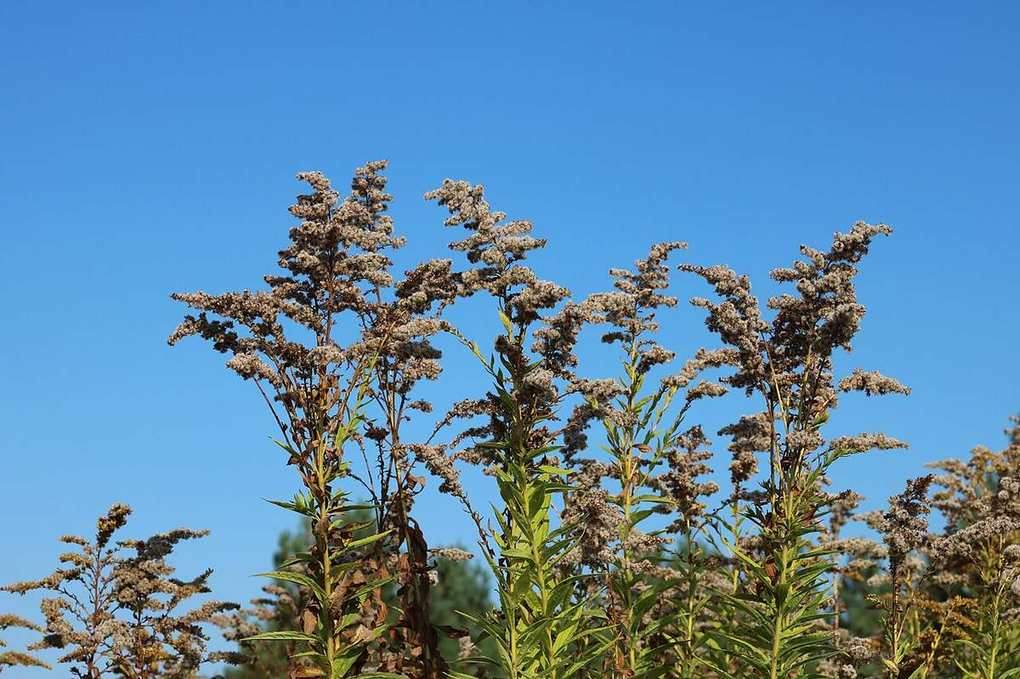
Ragweed grows across most of the United States, but it is especially abundant in the East and the central plains. It thrives in disturbed ground: vacant lots, roadsides, construction sites, field edges, and riverbanks. Regions with plenty of farmland, open ground, and warm late summers give it exactly the conditions it needs, and cities surrounded by that landscape draw pollen from well beyond their own streets.
Why ragweed pollen travels so far
Botanical references commonly report that a single ragweed plant can produce up to a billion grains of pollen in one season, and that those small, light grains can travel hundreds of miles on the wind. That combination explains why local plant counts are only part of the story. A city downwind of ragweed-heavy farmland can have a rough day even if there is little ragweed inside the city itself, and a whole region can climb the rankings together when warm, dry, windy weather arrives during the peak.
The three zones of the ragweed belt
Three broad zones make up the belt. The Midwest is often considered the heart of ragweed country. The Northeast sees a strong, concentrated season, compressed between an August start and an October frost. The South trades some of that intensity for length, starting earlier and ending later, so the total number of difficult weeks can be just as high.
| Zone | Example cities in this guide | Season pattern |
|---|---|---|
| Midwest and central plains | Tulsa, Wichita and Kansas City | The heart of ragweed country; a long, high peak, with first frost often holding off until October |
| South | Memphis and Louisville | Earlier start, sometimes late July, and a later end, sometimes November in the South |
| Northeast | Cities across the Northeast | A shorter but concentrated season, compressed between an August start and an October frost |
The Midwest and central plains: the heart of ragweed country
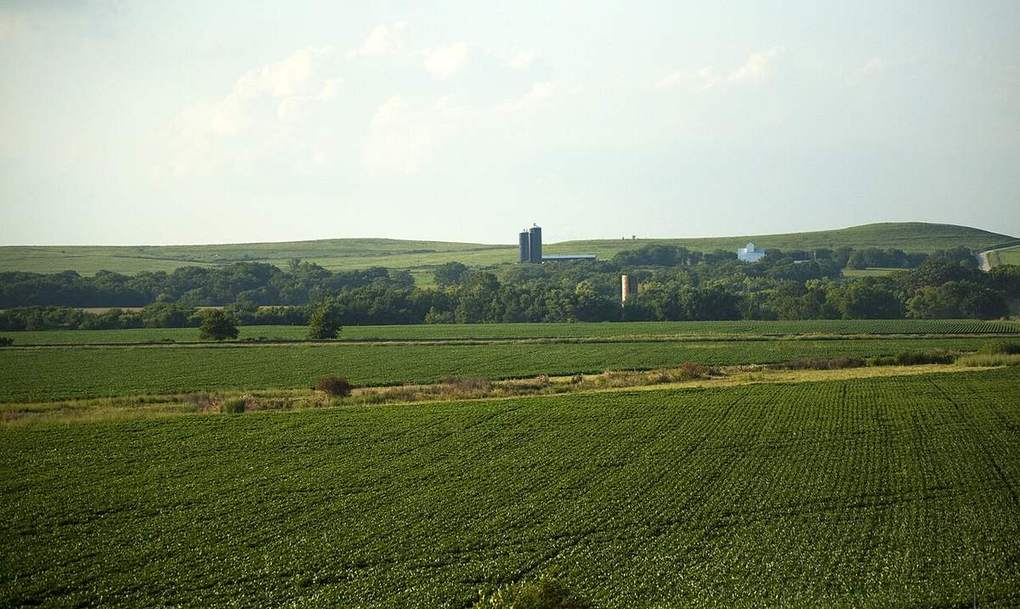
If one region owns the unwanted title of ragweed capital, it is the Midwest and the plains states beside it. Open agricultural land produces enormous amounts of ragweed, late summers stay warm enough for plants to mature fully, and the first frost often holds off until October, giving the season room to build to a long, high peak.
Pollen Atlas fall rankings reporting shows this pattern clearly: Tulsa regularly tops fall rankings when ragweed peaks, and the same pattern shows up across the surrounding region. That is why the daily numbers for Tulsa, Oklahoma are worth watching closely from late August onward. Nearby, Wichita, Kansas sits in the middle of plains farmland that produces heavy ragweed, and Kansas City, Missouri combines urban disturbed ground with the agricultural land that surrounds the metro on both sides of the state line.
Why the Midwest season feels so consistent
What makes this zone especially difficult is consistency. Once the season is underway, release is not occasional — it is near-daily, and plants in different locations mature at slightly different times, so fresh pollen keeps arriving as earlier plants finish. Within a few weeks of the first August release, ragweed pollen becomes part of the everyday air across the region, and the mid-September peak can hold levels in the upper bands for days at a time.
The South: trading intensity for a longer season
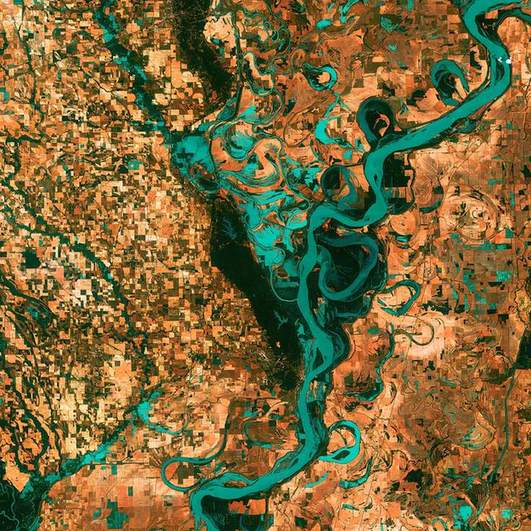
Southern cities tell a different version of the same story. Because the growing season runs longer, ragweed plants can begin releasing pollen earlier — sometimes as early as late July — and the first frost that ends the season may not arrive until November. The peak may feel slightly less concentrated than in the Midwest, but the season asks more of the people who endure it, week after week.
Memphis, Tennessee is a good example of a southern city where the season can stretch well into the fall, helped by warm autumns along the Mississippi River corridor. Further east, Louisville, Kentucky sits where the Midwest and South patterns meet: a strong September peak, followed by a slower wind-down than cities further north experience. For residents of either city, the practical lesson is the same — do not assume the season is over because October has arrived. Frost, not the calendar, decides the end.
The Northeast: shorter, but concentrated
The Northeast deserves a mention here too. Its season is shorter, but it is concentrated, and cities there can rank among the hardest during the peak weeks themselves. Short does not mean mild; it means the difficult stretch is packed into fewer weeks before frost brings relief.
Timing, weather, and why rankings move so fast in fall
The worst cities for ragweed allergies are not fixed from week to week, because ragweed responds quickly to weather. Warm, dry, and windy days are the worst combination: wind lifts pollen, keeps it airborne longer, and carries it in from surrounding areas. Counts also tend to run highest in the mid-morning hours, after plants release pollen and warming air stirs it around. Rain can wash pollen out of the air and bring temporary relief, but counts often rebound once things dry out.
How warmer autumns lengthen the season
Season length is shifting as well. Research by Ziska and colleagues (2019) on temperature-related changes in airborne allergenic pollen found that pollen seasons across the Northern Hemisphere have generally become longer and more intense as temperatures have risen. For ragweed specifically, a warmer autumn delays the first frost, stretching the tail of the season by days or even weeks, while an early cold snap can cut a city's season short. Two cities at similar latitudes can therefore finish their seasons weeks apart in the same year.
On Pollen Atlas, ragweed is tracked as part of the daily Weeds Index, scored from 0 to 100: Low from 0 to 33, Moderate from 34 to 66, and High from 67 to 100. During the peak weeks, cities in the belt spend their longest stretches in the Moderate and High bands, and the order at the top of the rankings can change within days as different regions hit their peak on different dates.
Tracking the worst cities for ragweed, day by day
A seasonal ranking tells you which regions to respect. Daily numbers tell you what to do this morning. Start with our guide to ragweed season timing, peaks, and endings for the full calendar, and our broader look at the worst cities for allergies for how fall fits into the whole year.
That daily view complements the certified station counts compiled through the AAAAI's National Allergy Bureau, whose counting stations collect airborne pollen over 24-hour periods and report what was actually in the air.
Then check your own city. The daily city rankings show how cities compare nationally on a given day, which helps you see whether a rough morning is a local spike or part of a wider regional peak. A quick morning check of your city's Weeds Index tells you which band you are in before you commit to a long run, a day of yard work, or an outdoor event during the peak weeks.
If fall symptoms hit you hard year after year, it may also be worth talking to an allergist about what is driving them — you can find an allergist near you through the Pollen Atlas directory. This article is general information only and is not medical advice.
Frequently Asked Questions
Which cities are the worst for ragweed?
The worst cities for ragweed cluster in the Midwest and central plains, around cities such as Tulsa, Wichita and Kansas City, and in the long-season South, including Memphis and Louisville. Pollen Atlas data shows Tulsa regularly topping fall rankings when ragweed peaks.
When does ragweed season peak in the worst cities?
Ragweed season starts in August and usually peaks in mid-September. It ends abruptly at the first frost, which arrives earlier in the North and later in the South.
Why is the Midwest considered the ragweed capital?
The Midwest is considered the heart of ragweed country because open agricultural land produces enormous amounts of ragweed and late summers stay warm enough for plants to mature fully. First frost often holds off until October, giving the season room to build to a long, high peak.
How can I track ragweed pollen in my city?
You can track ragweed through the Weeds Index for your city on PollenAtlas.com, scored from 0 to 100. The daily city rankings also show whether a rough morning is a local spike or part of a wider regional peak.
Worst cities for ragweed: the short answer
The worst cities for ragweed cluster where the plant itself clusters: the Midwest heartland, the central plains around cities such as Tulsa, Wichita, and Kansas City, and a long-season South that includes Memphis and Louisville, with a shorter but concentrated season in the Northeast. No single list settles it for every week, because weather and frost dates move the rankings fast. What settles it for you is your own city's number today. Check the worst cities for ragweed before you plan your week — PollenAtlas.com offers free pollen counts and forecasts for cities worldwide, so the peak weeks never have to catch you by surprise.