
The Pollen Year: A Month-by-Month U.S. Allergy Calendar
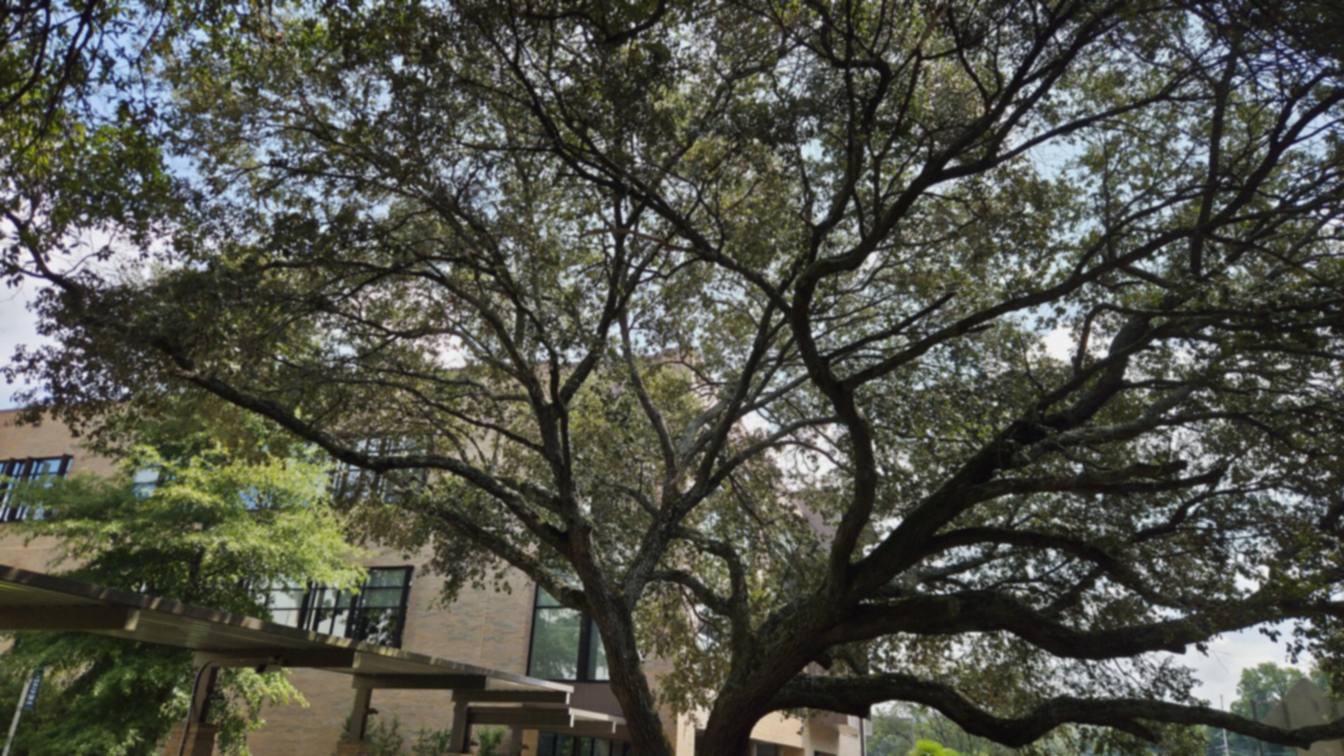
"When is allergy season?" is the most natural question in this subject — and the United States does not really have one. It has a relay. Tree pollen runs the first leg in late winter and spring, hands over to grass for late spring and summer, and grass hands over to ragweed and the other weeds for late summer and fall. Then, just as most of the country gets a break, mountain cedar takes a winter leg of its own in Texas and the southern plains, while mold and indoor allergens fill the gaps in between.
So the useful question is not when allergy season is, but which season you are in — because the plant behind your symptoms in April is almost never the plant behind them in September, and the months that matter most depend on where you live and what you react to. Each season links to its own detailed guide, and every month links back to the daily numbers, because a calendar tells you the shape of the year while only today's index tells you the shape of today. If the indexes themselves are new to you, begin with what a pollen count is — everything below uses that same 0–100 scale: Low from 0 to 33, Moderate from 34 to 66, and High from 67 to 100.
The year at a glance
Timings below are national patterns, drawn from the Asthma and Allergy Foundation of America's season summaries and The Weather Company's regional calendars. Your region can run several weeks ahead of or behind them — the South generally starts earliest and finishes latest; the North starts latest and is cut off first by frost.
| Month | Main pollen in the air | Where it bites first / hardest |
|---|---|---|
| January | Mountain cedar at its peak; earliest tree pollen in the Deep South | Central Texas and the southern plains; Gulf states stirring |
| February | Cedar continues; tree season opens across the South | Texas, Southeast, mid-Atlantic |
| March | Tree pollen climbing toward its peak; grass starts in the South | Southeast and South Central; North waking up late month |
| April | Tree pollen peak in most regions; grass building | Nationwide — usually the year's biggest search-and-symptom month |
| May | Tree fading in the South, peaking in the North; grass rising | Northeast and Midwest trees; grass nearly everywhere |
| June | Grass pollen peak; tree season mostly done except the far North | Midwest, Northeast, Pacific Northwest |
| July | Grass continues, especially in the North; mold rising; earliest Southern ragweed | Northern tier grass; humid regions' mold |
| August | Ragweed season opens; grass tailing off | Midwest and Northeast ragweed begins; South already underway |
| September | Ragweed peak, usually mid-month; mold high in humid areas | Midwest and central plains hardest; nationwide weeds |
| October | Ragweed winds down to first frost; late mold | South still active early; North finishing with frost |
| November | Quietest outdoor month in most regions; Southern ragweed tail | Frost-free South only; indoor allergens take over elsewhere |
| December | Mountain cedar season opens with the first strong cold fronts | Central Texas and Oklahoma on front days |
Winter: December to February — the cedar exception
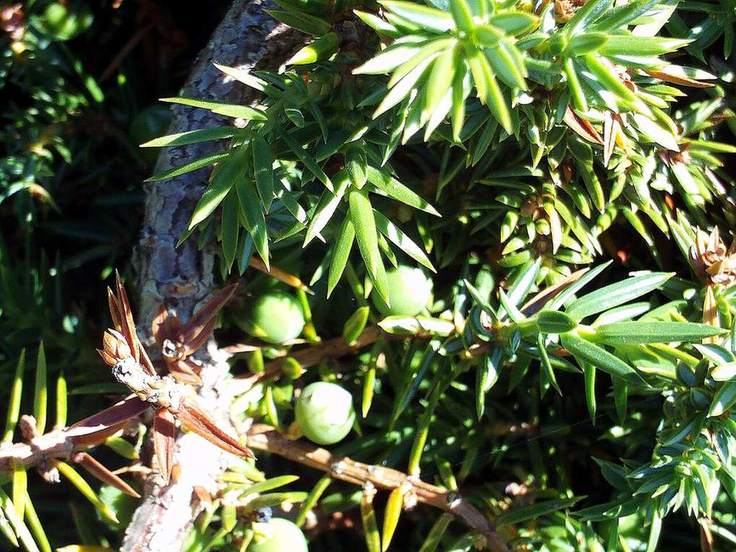
Winter is the closest thing the pollen year has to an off-season, and for most of the country outdoor pollen genuinely rests. The great exception is mountain cedar. From December through March, Ashe juniper in Central Texas releases pollen in front-driven bursts, peaking in December to February — a full allergy season running while the rest of the country is dormant. It is strange enough, and miserable enough for those in it, to have earned its own name and its own guide: cedar fever, Texas's winter allergy. Watch Austin's daily pollen levels in January and you will see Tree Index spikes that northern cities will not match until April.
Late winter also writes spring's first chapter. In the Deep South, trees can begin pollinating as early as January, and by February the tree season is properly open across the South while the North is still weeks away. Winter is therefore the planning season everywhere else: the time to learn your city's pattern before its first peak arrives.
Spring: March to May — tree season, the year's first peak
Tree pollen is the first major wave: roughly February to May nationally, peaking in March and April in most regions, later in the North. Oak, birch, maple, pine, elm, and their relatives do the damage, and spring is when overall pollen attention peaks — analyses of U.S. search data presented by the American College of Allergy, Asthma & Immunology found allergy-symptom searches peaking in the second week of May, with a second peak in September. Cities like Atlanta, where the daily pollen is famous for spring tree counts, show why: a warm, dry, windy April week can push the Tree Index into the High band day after day. Our dedicated guide to tree pollen season breaks down the major trees and their order of arrival.
Spring's second act starts before the first one ends. Grass pollen begins in the South as early as April and overlaps the tree tail almost everywhere — the reason many people experience spring as one long season rather than two short ones. If your symptoms start with the trees and refuse to leave, that overlap, not a single endless plant, is usually the explanation.
Summer: June to August — grass, mold, and the handover
Grass owns the summer's first half: roughly May to August nationally, peaking in June and July, later and longer in the North, earlier and more drawn-out in the South, where some grasses pollinate for much of the year. The Great Plains and Midwest, with their sheer acreage of grassland, carry some of the heaviest grass exposure. Our grass pollen season guide covers the major grasses and why summer afternoons are their worst hours.
Summer is also when mold earns its place on the calendar. Outdoor mold spores rise with heat and humidity, are often elevated from August into the fall, and spike with wet weather rather than following a tidy plant calendar — which is why humid and coastal regions can feel rough in August even as grass fades. And August closes summer with the year's most consequential handover: ragweed begins releasing pollen, lightly at first, in the Midwest and Northeast, while parts of the South — where plants mature earlier — may already be weeks into it.
Fall: September to November — ragweed's season
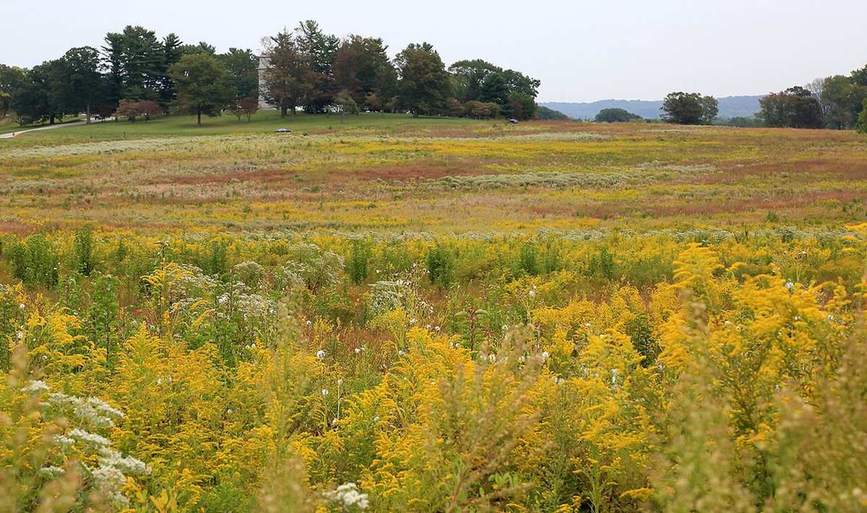
Fall belongs to the weeds, and above all to one plant. Ragweed season runs from August until the first hard frost, peaks in mid-September in most of the country, and lasts six to ten weeks depending on location — longer in the South, where frost comes late. The Asthma and Allergy Foundation of America notes that almost 50 million people in the U.S. have symptoms from ragweed pollen allergy in late summer and early fall. A single ragweed plant can produce up to a billion grains in a season, and the grains travel hundreds of miles on the wind, which is why fall's worst days are regional events, not neighbourhood ones. Pollen Atlas data shows the Weeds Index spending its longest stretches in the Moderate and High bands during those mid-September peak weeks, and cities such as Tulsa, where fall pollen regularly tops the national rankings, becoming the season's reference points. The full story — start, peak, frost, and the regional table — is in our ragweed season guide.
October brings the unwind, at different speeds: the North ends with its first frost, the South stays active weeks longer. By November, outdoor pollen is quiet almost everywhere except the frost-free South, and the year's centre of gravity shifts indoors, to the dust mites and pet dander that never had a season in the first place.
One country, several calendars
A national calendar is a starting point, not a schedule. Southern states run the longest year — trees from January, grass stretching toward October, ragweed into November. The Northeast and Midwest run a compressed, intense version: a later spring start, a strong grass summer, and the country's most concentrated ragweed fall. The West varies most of all, from Pacific Northwest alder and birch in early spring to desert Southwest trees and grasses on their own timetable. State calendars sharpen the picture further — our Texas allergy season calendar combines cedar, oak, and ragweed in one state's year, and the Oklahoma allergy season calendar does the same for the ragweed belt's northern anchor, where Dallas's pollen year and Tulsa's overlap but do not match. Wherever you live, treat the table above as the melody and your city's data as the actual performance.
The year is getting longer
One honest caveat belongs on any modern calendar: the dates are drifting. A 2021 study in the Proceedings of the National Academy of Sciences, using records from 60 pollen-counting stations across North America from 1990 to 2018, found pollen seasons starting about 20 days earlier and lasting about 10 days longer than in 1990, with pollen concentrations up about 21% — changes the authors linked strongly to warming, with the largest increases in Texas and the Midwest. A calendar printed a generation ago would understate today's season at both ends. That drift is another reason to pair any calendar, including this one, with current data rather than memory.
How to use this calendar
Use the calendar to know which pollen to watch and when to start watching it. Use daily data for everything else. As your season approaches, check your city's page each morning — the Total Pollen Index for the headline, the Tree, Grass, and Weeds splits for your plant, and the 5-day forecast for planning. Zoom out on the pollen heatmap to see your season arriving across the map, and on the city rankings to see which region owns the current peak.
If a particular season hits you hard every year and you still do not know which pollen is responsible, testing can turn this calendar from general guidance into a personal one — you can find an allergist near you in the Pollen Atlas directory. This article is general information only and is not medical advice.
Allergy season is not a season. It is a year of seasons, taking turns — cedar's winter, the trees' spring, grass's summer, ragweed's fall. Learn the turn that matters where you live, mark its approach on your calendar, and check Pollen Atlas before it arrives, and the pollen year stops being something that happens to you and becomes something you can see coming.
Sources
- Asthma and Allergy Foundation of America, "Ragweed Pollen Allergy" — U.S. pollen seasons summary (trees February–April, some regions from December/January; grasses April–early June; weeds August–first hard frost; ragweed peaks mid-September, lasting six to ten weeks; almost 50 million people in the U.S. affected by ragweed pollen allergy).
- The Weather Company (weather.com), "The Seasons for Allergies" — regional calendars (Midwest: trees February–June, grasses May–August, ragweed August–October; South: trees January–June, grasses April–September and March–October in the Southeast/Southwest, ragweed August–November).
- Anderegg, W.R.L. et al., "Anthropogenic climate change is worsening North American pollen seasons," Proceedings of the National Academy of Sciences (2021) — 60 stations, 1990–2018: seasons ~20 days earlier and ~10 days longer, concentrations +21%. Summary: https://phys.org/news/2021-02-allergy-seasons-worse-blame-climate.html
- Seasonality and search-peak timing (April–May primary peak, second week of May; September secondary peak), as documented in Pollen Atlas keyword research (accessed 2026-10-13/14).