Seasonal Allergy Symptoms: Signs & How Long They Last
Sneezing fits, itchy eyes, a nose that will not clear: seasonal allergy symptoms follow the pollen, wave by wave, all year. The full pattern — every sign, how it differs from a cold, and how to read it against your city's count.
10 min readSeasonal Allergies
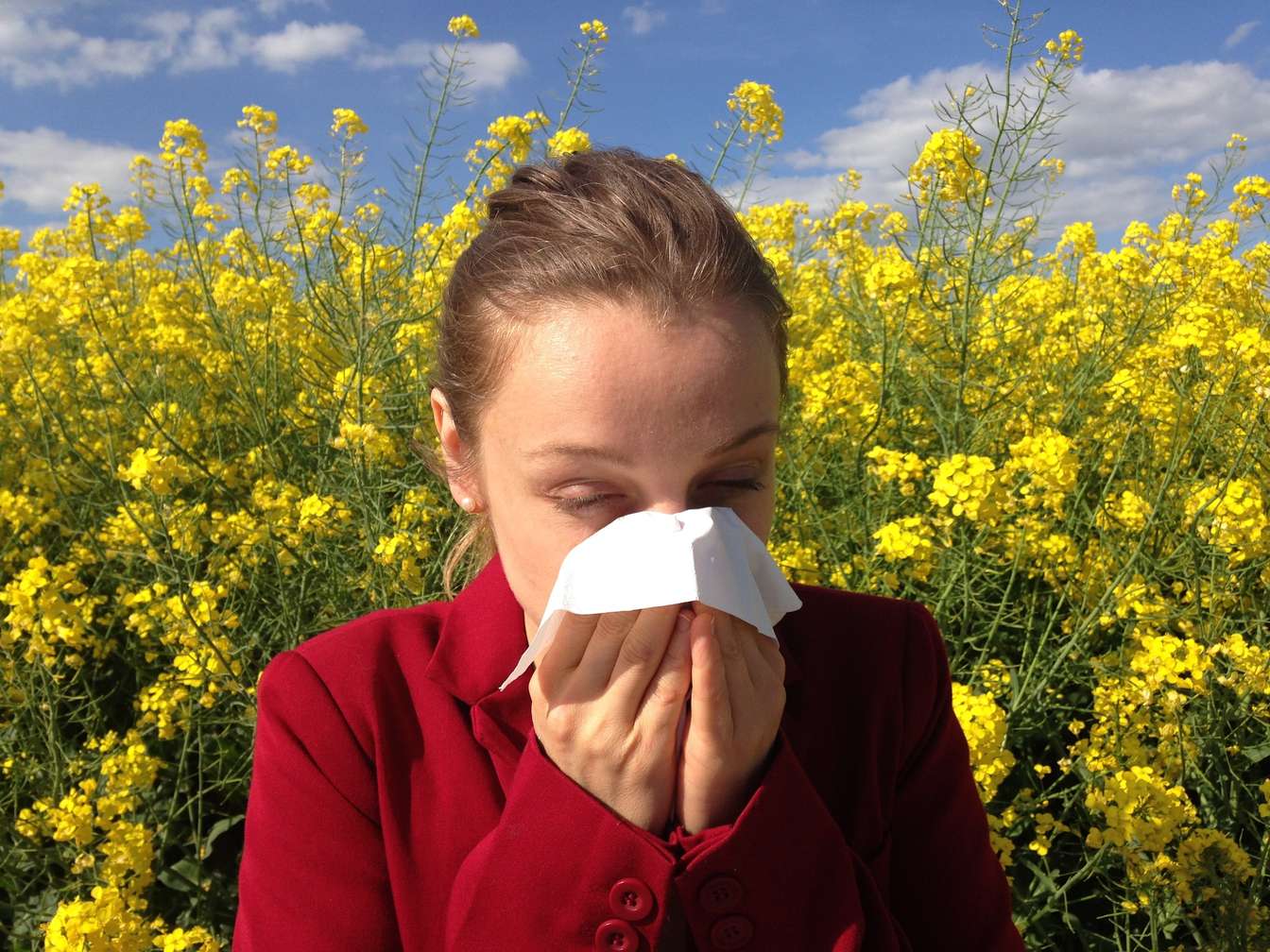
Seasonal allergy symptoms are the body's false alarm against pollen: sneezing fits, a runny or blocked nose, itchy and watery eyes, and an itch in the throat, ears or roof of the mouth, arriving when the tree, grass or weed count climbs and easing when it falls. However the search was phrased — seasonal allergies symptoms, allergy symptoms seasonal — it is one pattern with one cause: pollen in the air meeting a nose and eyes that overreact to it. Unlike a cold, it is not an infection, it cannot be caught, and it returns in the same weeks every year. This guide sets out the full pattern — every sign, how it shifts from wave to wave, how to tell it from a cold, and when it stops being a nuisance and becomes a reason to see a specialist.
Key takeaways
- Seasonal allergy symptoms are one repeating pattern — sneezing, itchy eyes, congestion — driven by whichever pollen wave is in the air, not by an infection.
- The pattern is the giveaway: the same weeks every year, worse on dry and windy days, easing after rain, and no fever.
- Hay fever is the same condition under its older name; the symptoms match because the cause does.
- Symptoms track the count — when your city's tree, grass or weed index falls, symptoms follow within days.
- Severe symptoms, broken sleep, or any difficulty breathing are reasons to see an allergist rather than wait out the season.
What are seasonal allergy symptoms? The full list
The common seasonal allergy symptoms cluster in the nose and eyes first, because that is where pollen lands. When pollen grains settle on the lining of the nose, the immune system of a sensitised person reads them as a threat and releases histamine and other inflammatory chemicals — and nearly every symptom on this list is those chemicals at work. The ACAAI's hay fever overview describes the same mechanism and the same core symptom set.
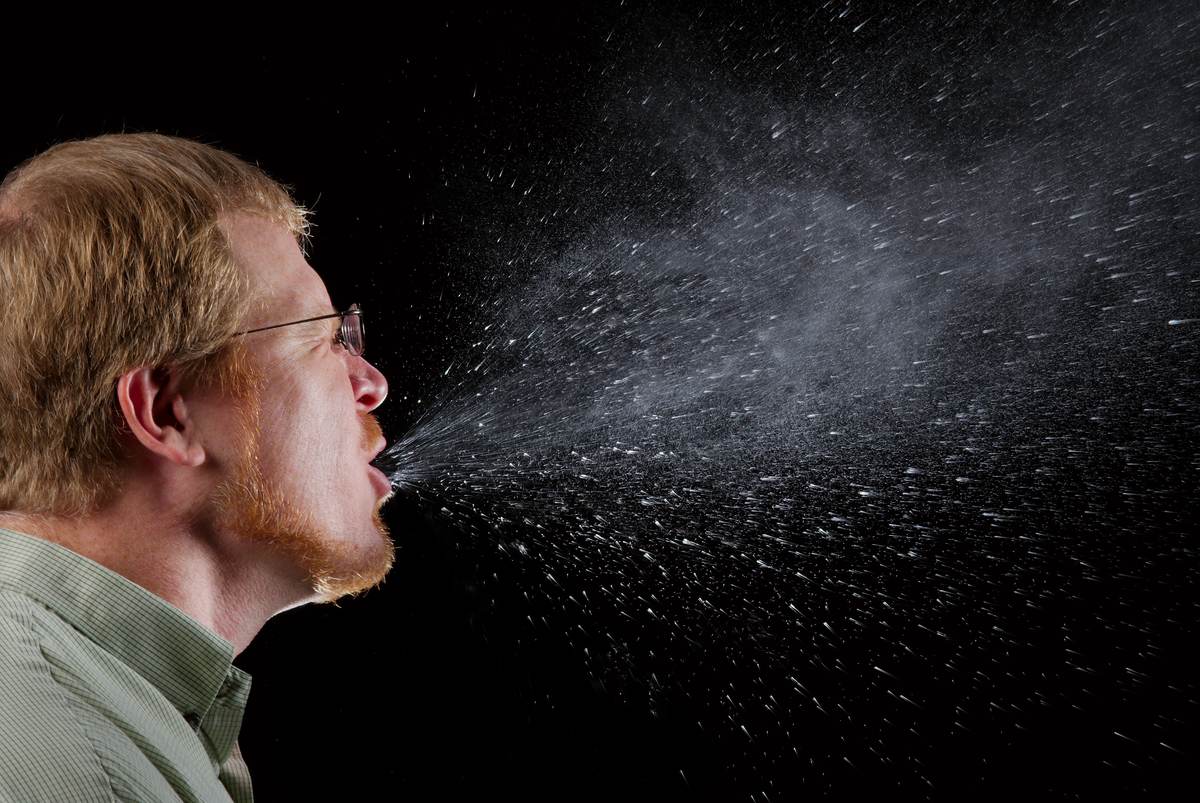
Nose. Sneezing fits — often five, ten, twenty sneezes in a run — a runny nose with clear, watery mucus, and congestion that can block one or both sides. The lining of the nose swells, which is why the blockage can feel worse lying down and why smell dulls at the peak of a wave.
Eyes. The seasonal allergies eye symptoms are often the clearest tell of all: itching, watering, redness and swollen lids, usually in both eyes at once. Eyes that itch are the classic allergy signal — colds and other infections rarely make eyes itch, and pollen settling directly on the eye's surface is why the eye symptoms can flare within minutes of going outside.
Throat, ears and mouth. An itchy throat, itchy ears and an itch on the roof of the mouth are distinctive to allergy. The sore throat in the seasonal allergy symptoms pattern is different from an infected one: it is a scratchy, drip-driven soreness from mucus running down the back of the throat — postnasal drip — worst after a night lying flat.
Chest and cough. The seasonal allergy symptoms cough is usually dry and drip-driven too, tickling from the same postnasal drip, and it can disturb sleep for weeks at the height of a wave. In people with asthma, pollen waves can also tighten the chest — that overlap is covered in the when-to-get-help section below, because a cough with wheeze or breathlessness is a different matter from a drip cough.
Head. Sinus pressure across the cheeks and forehead builds as the swollen nasal lining blocks the sinus passages. The seasonal allergy symptoms headache is a pressure headache — a full, aching feeling rather than a sharp pain — and it rises and falls with the congestion.
Skin. Pollen allergy symptoms on skin are less known but real: itchy skin, hives in some people, and eczema flares that track the pollen season in others. Skin symptoms alone, with no nose or eye involvement, are less typical of pollen and more often point to a contact or food cause.
Whole body. Poor sleep from congestion, plus the immune response itself, leaves many people washed out at the peak of a wave — the tiredness question is answered in full in the FAQ below.
Seasonal allergy symptoms in adults
The symptoms of seasonal allergies in adults are the same list, but adults often read them differently: the congestion is blamed on the office air, the tiredness on work, the recurring spring "cold" on bad luck. The adult presentation leans harder on fatigue, broken sleep and sinus pressure, and softer on the dramatic sneezing fits children get. If the pattern is new — symptoms arriving for the first time in adulthood rather than repeating from childhood — that is a separate question, covered in our guide to adult-onset allergies.
Signs of seasonal allergies: the pattern that gives them away
Any single symptom on the list above could belong to a cold. The signs of seasonal allergies are in the pattern the symptoms make together — and once you know the pattern, you can usually name what you have before any test does.
The calendar repeats. Symptoms arrive in the same weeks each year and leave on roughly the same schedule, because they are following a pollen wave, not an infection. Which wave runs when is a calendar question — our guide to is it allergy season walks the year month by month.
Symptoms track the count. A bad day follows a high reading and a better day follows rain, which washes pollen from the air for a few hours. That is the most practical sign of all, because it is checkable: read today's index for your city against how you feel, and watch the wave move across the country on the pollen heatmap. Two or three matched days settle the question for most people.
It itches. How do you know if you have seasonal allergies rather than a virus? Itching is the single most useful clue. Itchy eyes, an itchy throat, itchy ears — infections almost never itch. Allergies almost always do.
The weather signs it. Symptoms sharpen outdoors on dry, windy days, when pollen travels, and ease indoors, after rain, and on still, damp days. What do seasonal allergies feel like, day to day? Like a cold that follows the weather instead of following other people.
Hay fever symptoms are seasonal allergy symptoms
Hay fever seasonal allergies are one condition under two names — hay fever is simply the older label for seasonal allergic rhinitis, and hay fever symptoms are the symptoms in this guide: the sneezing fits, the itchy and watery eyes, the blocked nose. The name misleads twice over. It is not caused by hay, and it does not cause a fever; it was named in the hay-making season, when sufferers were worst, as our history of how hay fever got its name explains. If you have been searching both terms in different weeks, you have been describing one condition — and the fix for confusion is to follow the pollen, which is what the rest of this guide does.
Pollen allergy symptoms, wave by wave
Pollen allergy symptoms feel much the same whichever pollen causes them — histamine does not care which tree it came from — but the wave that is running decides when your symptoms arrive, and each wave has its own texture. Reading your symptoms against the three waves is how you work out which pollen is yours.
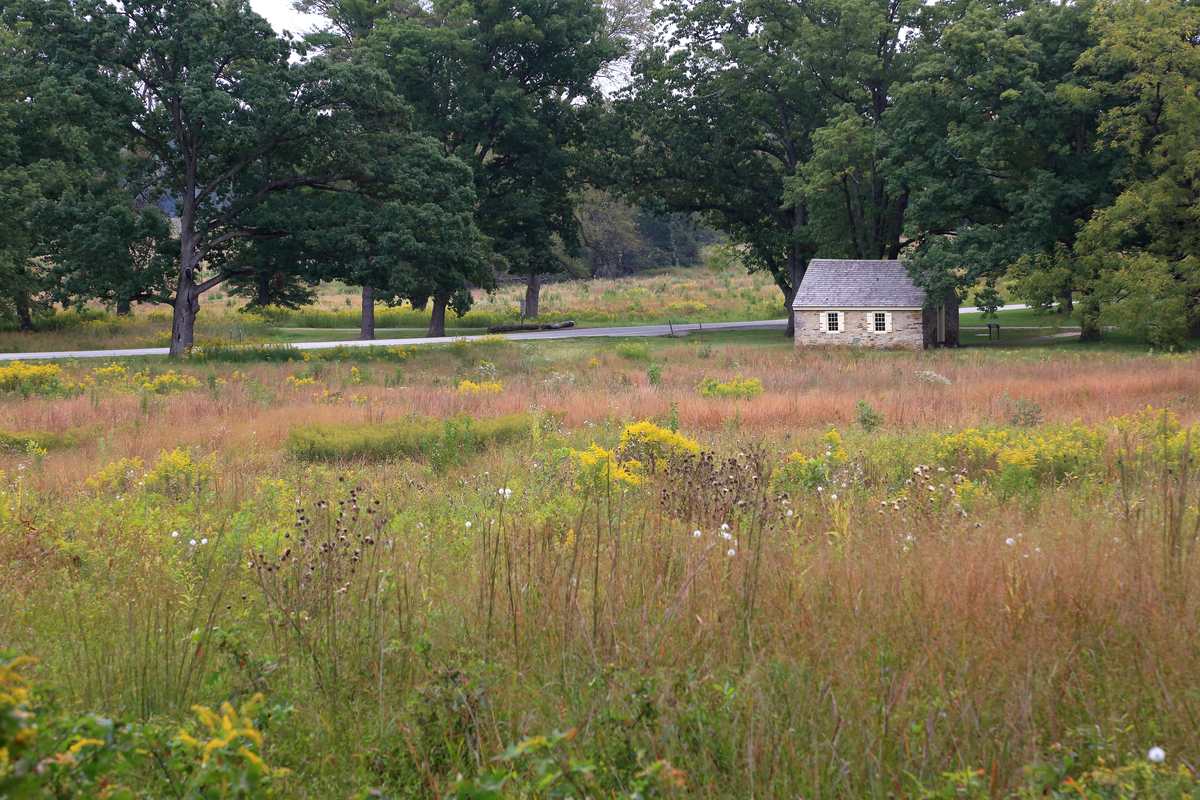
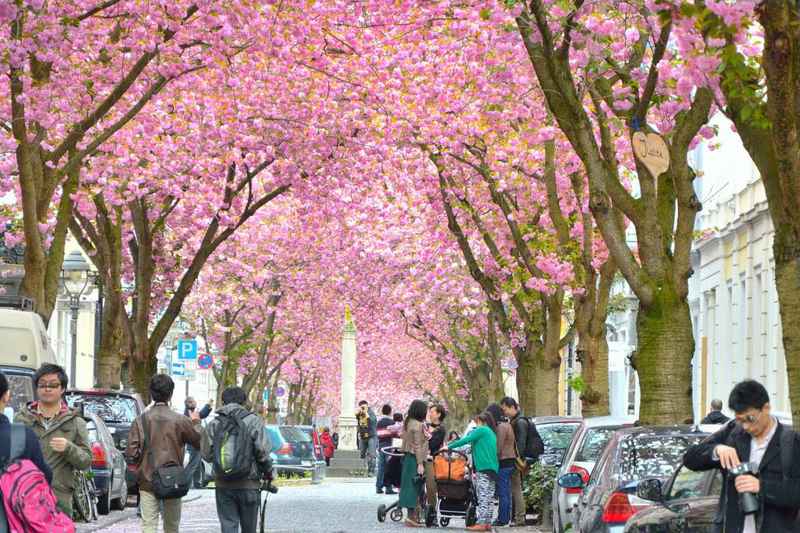
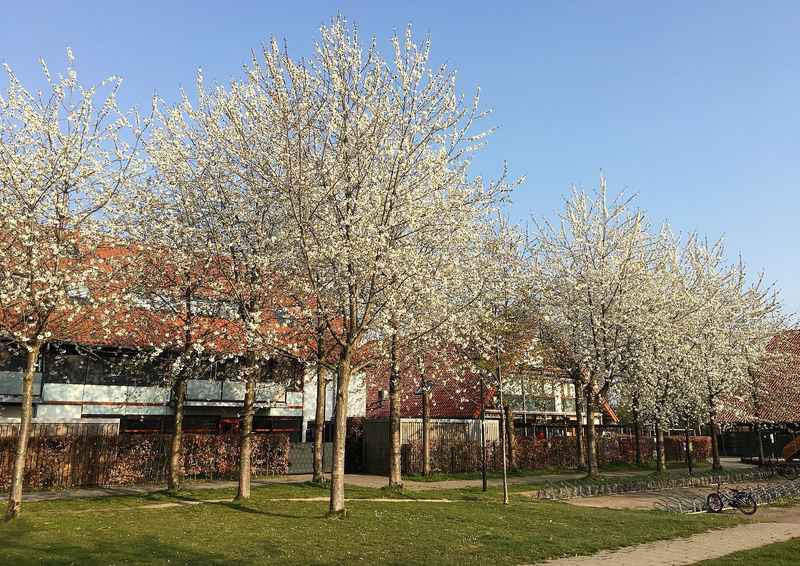
Tree wave, spring. The first wave of the year is tree pollen — oak, birch, elm, maple and their kin — running from February in the South through May in the north, as the spring allergy season guide maps region by region. Spring symptoms often arrive while the landscape still looks wintry, which is why they are so often mistaken for a lingering cold. The tree pollen allergy symptoms page sets out the tree-specific picture in full.
Grass wave, late spring into summer. Grass pollen follows the trees and runs longer and steadier, driven by lawns, pastures and roadsides that are cut and regrow all season — the grass pollen season guide covers its calendar. Grass symptoms peak on warm, dry, breezy days and dip after rain, and the grass pollen allergy symptoms page profiles the main grasses behind them.
Weed wave, late summer into fall. Ragweed closes the year, and its symptoms are often the most intense of the three waves — the full picture is on the ragweed allergy symptoms page, and the ragweed season guide gives its start, peak and end. Watch the weed index on city pages such as Houston and Atlanta in September and you can see the fall wave crest in the numbers before the first frost ends it.
Seasonal allergy symptoms vs a cold: how to tell them apart
Cold vs seasonal allergies is the comparison almost every sufferer runs at least once a year, because the opening days feel identical: sneezing, a running nose, congestion. The differences are in the details — itch, fever, timing and duration — and they separate cleanly once laid side by side.
| Signal | Seasonal allergies | A cold |
|---|---|---|
| Fever | Never — a fever points to infection, not allergy | Possible, especially in the first days |
| Itching | Hallmark — eyes, throat, ears, roof of the mouth | Rare |
| Onset | Within hours of exposure to high counts | Builds gradually over a day or two |
| Duration | As long as the wave runs — weeks at a time | Usually 7 to 10 days, then gone |
| Pattern | Repeats in the same weeks each year and tracks the weather and the count | Follows contact with sick people, in any season |
The short version: if it itches, repeats every year, and tracks the pollen count, it is the seasonal pattern. The difference between cold and seasonal allergies is never one symptom — it is the pattern the symptoms make over days and years.
Bad seasonal allergy symptoms: when to get help
Most seasonal symptoms are miserable rather than dangerous. But bad seasonal allergy symptoms cross lines that should change what you do next. The symptoms of bad seasonal allergies include sleep broken night after night by congestion, repeated sinus infections across a season, days lost from work or school every wave, and symptoms that run for most of the year rather than a few weeks. Any of those is a reason to stop self-managing and get tested: a specialist can identify exactly which pollens drive your pattern, and treatment aimed at the actual trigger works better than guesswork.
One line is sharper. Pollen is a known asthma trigger, so wheezing, chest tightness or difficulty breathing during a pollen wave is not a "tough it out" symptom — it warrants prompt medical care. You can find an allergist near you through the Pollen Atlas directory. This guide is general information only and is not medical advice.
Frequently Asked Questions
How long do seasonal allergy symptoms last?
As long as the wave that causes them runs — a tree wave typically lasts a few weeks in any one city, grass can run for two months or more, and ragweed holds from August to the first frost. How long do seasonal allergies last in total depends on how many waves you react to: tree-only sufferers may be done by June, while someone sensitive to all three can run from February to frost. How long can seasonal allergies last at the extreme? In the warmest southern areas, where something is pollinating in nearly every month, close to year-round.
Can seasonal allergies cause a fever?
No. Despite the name "hay fever", seasonal allergies do not raise your temperature — there is no infection for the body to fight. A fever alongside congestion points to a cold, flu or a sinus infection instead, and if the fever is high or lasts more than a few days it is worth medical attention in its own right.
Can seasonal allergies make you tired?
Yes — it is one of the most reported effects. Congestion fragments sleep, mouth-breathing dries the throat, and the immune response itself is tiring. Many people find the fatigue lifts within days of the count falling, which is another way the pattern gives itself away.
Can seasonal allergies cause a sore throat?
Yes, by drip rather than infection: mucus running down the back of the throat leaves it scratchy and sore, often worst first thing in the morning. A throat that is raw, with fever or difficulty swallowing, is more likely an infection and should be treated as one.
Can seasonal allergies cause headaches?
Yes — sinus pressure headaches are common at the peak of a wave, when the swollen nasal lining blocks the sinus passages from draining. They feel like a full, aching pressure across the cheeks and forehead, and they ease as the congestion eases.
Can seasonal allergies cause a cough?
Yes — a dry, tickling cough from postnasal drip is a standard part of the pattern, and it often bothers people most at night. A cough that comes with wheezing, chest tightness or breathlessness is different: that combination can signal asthma and should be checked promptly.
Are seasonal allergies contagious?
No. Seasonal allergies are an immune overreaction to pollen, not an infection — there is nothing to catch. You can sneeze next to someone all spring and give them nothing but sympathy.
Is hay fever the same as seasonal allergies?
Yes. Hay fever is the traditional name for seasonal allergic rhinitis — the same condition, the same pollens, the same symptoms. The name survives from the hay-making season in which sufferers were worst; it involves neither hay nor fever.
Conclusion: read your symptoms against the count
Seasonal allergy symptoms stop being a mystery once you read them against the count. The pattern — itchy, fever-free, repeating in the same weeks, sharpening on dry and windy days — names the condition; the three waves name the cause; and your city's daily index tells you which wave is running and when it will ease. Check the daily city rankings to see where the season is biting hardest, follow the wave on the pollen heatmap, and match both against how you feel for two or three days — most people can identify their pollen from that alone. Wherever you are, PollenAtlas.com offers free pollen counts and forecasts for your city and worldwide, so the next wave arrives as an appointment you saw coming, not an ambush.