
Spring Allergy Season: A Region-by-Region Preview Guide
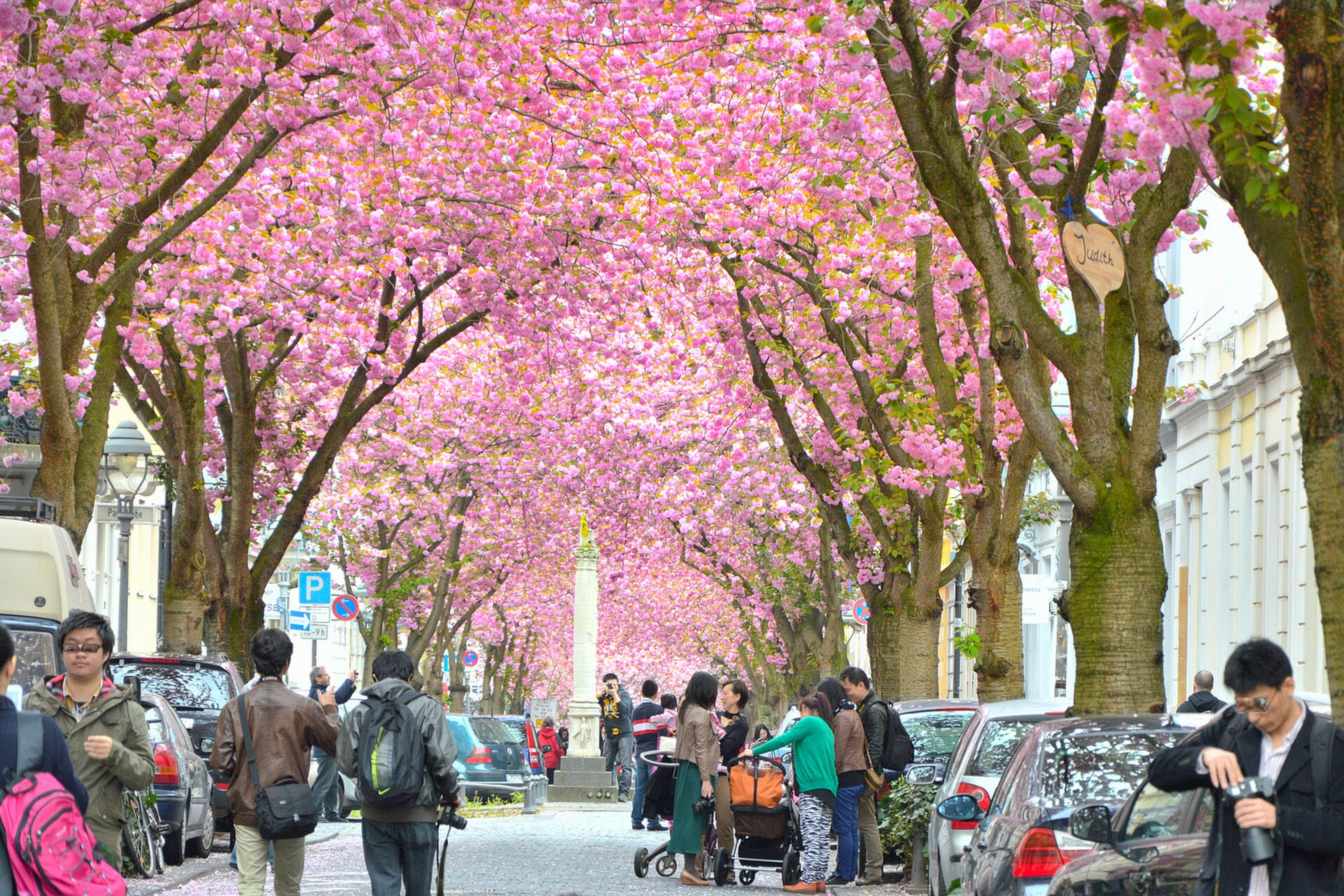
Spring allergy season does not arrive everywhere at once. It starts in the South, sometimes while the North is still scraping frost off windscreens, and then climbs the map week by week as warming temperatures wake up trees first and grasses second. That travelling pattern is the single most useful thing to understand about the season: if you know where your region sits in the wave, you can see your hardest weeks coming. It is a template we refresh with a new dated outlook each year — use it to plan the shape of your spring, then check your own city for the actual dates and numbers, because no national preview can tell you what is in the air on your street.
Key takeaways
- Spring allergy season starts in the South and moves north week by week, so dozens of local seasons are staggered over two to three months.
- Tree pollen is the first wave, running from February in the earliest southern areas through May in the north; grass follows from May and overlaps the tail of the trees.
- An ACAAI-presented analysis of Google search trends, reported by Live Science and News-Medical, found public searches related to seasonal allergies peak in April and May nationally.
- On Pollen Atlas, the Tree Index is scored 0 to 100 — Low 0 to 33, Moderate 34 to 66, and High 67 to 100.
How spring allergy season unfolds: south first, then north
The mechanics are simple. Trees pollinate when they have had enough warmth after winter dormancy, and spring warmth arrives in the South weeks before it reaches the northern states. So the season's first wave breaks over the Gulf Coast, Florida, and Texas, then moves through the Southeast and mid-Atlantic, then the Midwest and Northeast, and finally the northern tier and higher elevations. A city can be deep into its tree peak while another city a few hundred miles north has barely started.
Watching the wave build in the Southeast
You can watch that wave build in the Southeast. Atlanta, Georgia is one of the early bellwethers most years, with tree pollen climbing while much of the country is still in late winter. The Carolinas follow close behind — compare Charlotte and Raleigh on Pollen Atlas in early spring and you can usually see the wave arriving within days of Atlanta's rise. Further west, Dallas, Texas often starts even earlier, a reminder that the wave moves along climate lines, not neat state borders.
Dozens of local seasons, not one national season
The Asthma and Allergy Foundation of America (AAFA, 2024) consistently describes spring as the most challenging season for pollen allergy in its annual allergy research, and the south-to-north progression is the reason the national season feels so long: it is really dozens of local seasons, staggered over two to three months.
Wave one: tree pollen leads spring allergy season
Tree pollen is the first wave, generally running from February in the earliest southern areas through May in the north. AAFA's tree pollen allergy guide likewise describes tree pollen as the first pollen to appear each year in the United States, starting earliest in the South. The main producers are wind-pollinated trees — oak, birch, elm, maple, ash, and others depending on region — which release fine, lightweight pollen built to travel. The ACAAI's hay fever overview lists tree and grass pollen as the most common spring triggers of allergic rhinitis. Because many of these trees flower before or as their leaves open, the pollen surge can arrive while the landscape still looks wintry, which is why early symptoms are so often mistaken for a lingering cold.
Tree peaks move north through spring
Tree season sets the tone for the whole spring. In the South it can begin in February and peak in March; in the mid-Atlantic and lower Midwest the peak more often lands in April; in the Northeast and upper Midwest it can run into May.
| Region | Tree pollen timing in this guide |
|---|---|
| South | Begins in February, peaks in March |
| Mid-Atlantic and lower Midwest | Peak more often lands in April |
| Northeast and upper Midwest | Can run into May |
| Grass wave, most regions | Starts generally from May, earlier in the warmest southern areas and later in the far north. On Pollen Atlas, this wave shows up in the Tree Index, scored from 0 to 100 — Low from 0 to 33, Moderate from 34 to 66, and High from 67 to 100. Consecutive warm, dry, windy days push readings up fast, and the index can swing from Low to High within a single week once local trees start releasing in earnest. For a deeper look at this wave on its own, read our guide to tree pollen season. |
Why allergy searches peak in April and May
An analysis of Google search trends presented at a scientific meeting of the American College of Allergy, Asthma & Immunology (ACAAI) and reported by Live Science and News-Medical found that public searches and symptom interest related to seasonal allergies peak in April and May nationally. That timing matches the biology: by April, the tree wave is peaking across the most populated parts of the country at once, so the largest number of people are searching for relief in the same few weeks.
Wave two: grass overlaps the tail of the trees
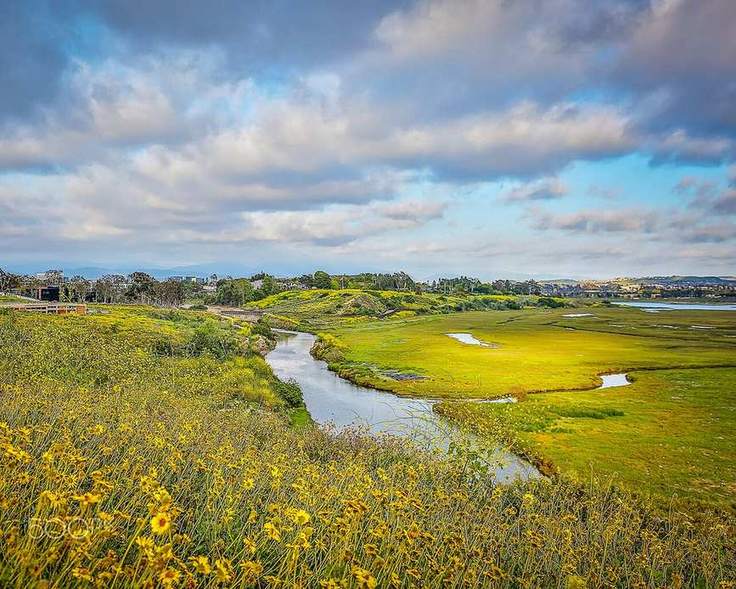
Just as tree pollen begins to ease, grass pollen starts — generally from May in many regions, earlier in the warmest southern areas and later in the far north. The overlap is what makes late spring feel relentless for people sensitive to both: there is no clean break between the waves, just a hand-off in which one source fades while the other climbs. The American Academy of Allergy, Asthma & Immunology (AAAAI, 2023) notes that grass pollination follows tree pollination across most of the United States, with the combined season stretching total exposure across the whole of spring.
How grass differs from tree pollen
Grass behaves a little differently from trees. Its season is longer and steadier, driven by lawns, pastures, and roadsides that are cut and regrow repeatedly, rather than by a single flowering event. Levels tend to run highest on warm, dry, breezy days and to dip after rain, then recover quickly as surfaces dry. In the South, warm-season grasses can start contributing before May; in the North, grass may not peak until early summer. Either way, by the time the grass wave is established, the season has a second engine — and the pollen season calendar shows how the two waves stack in a typical year.
What a preview can — and cannot — tell you
A seasonal preview is a map, not a measurement. It can tell you that your region's tree peak usually arrives before your neighbour region's, that grass will probably overlap the tail of it, and that April and May are when the country's attention peaks. What it cannot do is forecast a specific spring. This page deliberately makes no prediction for any individual year: if you are planning ahead for allergy season 2027, treat this as the template that year's dated outlook will follow — the same waves, in the same order — and not as a forecast of its start dates or counts. Weather rewrites the details every year. The CDC's overview of pollen and your health makes the same point at a larger scale: shifts in temperature, rainfall, and frost-free days change the start, end, and length of pollen seasons. An unusually warm February pulls the southern start forward; a cold, wet March delays northern trees; a dry, windy April sharpens peaks everywhere.
That is why the last step of any preview is always local. The daily city rankings show the wave's position in something close to real time: when southern cities fill the top of the table in March and northern cities take over in May, you are watching the season travel. Your own city's page then turns the pattern into a number for today and the days ahead. And if spring flattens you every year regardless of preparation, talking with a specialist about your specific triggers can be worthwhile — you can find an allergist near you through the Pollen Atlas directory. This article is general information only and is not medical advice.
Frequently Asked Questions
When does spring allergy season start?
Spring allergy season starts in the South, sometimes in February, and then moves north week by week. The first wave is tree pollen, which runs through May in the north.
Which pollen comes first in spring, tree or grass?
Tree pollen comes first in spring, generally running from February in the earliest southern areas through May in the north. Grass pollen follows from May in many regions and overlaps the tail of the tree wave.
When does spring allergy season peak?
Spring allergy season peaks for much of the country in April and May. An ACAAI-presented analysis of Google search trends found public searches related to seasonal allergies also peak in April and May nationally.
How can I check the spring pollen count for my city?
You can check your spring pollen count, and today's Tree Index, for your city on PollenAtlas.com. The daily city rankings also show where the season's wave is positioned as it moves north.
Conclusion: get ahead of spring allergy season
Spring allergy season is best understood as a wave: it breaks first in the South on tree pollen from February onward, rolls north region by region, peaks for much of the country in April and May, and hands off to grass from May before spring is even over. Know where your city sits in that sequence and the season stops ambushing you — the hard weeks become appointments you saw coming. Wherever you are in the wave, PollenAtlas.com offers free pollen counts and forecasts for your city and worldwide, so you can check today's spring pollen count before the trees make the announcement themselves.