
Grass Pollen Season: When It Starts, Peaks and Ends
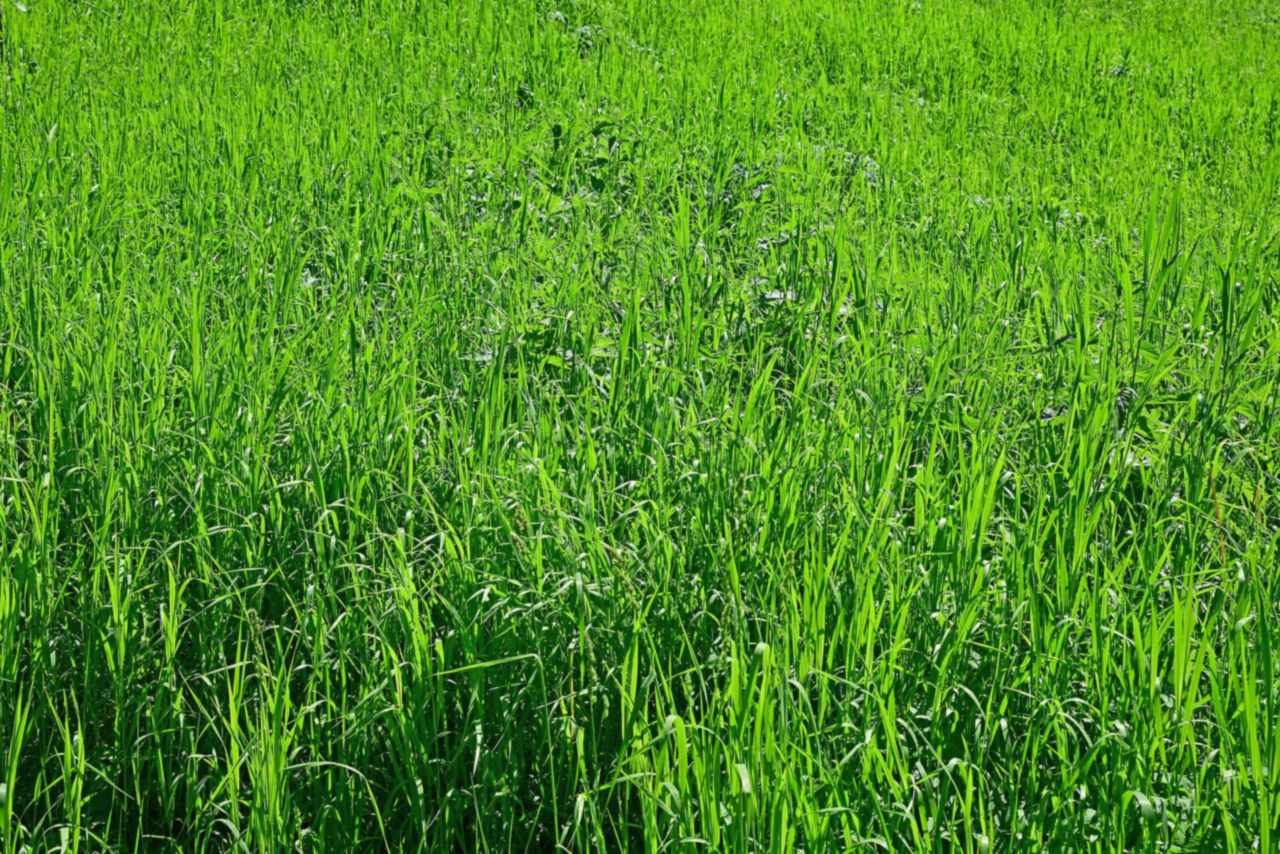
Grass pollen season takes over just as the spring tree wave fades, and it shapes the start of summer for many allergy sufferers. Lawns green up, meadows and roadsides grow tall, playing fields are in constant use, and on warm dry days the air can carry grass pollen far from the field or verge where it began. The broad national pattern is May through August, peaking in June and July, but the grasses involved — and the exact timing — change a great deal between the South, the Midwest, the mountains and the North. Knowing which grasses grow near you makes the season much easier to read.
Key takeaways
- Grass pollen season runs roughly May to August in much of the United States, peaking in June and July.
- Bermuda grass drives the season in the warm South, while timothy and bluegrass are among the grasses most often named in cooler northern regions.
- On Pollen Atlas, the Grass Index is scored 0 to 100 — Low 0 to 33, Moderate 34 to 66, and High 67 to 100.
- Pollen Atlas data shows the season moving across the map on the heatmap, with the South often lighting up first and northern areas joining later.
When grass pollen season starts and peaks
Regional pollen calendars published for 2026 describe grass pollen as the main pollen season between the spring trees and the late-summer weeds, running roughly May to August in much of the United States and peaking in June and July. The Centers for Disease Control and Prevention overview of allergens and pollen notes that the amount and type of pollen in the air depend on season and geographic region. Warmer southern areas can start earlier, because lawn and pasture grasses there wake up sooner and some warm-season species keep producing for a long stretch. Cooler northern areas often start a little later, then move into their peak quickly once late spring turns warm.
A peak built from overlapping waves
Unlike a tree peak that can pass with a particular species, the grass peak is built from many grasses flowering in overlapping waves. A lawn species, a meadow species and a roadside species near the same town may each reach their strongest release on different weeks. That overlap is why the season can feel steady rather than spiky: when one grass eases, another is often ready to replace it, especially early in summer.
On Pollen Atlas, grasses are tracked as the Grass Index, scored from 0 to 100 — Low from 0 to 33, Moderate from 34 to 66, and High from 67 to 100. A grass pollen count translated into that scale gives a quick morning signal. Several Moderate or High days in a row in late May usually mean the season is properly underway, while an isolated warm-day rise in April is more likely to be an early preview.
The grasses behind grass pollen season
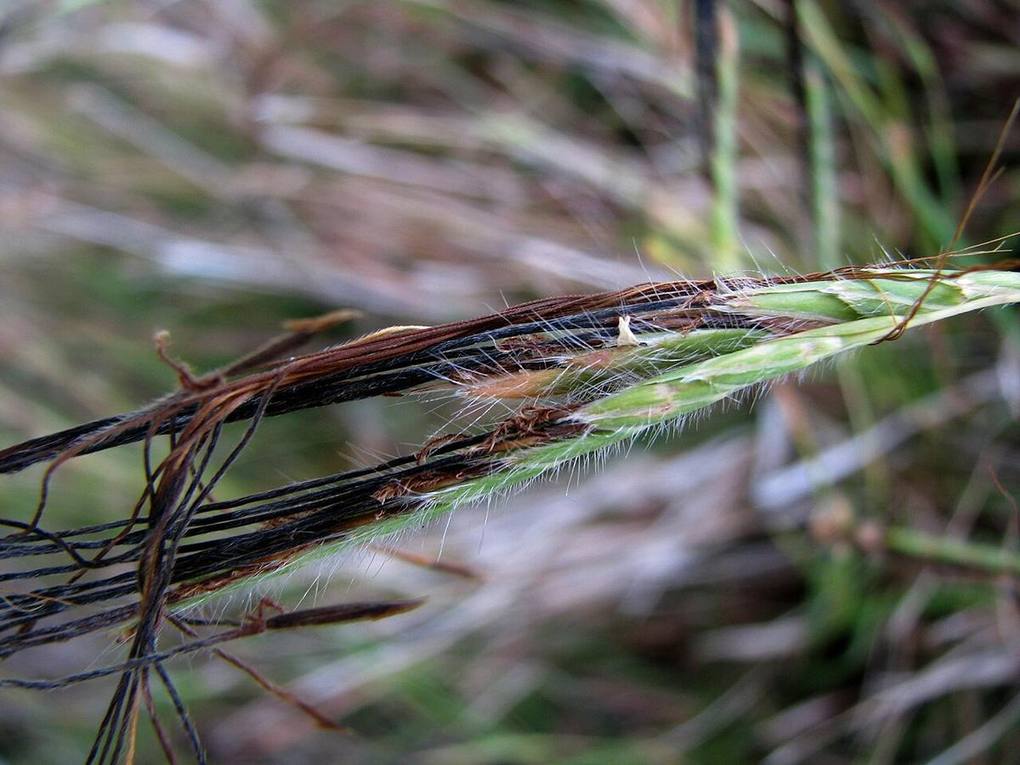
Grass is not one plant. It is a large family, and only some grasses are major pollen contributors in a given climate. The names below explain most regional patterns, without needing a botany degree.
Bermuda grass in the South and warm regions
In the South and other warm regions, Bermuda grass is a central warm-season grass. It thrives in heat, forms dense lawns and turf, and can produce pollen over a long warm season. A southern grass season therefore tends to start earlier and run later than a northern one, with heat sustaining it through the middle of summer.
Timothy and bluegrass in the North
In northern and cooler regions, timothy and bluegrass are among the grasses most often named in regional pollen discussions. Timothy is common in meadows, hay fields and roadsides, while bluegrass is a familiar lawn and pasture grass in cooler climates. Their strongest period is more likely to fall in late spring and early summer, which fits the June and July peak described in regional calendars.
Between those poles, many other grasses add local weight, including ryegrass, orchard grass, fescues and Johnson grass in suitable areas. A University Hospitals pollen allergens library page lists Timothy, Johnson, Bermuda, orchard and some blue grasses among wind-pollinated grasses that can cause allergic reactions. People sensitive to one grass may react to others as well, because grass pollens share similar proteins — a pattern allergists describe as cross-reactivity. For general information, the useful point is simpler: a grass season in a hot southern city is driven by a different cast of plants from a grass season in a cool northern city, even when the index scale used to report them is the same.
| Region | Main grasses named | Typical pattern |
|---|---|---|
| South and other warm regions | Bermuda grass | Earlier start and a longer warm season |
| Northern and cooler regions | Timothy and bluegrass | Strongest in late spring and early summer, fitting the June and July peak |
| In between | Ryegrass, orchard grass, fescues and Johnson grass, where suited | Local grasses add weight to the overlapping waves |
It is also worth noting how thin clear explainer coverage of this season remains compared with the attention given to spring trees and fall ragweed. Grass sits in the middle of the year, its sources are everywhere and hard to photograph as a single villain, and its season overlaps holidays and outdoor sports. That gap is one reason a daily local number helps more for grass than a general seasonal article alone can.
Why grass counts swing from day to day
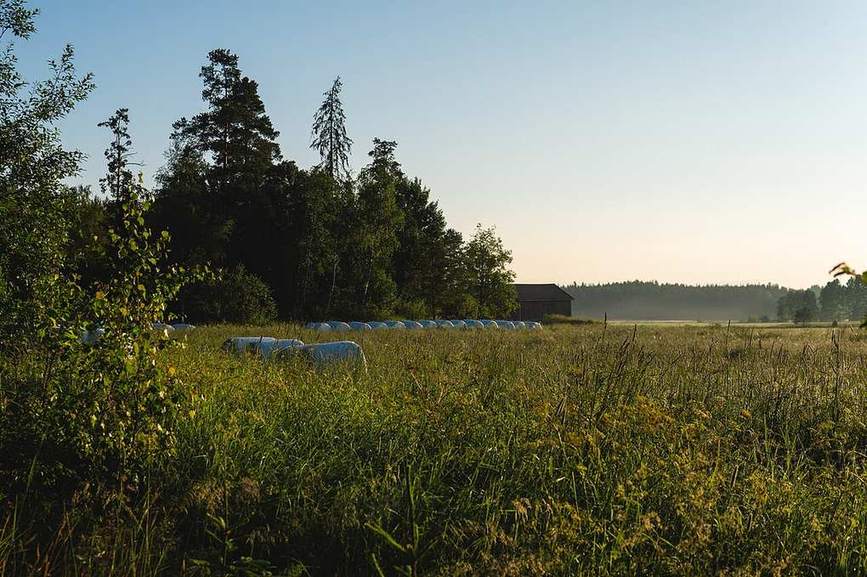
Grass pollen release follows weather and the clock. Warm, dry and breezy days favour release and spread, and levels are often higher during the daytime, particularly late morning and afternoon, as air warms and moves. Rain can bring a clear short-term drop by washing grains from the air and keeping plants from releasing, but the relief may not last once fields dry and growth resumes.
Mowing and other local swings
Mowing is the local factor people notice most. Cutting a lawn, a sports field or a roadside verge disturbs flowering grass at ground level and puts pollen and plant fragments into the air exactly where walkers, runners and players are breathing. A neighbourhood can therefore feel worse on a mowing day than a nearby district where cutting happened earlier in the week, even if the citywide index is unchanged. Fresh growth after rain can have the opposite timing problem a week or two later, producing a greener landscape and a fresh round of flowering stems.
Humidity, wind direction and surrounding land use add further swings. A city surrounded by pasture and open fields will import more grass pollen on a breezy day than a dense downtown surrounded by buildings and paving. That is why two people comparing notes across the same metro area can honestly report different experiences on the same day.
Reading the season in four different cities
The Midwest is a good place to see the classic summer pattern. The Chicago, Illinois pollen page covers a large lakeside metro where lake breezes can change a day, while inland fields contribute on warmer winds. Further north, the Minneapolis, Minnesota pollen page shows a cooler-climate version, where the season may start later but build through early summer as northern grasses flower together.
Mountain timing adds another wrinkle. The Denver, Colorado pollen page reflects a higher, drier setting where surrounding grassland, irrigation and altitude all shape when local grasses grow and release. In the lower Midwest, the Columbus, Ohio pollen page offers a useful comparison point for a city ringed by lawns, fields and suburbs, where a warm June can bring a broad regional rise rather than a single local spike.
Seeing the season on the heatmap
To see those cities in a wider picture, open the Pollen Atlas heatmap and look at how colour moves across regions during June and July. A heatmap makes the seasonal migration easier to grasp than a list: the South often lights up first, the central states follow, and northern areas join as their grasses catch up. It also helps travellers, who may leave a city past its peak and arrive in one just entering its own.
Using a grass pollen count well
If the numbers are new to you, start with our guide to what a pollen count is, which explains how a count is turned into an index and why the same plant can produce very different readings on consecutive days. The American Academy of Allergy, Asthma & Immunology outdoor allergens guide explains the difference between a pollen count and a forecast and describes the National Allergy Bureau counting network. Then compare the Grass Index with the other indexes on your city page. In May, a rising grass reading may sit beside a falling tree reading; in August, grass may be easing while weeds build. The season you are actually in is the one with the rising index, not the one the calendar says should be ending.
For background on the wave that comes before this one, read our guide to tree pollen season. Putting the two together gives a cleaner picture of spring into summer: trees open the year, grasses carry it through the warmest months, and knowing the handover date in your city is often late May or June helps explain why symptoms change character rather than simply stopping.
Check in the morning, before outdoor plans are fixed. A Low day is a good window for a long ride, garden work or a picnic. A High day does not cancel summer, but it is information worth having before choosing a route through fields, a seat beside a freshly cut pitch, or an afternoon of yard work. This article is general information only and is not medical advice. If summer symptoms are strong every year or hard to pin to one source, a specialist can help sort out which grasses are relevant — you can find an allergist near you through the Pollen Atlas directory.
Frequently Asked Questions
When does grass pollen season start and peak?
Grass pollen season runs roughly May to August in much of the United States and peaks in June and July. Warmer southern areas can start earlier, while cooler northern areas often start a little later.
Which grasses cause grass pollen season?
Bermuda grass is a central warm-season grass in the South, while timothy and bluegrass are among the grasses most often named in northern regions. Ryegrass, orchard grass, fescues and Johnson grass add local weight in suitable areas.
Why do grass pollen counts change from day to day?
Grass pollen counts are usually higher on warm, dry and breezy days and lower during and just after rain. Mowing can also raise local exposure by disturbing flowering grass at ground level.
How can I check the grass pollen count in my city?
You can check the Grass Index for your city on PollenAtlas.com, where it is scored from 0 to 100. Several Moderate or High days in a row in late May usually mean the season is properly underway.
Conclusion: grass pollen season is the season of summer itself
Grass pollen season runs roughly May to August, peaks in June and July, and is driven by different grasses in different climates — Bermuda in the warm South, timothy and bluegrass in cooler northern regions, and many local grasses in between. Because its sources are the lawns, fields and verges of everyday life, it rewards a daily check more than almost any other pollen season. Plan your summer with the number in hand — get free pollen counts and forecasts for your city and for places worldwide at PollenAtlas.com, starting with today's Grass Index.