
Pollen and Wildfire Smoke: When Bad-Air Days Double Up
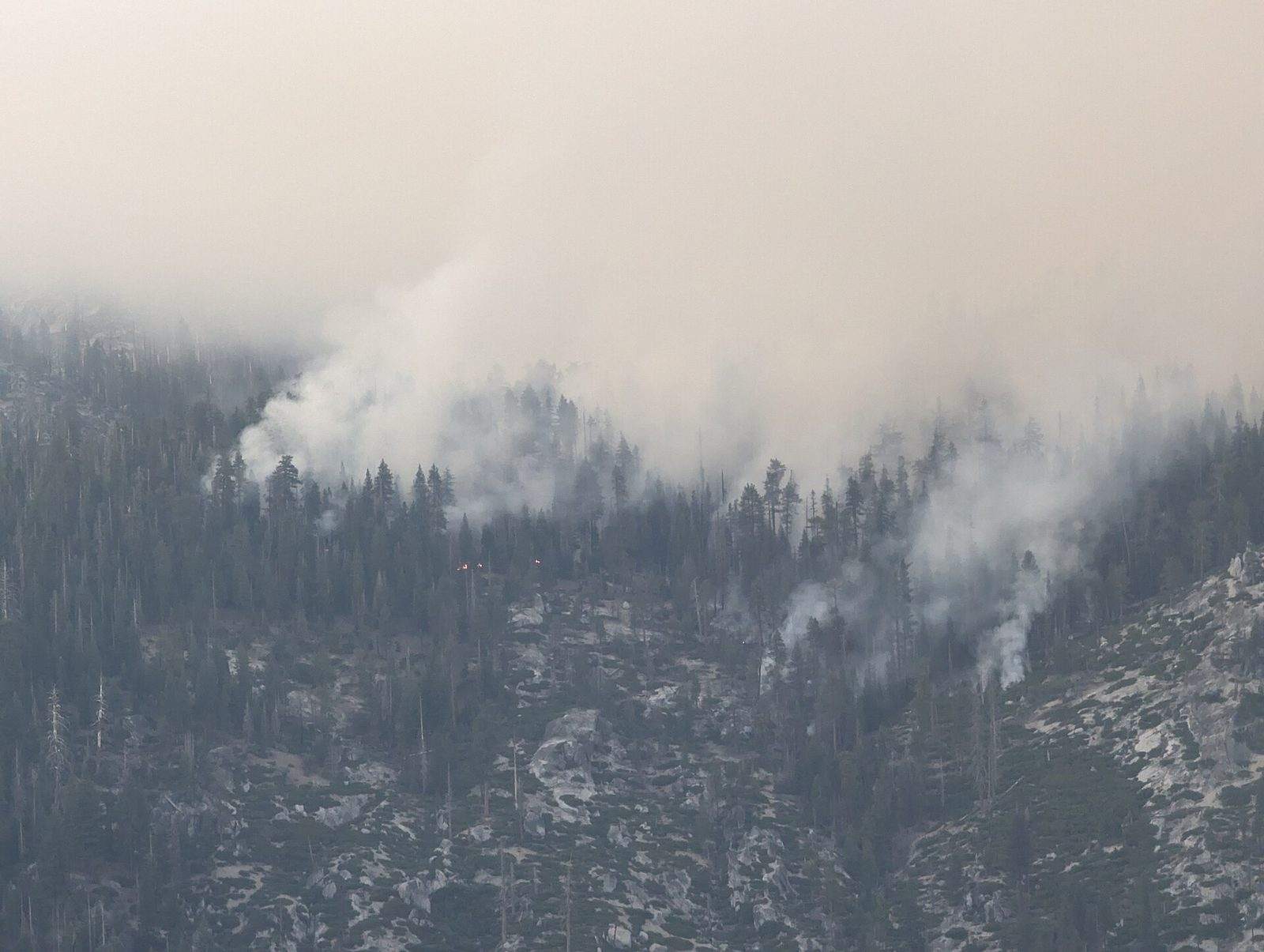
Pollen and wildfire smoke are two completely different things in the air — one is a living grain released by plants on a seasonal calendar, the other is combustion debris carried hundreds of miles from a fire — but they increasingly arrive together. Fire season in the West now stretches across months that used to belong to grass and weed pollen, so a single day can carry a high pollen index and smoke-hazed skies at once. When pollen and wildfire smoke overlap, a pollen number alone no longer describes the air.
Key takeaways
- Pollen and wildfire smoke are measured on different scales: pollen by grains and plant type, smoke by PM2.5 fine particles through the Air Quality Index.
- PM2.5 particles are 2.5 micrometres or smaller — far smaller than a pollen grain — and the EPA identifies them as the biggest health threat in smoke.
- Smoke can travel hundreds to thousands of miles from a fire, while pollen is overwhelmingly a local and regional material.
- Pollen Atlas data shows a moderate pollen day can be a terrible air day, and a smoke-free day can be brutal for pollen — neither number stands in for the other.
Pollen and Wildfire Smoke Are Measured Differently
Start with what each one is. Pollen grains are relatively large particles — typically tens of micrometres across — produced by trees, grasses, and weeds. A pollen count or index describes how much of that specific biological material is in the air, and which plants it came from.
PM2.5: the main threat in smoke
Wildfire smoke is a mixture of gases and particles from burning vegetation (and, when fires reach communities, burning structures and materials). The U.S. Environmental Protection Agency's page on Wildfire Smoke and Health identifies fine particulate matter — PM2.5, particles 2.5 micrometres or smaller — as the biggest health threat in smoke. PM2.5 is far smaller than a pollen grain, small enough to travel deep into the lungs, which is why smoke is tracked through the Air Quality Index rather than a pollen count.
Why size changes how each one behaves
That size difference also explains their different behaviours. Pollen follows a local, daily rhythm: released by nearby plants, lifted by morning warmth and wind, washed out by rain. Smoke follows a regional, weather-driven one: a plume can arrive from a fire in another state or another country, thicken or thin with wind shifts, and linger in valleys and basins under temperature inversions long after local conditions change.
Because the scales differ, one number cannot stand in for the other. A moderate pollen day can be a terrible air day, and a crystal-clear, smoke-free day in May can be brutal for pollen. Pollen Atlas city pages display AQI alongside pollen for exactly this reason — see the air quality overview for how the two displays sit together.
| Pollen vs. wildfire smoke | Pollen | Wildfire smoke |
|---|---|---|
| What it is | Living grains released by trees, grasses, and weeds | Gases and particles from burning vegetation and materials |
| Typical particle size | Tens of micrometres across | PM2.5: 2.5 micrometres or smaller |
| Read on | Pollen count or index, split by plant type | Air Quality Index (AQI) for particle pollution |
| How far it travels | Mostly local and regional | Hundreds to thousands of miles |
| Daily pattern | Seasonal calendar and local daily rhythm | Regional and weather-driven; can shift within hours |
Why Pollen and Wildfire Smoke Overlap More Often
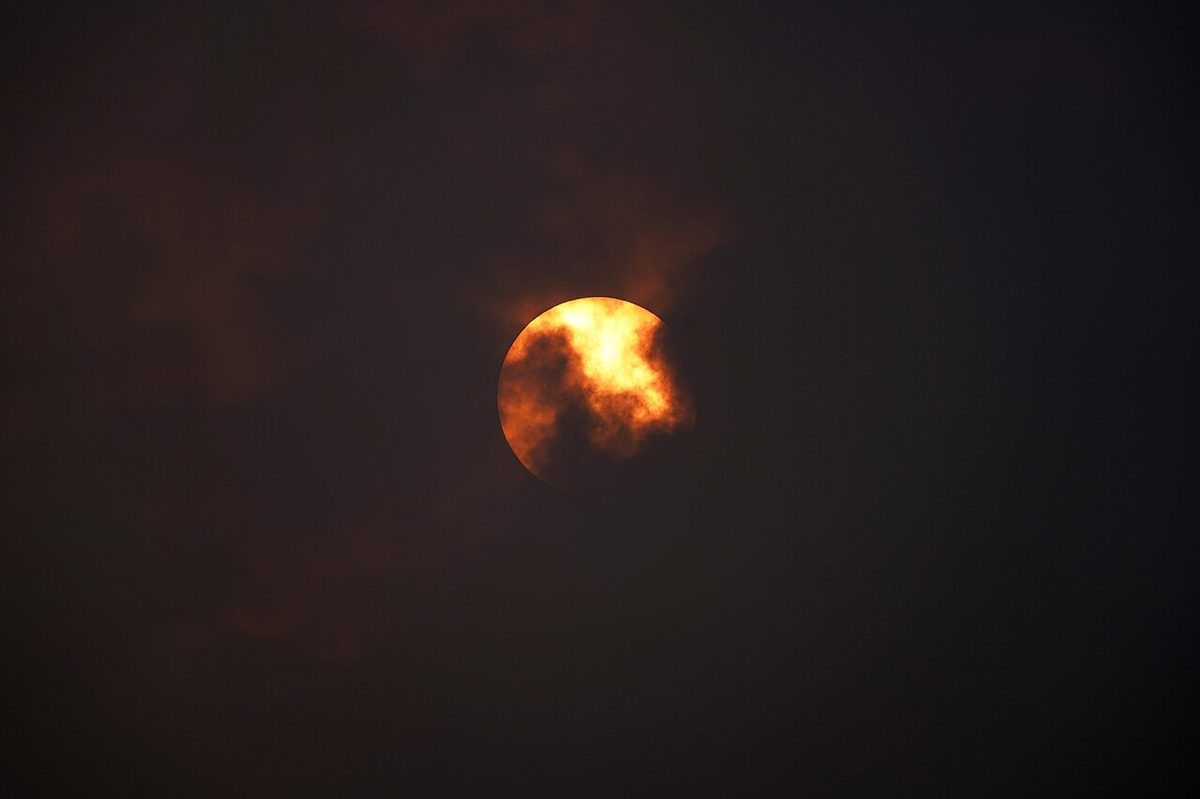
The overlap is a calendar problem. Historically, the worst western fire weather arrived in late summer and fall, after spring tree pollen and most grass pollen had faded. Longer, hotter dry seasons have stretched fire risk earlier and later, while pollen seasons themselves have lengthened at both ends in many regions. The result is more weeks each year when both hazards are active at once.
Western cities where the overlap hits hardest
Geography concentrates it. Consider the cities where Pollen Atlas readers feel this most: Sacramento, sitting downwind of Sierra and North Coast fires, and Fresno, in a San Joaquin Valley bowl that traps smoke, can stack smoke days on top of long grass and weed seasons. Phoenix combines desert pollen and dust with smoke drifting from regional fires, and Denver's Front Range air can receive smoke from across the West while its own tree and grass seasons run. The pollen heatmap shows the pollen half of that national picture; smoke has to be layered on top of it, not read from it.
The EPA's smoke course chapter, Why Is Smoke a Health Concern?, notes that smoke exposure effects depend on particle concentration, duration, and how deeply particles are inhaled — a different exposure logic from pollen, where the type of grain matters as much as the amount, because only the pollen you are sensitised to triggers an allergic response.
Smoke travels far; pollen stays local
Distance makes the overlap stranger still. The EPA's overview of wildland fires and public health effects notes that smoke can travel hundreds to thousands of miles and that smoke from fires in Canada and Mexico has blanketed large portions of the United States. Pollen, by contrast, is overwhelmingly a local and regional material: most grains land within a modest distance of the plant that released them, even if a fraction rides the wind much farther. So on a smoke day, the offending fire may be in another state entirely, while the pollen in the same lungful of air grew within a few miles of where you are standing. Two exposures, two geographies, one sky — and two different information sources needed to describe a single afternoon.
Reading a Double-Hit Day
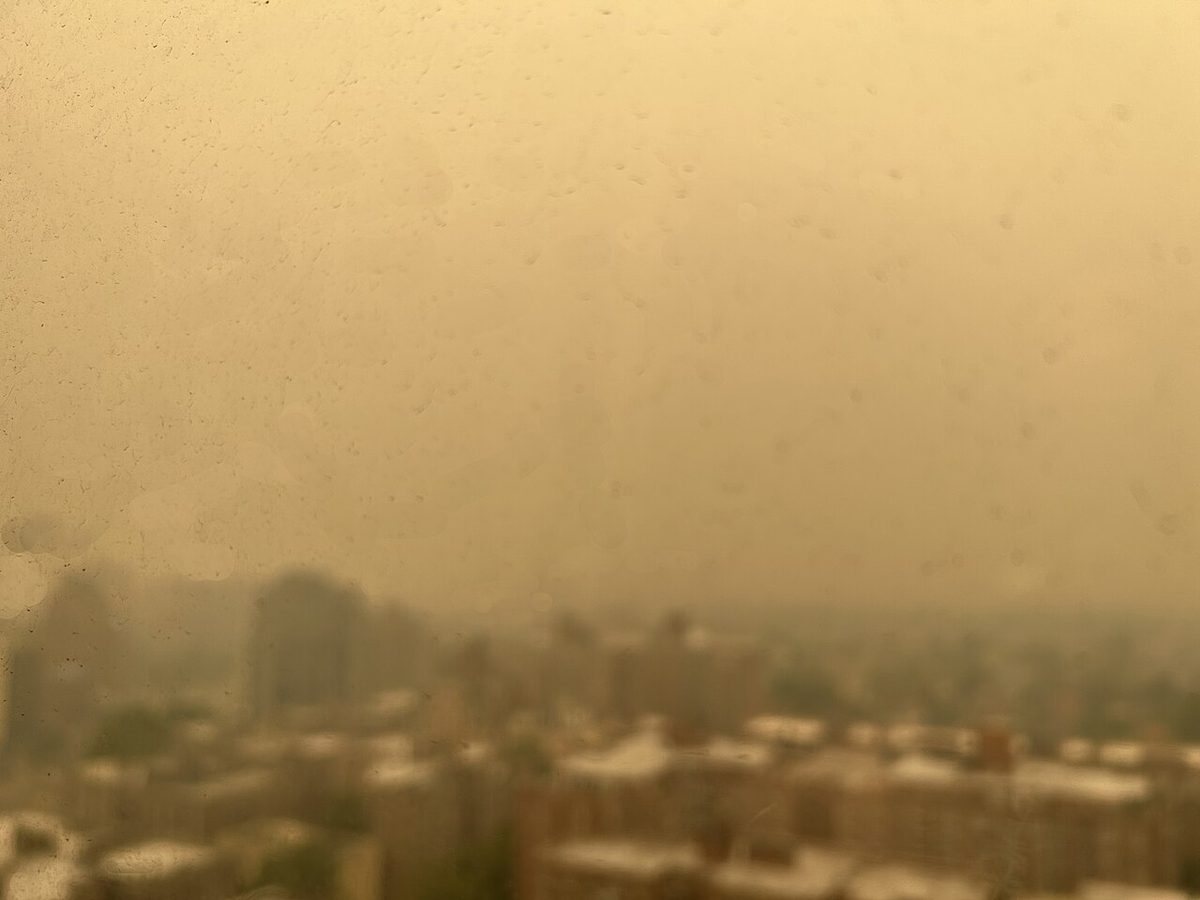
On an overlap day, read the two displays in order of what they change:
- Check AQI first for smoke. AirNow's guide to Using the Air Quality Index explains that the AQI is the EPA's colour-coded daily tool for how clean or polluted outdoor air is, with categories tied to groups that may be affected. Smoke drives the particle-pollution AQI.
- Then check the pollen split, not just the total. A smoke day with low tree and grass indexes is a different planning problem from a smoke day at the peak of your specific pollen season. Our explainer What Is a Pollen Count? walks through reading total, splits, and dominant allergen together.
- Watch the wind forecast. Pollen is mostly a same-day, local story; smoke can worsen or clear within hours when winds shift, so a morning reading may not describe the evening.
- Remember indoor air is the third variable. Smoke infiltrates buildings; pollen mainly enters through open windows and on clothing. The two overlap outdoors more completely than they do indoors.
One honest caution: research into whether smoke and pollen interact — for example, whether smoke-damaged pollen grains or smoke-irritated airways change allergic responses — is an active scientific topic, not a settled one. The well-established facts are the separate ones: smoke PM2.5 is a respiratory irritant for everyone, as the EPA documents, and pollen is an allergen for sensitised people. A double-hit day is best understood as two exposures adding up, and this article deliberately does not claim a proven multiplying effect beyond that. For a deeper read on the air-quality side, see our guide to the air quality index and allergies.
General Information for Smoke-and-Pollen Days
Widely published general information from agencies such as the EPA — not medical advice — frames double-hit days this way: reduce prolonged outdoor exertion when AQI is in unhealthy ranges, keep windows closed while smoke is present, and pay attention to local smoke advisories, which can change faster than pollen conditions. If breathing symptoms are part of your picture, that is a conversation for a clinician who knows your history. You can find an allergist near you through the Pollen Atlas directory.
Frequently Asked Questions
Is wildfire smoke the same thing as pollen?
No. Pollen is a living grain released by plants on a seasonal calendar, while wildfire smoke is combustion debris — a mixture of gases and fine particles from burning material.
Can pollen and wildfire smoke be high on the same day?
Yes. Longer fire seasons now overlap grass and weed pollen seasons, so a single day can carry a high pollen index and smoke-hazed skies at once, especially in western cities.
Which should I check first on a smoky day, AQI or pollen?
Check AQI first for smoke, because it reflects the particle pollution that affects everyone, then check the pollen split for your specific allergen. One number cannot stand in for the other.
How far can wildfire smoke travel?
Smoke can travel hundreds to thousands of miles, and the EPA notes that smoke from fires in Canada and Mexico has blanketed large portions of the United States. Pollen, by contrast, mostly lands within a modest distance of the plant that released it.
The Bottom Line on Pollen and Wildfire Smoke
Pollen and wildfire smoke double up when lengthening fire seasons collide with lengthening pollen seasons — two different particles, two different scales, one shared sky. Read AQI for the smoke, read the pollen split for the allergen, and never let one number talk you into ignoring the other.
Check both before you head out — free pollen counts and forecasts for your city, worldwide, at PollenAtlas.com.