
Desert Broom Pollen: The Fall Bloom Behind the White Fluff
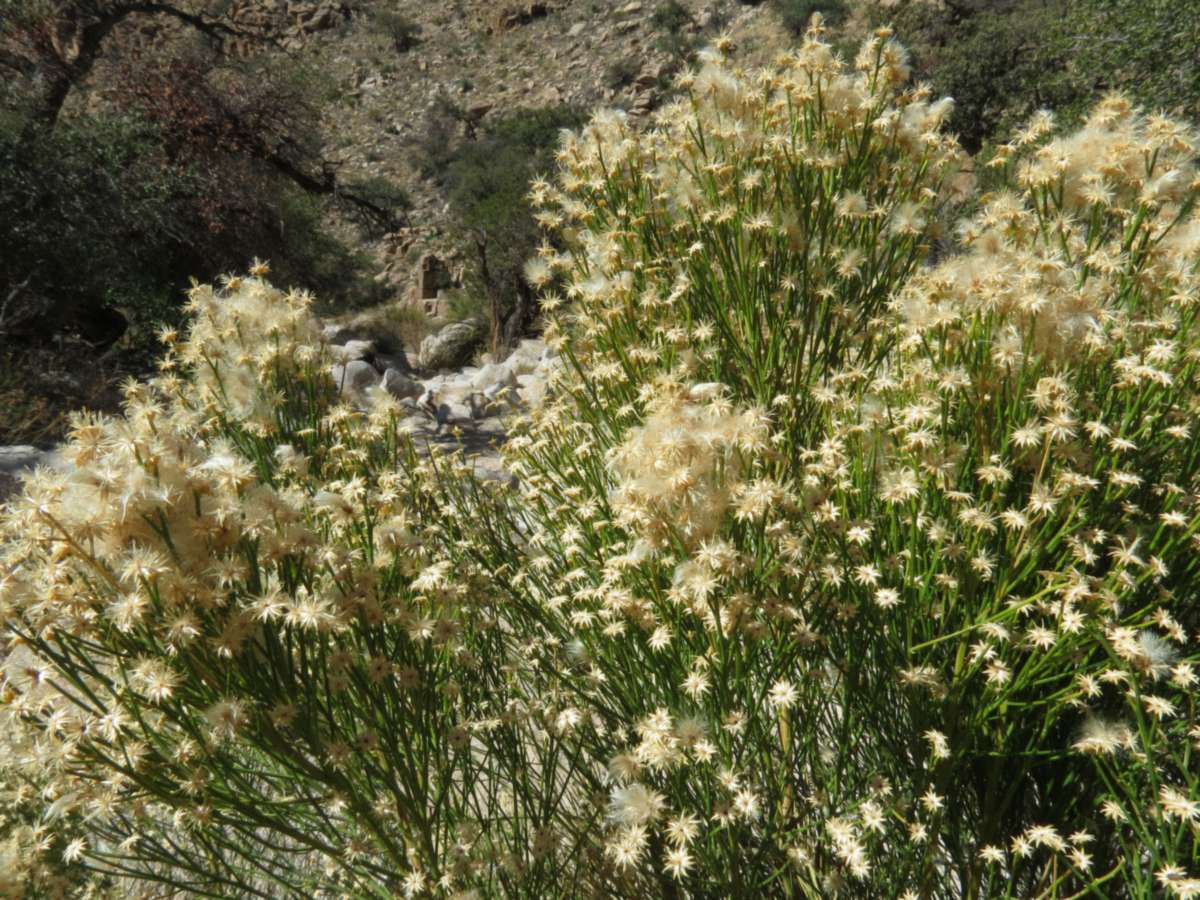
Every autumn in Tucson and Phoenix, the washes and roadsides fill with white. Desert broom shrubs along the trails turn cottony, the fluff drifts across sidewalks, collects in doorways, and floats through the air in visible clouds — and all over the Sonoran Desert, people start sneezing and blaming the fluff. It is one of the region's great allergy mix-ups, because the fluff is innocent. Desert broom pollen is real, and it does trouble sensitive people — but it comes from different plants, in a different month, invisibly. The most photographed fall "allergen" in Arizona causes almost none of the misery attributed to it.
Key takeaways
- Desert broom (Baccharis sarothroides) is dioecious — male and female flowers grow on entirely separate plants. Only the male shrubs make pollen; only the female shrubs make the famous white fluff.
- The fluff is seed: downy seeds that ripen in fall and winter and drift through the air much like snow — too large, too feathery, and made by the wrong sex of plant to be the season's airborne allergen.
- The sequence runs pollen first, fluff after: the male plants release their pollen in the fall, and the seed release follows into the winter months, inside a blooming season that runs from around September into January.
- Desert broom reports to the weed index while juniper — the season's partner in confusion — reports to the tree index; watching which line your symptoms follow separates the two.
- A garden planted with female shrubs gets the butterflies and the fluff without contributing a grain of pollen, because the sexes can be chosen — though a shrub's sex is only obvious in bloom and seed.
A Shrub With Separate Sexes and a Public-Relations Problem
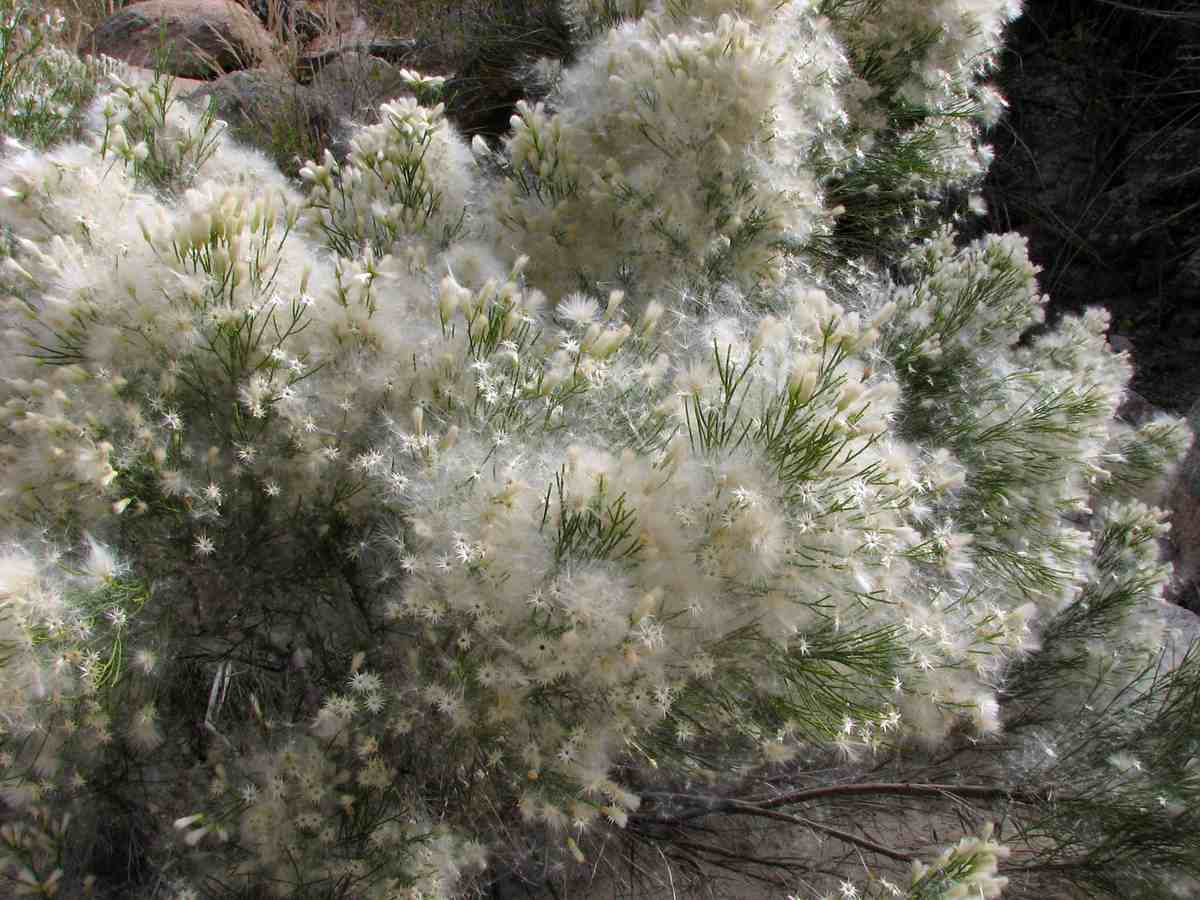
Desert broom (Baccharis sarothroides) is a native pioneer of the Sonoran Desert — a fast, wiry shrub of washes, roadsides, vacant lots and disturbed soil, the first green thing to claim ground after grading or flood. Arizona State University's plant profile describes its defining arrangement: the species is dioecious, meaning male and female flowers grow on entirely separate plants. Only the male shrubs make pollen. Only the female shrubs make the famous fluff — downy seeds that ripen in fall and winter, pour off the plants in cottony masses, and ride the wind for miles, drifting through the air much like snow.
So the visible white clouds are seeds: too large, too feathery, and made by the wrong sex of plant to be the airborne allergen of the season. The pollen is the invisible output of the unremarkable male shrubs flowering a few weeks earlier — small yellowish flower clusters nobody photographs. The genus's allergen information sheet is precise about the pollen itself: although insects do much of the pollinating, considerable Baccharis pollen still gets into the air, where it can affect allergic patients. The shrub's public-relations problem is thus complete. The part everyone sees is harmless; the part nobody sees is the one that counts — literally, on the region's fall counts.
The plant itself is hard to miss once you know it: a many-branched, broom-like shrub up to about ten feet tall, kept green through the desert year by its rush-like stems when the leaves are small or absent. It is in the sunflower family — the same vast clan as ragweed and cocklebur — which is why botanists were never surprised that its pollen could be potent; the family specialises in airborne troublemakers. Baccharis is a big genus across the Americas, and desert broom's coastal relative, groundsel tree, runs the same male-pollen/female-fluff routine along the Atlantic and Gulf marshes. The Sonoran species is simply the desert's edition of a family strategy: wind for both jobs, pollen first, seeds after, and let the humans sort out which white cloud was which. Each female flower finishes as a seed crowned with a tuft of silky hairs — a parachute engineered for exactly the slow, visible drift that fills Tucson's winter air. It is beautiful equipment, and it is seed equipment; mistaking it for pollen is like blaming the parachute for the paratrooper.
When Desert Broom Pollen Is Actually in the Air
The flowering season runs through fall into winter, and the sequence matters. As the National Park Service's account of the broom's bloom lays out — a season running from around September into January — the male plants release their pollen in the fall, and the seed release that fills the air with white comes after, into the winter months. Between the two events there is a gap of weeks — which is why Tucsonans can sneeze through a perfectly clear October, then watch the fluff drift by in December with their symptoms already gone and conclude, wrongly but understandably, that they had it backwards.
The timing also gives desert broom a partner in confusion: juniper. Desert broom's bloom coincides with the start of juniper pollen season in the desert Southwest — and juniper is a major, genuinely airborne winter allergen in the region, the headliner of the desert's cold-season counts and a familiar entry in our Phoenix pollen coverage. Fall in the Sonoran Desert stacks the two: broom pollen from the male shrubs, juniper ramping up behind it, the whole wrapped in a visual spectacle of seed fluff that belongs to neither. Sorting out which one owns your symptoms is a testing question, not an eyeball question — and it is exactly the kind of local-flora question a desert allergist answers routinely; finding an allergist in the region is the reliable route. This article is general information only and is not medical advice.
The two also separate neatly on the page, which gives the curious a home diagnostic of the honest kind. Desert broom reports to the weed index; juniper reports to the tree index. A Tucson sufferer whose bad October and November days track the weed line is looking at the broom-and-weeds story; one whose worst stretch arrives with the winter tree line, when the broom has gone to fluff, is looking at juniper. Watching which index your symptoms follow — across a few weeks, not a single day — turns the desert's most muddled season into a readable one, and it is the kind of pattern an allergist can confirm in a single visit. The fluff will drift through both stories, belonging to neither, photogenic and innocent.
| Event | When | What it actually is |
|---|---|---|
| Male shrubs flower | The fall | Small yellowish flower clusters; the season's real pollen, largely invisible |
| Female shrubs release seed | After the pollen, into the winter months | The famous white fluff — seed, not pollen |
| Juniper pollen season starts | Coinciding with the broom's bloom | A genuinely airborne winter allergen, reported on the tree index |
Reading Desert Broom Pollen Country
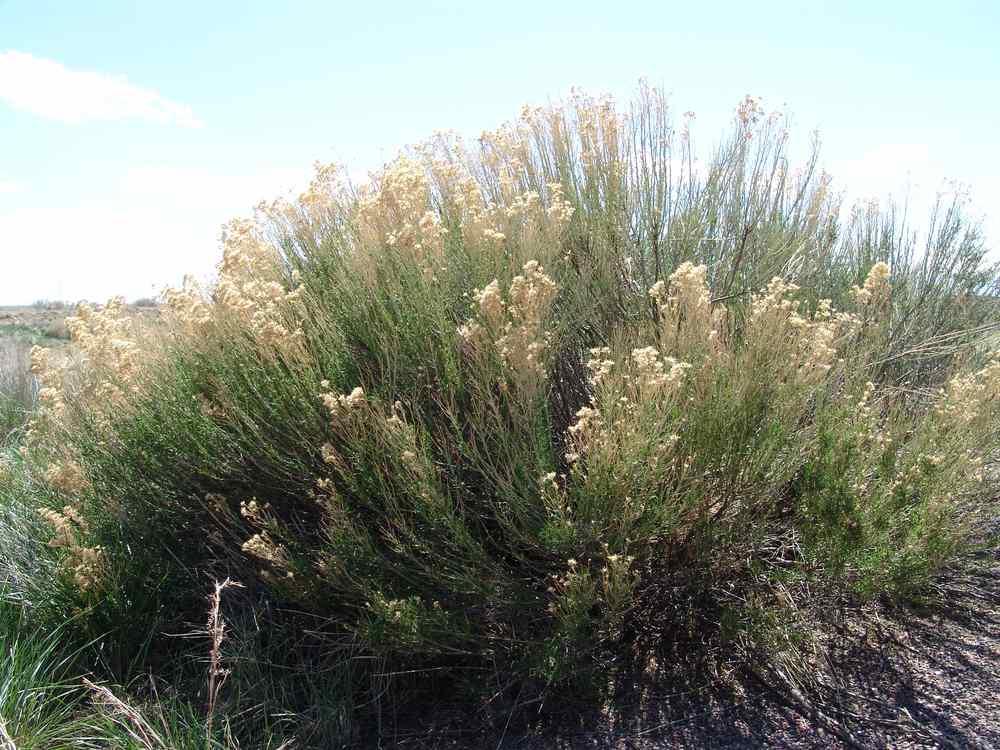
None of this makes desert broom a villain in its own habitat. It is a native workhorse — stabilising raw soil, sheltering young cacti, and feeding an astonishing fall insect season. Dozens of butterfly species have been counted on a single blooming plant. The same fall bloom that loads the air feeds the desert's pollinators at the leanest time of year.
That dual role explains the local argument about it, which any Tucson gardener can recite. On one side, the broom is a weedy nuisance: it colonises every scraped lot, its fluff clogs pool filters and coats patios, and its pollen troubles a share of the population — some desert landscapers pull it on sight and a few communities discourage planting males anywhere near homes. On the other side, native-plant gardeners defend it as exactly what a desert garden should hold in October: green structure, butterfly traffic, and a plant that asks for no irrigation at all. Both sides are describing the same shrub accurately. The allergy-relevant refinement is that the sexes can be chosen — a garden planted with female shrubs gets the butterflies and the fluff without contributing a grain of pollen, which may be the most Tucson compromise imaginable: keep the snow, skip the sneeze. Whether a given shrub is male or female is only obvious in bloom and seed, which is why the desert's brooms keep their secret until fall — and why, by the time the fluff tells you a female lives nearby, the males have already spoken.
Pollen Atlas data shows the season's shape in the counts: the weed index across Tucson, Phoenix and El Paso holding stretches in the Moderate band through the fall, with the desert's combined late-year load — broom among the weeds, juniper rising on the tree side — making autumn a genuine second season in the region's fall allergies picture. On the heatmap, the Sonoran cities glow in November while most of the country has gone quiet. The fluff, when it comes, is just the visible signature of a season that has been running for weeks.
Frequently Asked Questions
Is the white fluff desert broom pollen?
No. The fluff is seed — downy seeds produced by the female shrubs, ripening in fall and winter and pouring off the plants in cottony masses. The pollen comes from the male shrubs, flowering a few weeks earlier in small yellowish clusters nobody photographs.
When is desert broom pollen actually in the air?
In the fall. The blooming season runs from around September into January, with the male plants releasing their pollen first and the seed release that fills the air with white coming after, into the winter months — which is why the sneezing and the fluff so rarely coincide.
How can I tell desert broom pollen apart from juniper?
Watch which index your symptoms follow. Desert broom reports to the weed index and juniper to the tree index, so bad October and November days tracking the weed line point to the broom-and-weeds story, while a worst stretch arriving with the winter tree line points to juniper. An allergist can confirm the pattern with testing.
Can a garden have desert broom without the pollen?
Yes — plant female shrubs. Because the species is dioecious and only the males make pollen, a garden planted with females gets the butterflies and the fluff without contributing a grain of pollen. The catch is timing: a shrub's sex is only obvious in bloom and seed, so the choice is made easiest in the fall.
So blame the broom correctly: not the snow-white seed clouds in the doorway, but the quiet male shrubs flowering in the fall air a month before them. Desert broom pollen is the desert's reminder that the allergen you can see is usually not the allergen there is. The fluff arrives last; the pollen was there first — see the season coming with free counts and forecasts for Tucson, Phoenix, El Paso and cities worldwide at PollenAtlas.com.