
San Ramon, CA Pollen Count
San Ramon, CA · Last updated Friday, November 6, 2026
This page shows the most recent reading available for San Ramon — from Friday, November 6, 2026 (1 day ago) — not today's reading.
Pollen Overview
Today's overall pollen level and the dominant type (trees, weeds, grass, or mold).
Total Pollen Index
The combined pollen level across all types (0–100).
San Ramon, CA
Weeds Index
How active weeds pollen is today (0–100).
San Ramon, CA
Pollen Types
Pick a pollen subtype to update the species forecast
5-Day San Ramon Overall Pollen Forecast
Bars are colored by severity (Low/Moderate/High).
Pollen count San Ramon residents check each morning
The San Ramon pollen count today is 22 (Low). The main driver is Ragweed, with weed pollen at 22 today. Tree pollen is the highest single category in the split at 25 (Low), ahead of weed pollen at 22 and grass pollen at 1. Below, the plant detail and the multi-day outlook show whether today is the pattern or the exception. Pollen Atlas updated this count on Friday, November 6, 2026.
A Low band on the Pollen Atlas index means the Total Pollen Index has stayed in the lower part of the 0–100 scale. Readings in this band are built from low individual category values rather than from one large spike, and the category split above matters more than the headline number: a low total can still contain one category, such as tree pollen, reading noticeably higher than the rest, which is why the split is printed on every San Ramon page.
Fall is ragweed season across most of the United States: ragweed plants release pollen from late summer into autumn, and weed pollen is typically the last major outdoor pollen category to fade as the weather cools. That pattern is why an autumn total is so often weed-led even when the headline number is low — tree and grass pollen have usually receded by then, leaving weed pollen, and on damp days mold, to make up most of what the index records.
To see whether today’s pollen level holds, check the 5-day San Ramon pollen forecast below — it is currently mixed, with Friday the highest day in the window.
This is the pollen count San Ramon residents check each morning, built from the day’s tree, grass, weed and mold readings.
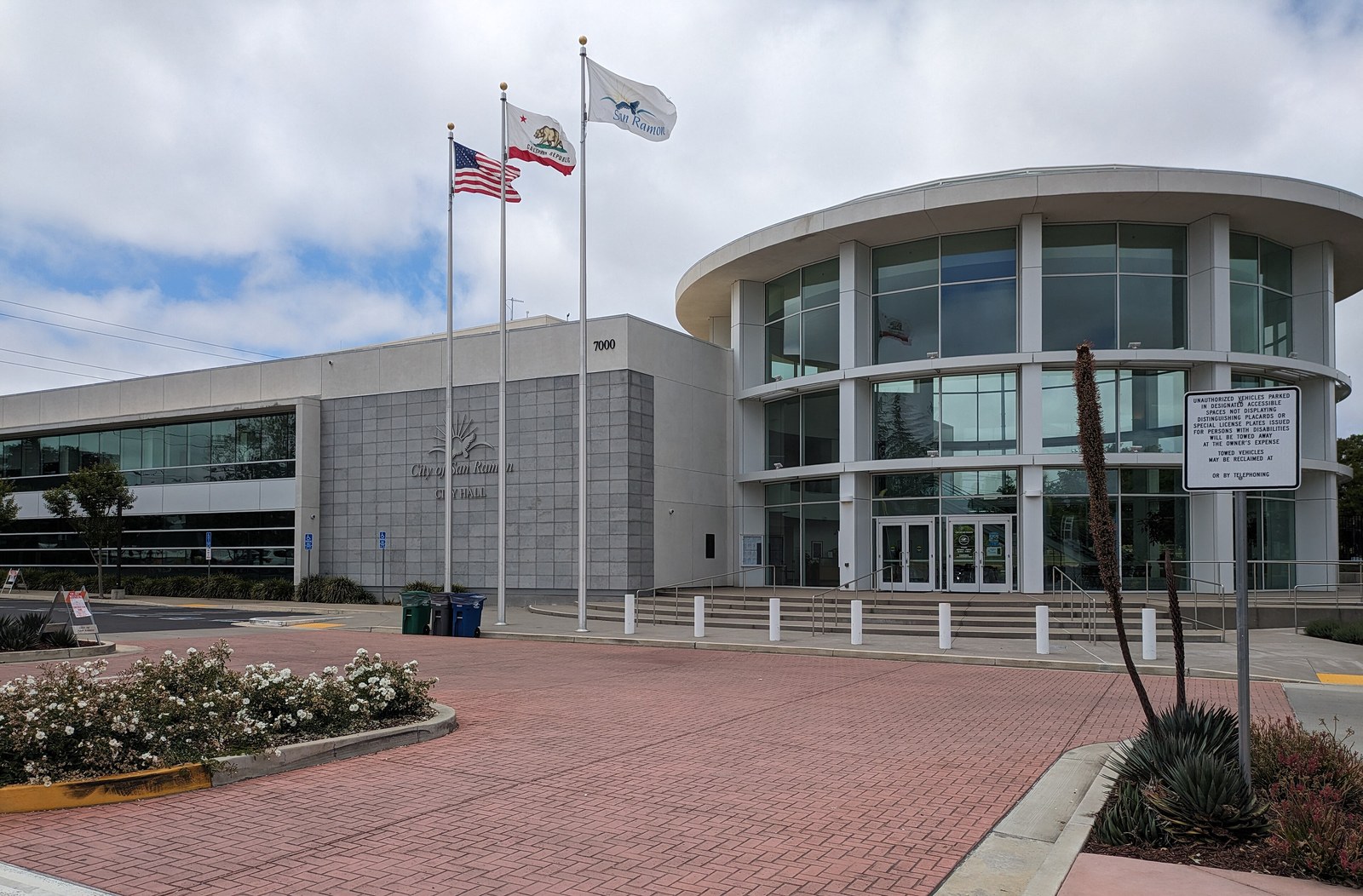
What is the San Ramon pollen count today?
The San Ramon pollen count today is 22 out of 100 (Low) on the Pollen Atlas Total Pollen Index, driven mainly by Ragweed.
Short answer for anyone searching pollen count today San Ramon: this page is updated every morning with the day’s modelled reading.
San Ramon allergies today
San Ramon allergies today are set by the same reading as the pollen count above: the Total Pollen Index is 22 (Low), driven mainly by Ragweed. When people ask about San Ramon allergies, this is the number that answers them — one daily index built from today’s tree, grass, weed and mold readings for San Ramon.
Allergies in San Ramon follow the California calendar set out below — the chapters, the plants behind them, and the 5-day forecast on this page show whether today is typical for the season or an exception to it. If you are checking allergies today in San Ramon before heading outdoors, the split at the top of this page is the part to read: it shows which pollen is doing the work today, not just how high the total sits.
Read the five-day table on this page as the San Ramon allergy forecast: today reads 22 (Low), and the day-by-day outlook shows whether San Ramon allergies are set to ease or build across the week — the days to plan outdoor time around are the ones where the index steps down, not just today.
In practice, the allergy count San Ramon today records is this same combined reading — tree, grass, weed and mold in one index.
The San Ramon allergy count today is 22 (Low) — the same Total Pollen Index as the pollen count above, in one combined reading.
Pollen count today San Ramon: the 5-day forecast
| Day | Total Pollen Index | Band |
|---|---|---|
| Friday, November 6 | 22 | Low |
| Saturday, November 7 | 21 | Low |
| Sunday, November 8 | 21 | Low |
| Monday, November 9 | 22 | Low |
| Tuesday, November 10 | 19 | Low |
Pollen Atlas forecasts San Ramon’s pollen count to peak on Friday at 22 (Low) over the next 5 days.
Pollen by type in San Ramon
What is driving San Ramon’s pollen today
The shape of today’s 22 (Low) is set by tree pollen at 25 (Low on its own scale) — about 52% of the four category readings added together, 3 points clear of the next category, weed pollen at 22. Tree readings are the fastest-moving of the four in their season, because species pollinate in sequence — a tree-led total can change character within a week. Tree pollen leading in November runs against the usual calendar — the California tree chapter runs February to May — so today’s lead is the model outranking the pattern, and this page reports the modelled reading first.
Plant-level detail is not in today’s feed for San Ramon, so the drivers have to be read from the category split above. The California guide’s account of California names planted olive and the Central Valley’s concentrated spring pollen — the pollens behind readings of this shape in this state — and the split shows how much of today’s total each category is actually carrying.
Across the five-day window the Total Pollen Index runs from 19 to 22, never changing band. Today’s 22 sits 1 point above the window’s average of 21 — a steady window, in which one day reads much like the next.
Plants affecting San Ramon now
Detailed plant-by-plant readings for San Ramon were not returned in today\u2019s source data, so this section summarises the pollen types the index above is built from instead of listing individual plants.
Tree pollen is one of the categories with a non-zero reading today, at 25 (Low).
Grass pollen is one of the categories with a non-zero reading today, at 1 (Low).
Weed pollen is one of the categories with a non-zero reading today, at 22 (Low).
In the California pattern, the plants that typically shape this city’s year are winter and spring trees, late-spring grasses and late-summer weeds — named here as regional context only, not as today\u2019s measurements.
Plant detail returns here automatically on any day the source data includes it.
Every pollen type, with photos and seasons: the pollen directory.
San Ramon pollen through the year
Three chapters make the California pollen year, and San Ramon follows them in the state’s own order. The tree chapter: trees build through spring, with planted olive peaking from March into May. The grass chapter: grasses peak in spring in the Central Valley and run longer and milder on the coast. The weed chapter: weeds follow in late summer and fall, stronger after wet winters.
There is no single California season: the Central Valley records some of the state’s sharpest spring peaks, trapped and concentrated by valley geography, while the coast runs long and mild. The AAFA’s 2025 Allergy Capitals research noted upward movement for several California cities, attributed to grass and weed pollen after wet weather. The California guide singles out planted olive and the Central Valley’s concentrated spring pollen.
November falls between the main chapters of the California pollen year — the tail of one and the approach of the next — so the calendar alone explains little today, and the modelled split above carries the story. Between them, the three chapters cover 9 months of the California year, February to October — leaving a quiet gap of roughly 3 months in the depth of the off-season. The full calendar is set out in the California allergy season guide.
How to read this index
Pollen Atlas reports the San Ramon pollen count on a Total Pollen Index from 0 to 100, built from separate tree, grass and weed readings. The total is a summary, not an average of the three: a single strong category can lift it, and three quiet categories can hold it down even in a month when San Ramon, CA pollen is usually more active. Index values are a modelled pollen risk index computed by Pollen Atlas from open weather, vegetation and phenology data, calibrated against CDC/NAB season data, with plant detail by the Google Pollen API. The index is a modelled 0–100 scale, not a measured count, and figures update through the day, so a morning and an evening visit to this page can legitimately show different numbers.
San Ramon in today’s national picture
At 22 (Low), San Ramon ranks joint 44134th of the 90896 cities Pollen Atlas tracks today — in the middle of the national table. The highest reading in the country today is Serpa, Portugal at 53, and the lowest is Galiakberovo, Russia at 5. The whole table spans 48 points today — a wide-open day, when the top and bottom of the table are effectively in different seasons.
Around San Ramon: Camino Tassajara, CA (3 miles away) reads 22 (Low); Blackhawk, CA (3 miles away) reads 22 (Low); Norris Canyon, CA (3 miles away) reads 22 (Low). San Ramon reads exactly level with its nearest tracked neighbour today. Across California’s 1602 tracked cities, today runs from 5 in Truckee to 42 in Mecca.
Pollen totals are population numbers; symptoms are personal. The same reading can leave one San Ramon resident untouched and floor another, depending on which pollens they are sensitised to. If this pattern finds you every season, allergists in San Ramon, CA can test whether tree, grass, weed or mold is the category that matters for you — the four readings at the top of this page are the starting point for that conversation.
San Ramon in its local area
San Ramon is a city in Contra Costa County, California. Its population is 85,734 (ACS 2023).
Across California’s 1602 tracked cities, San Ramon ranks joint 698th today.
Like every Pollen Atlas city page, the San Ramon, CA pollen count is refreshed each morning.
Nearby cities
- Camino Tassajara pollen count (3 miles away)
- Blackhawk pollen count (3 miles away)
- Norris Canyon pollen count (3 miles away)
- Danville pollen count (4 miles away)
- Dublin pollen count (4 miles away)
- Diablo pollen count (5 miles away)
From Pollen Atlas News
See how San Ramon ranks in today's pollen count rankings — the worst cities for allergies today
See San Ramon on the US pollen map
Pollen indexes: a modelled pollen risk index computed by Pollen Atlas from open weather, vegetation and phenology data, calibrated against CDC/NAB season data. Plant detail: Google Pollen API. Index values are modelled, not measured counts. Sources: CDC/NAB; USA-NPN; GBIF (CC BY); ESA WorldCover (CC BY 4.0).