
Sycamore Pollen: The Shade Tree Overhead All Spring
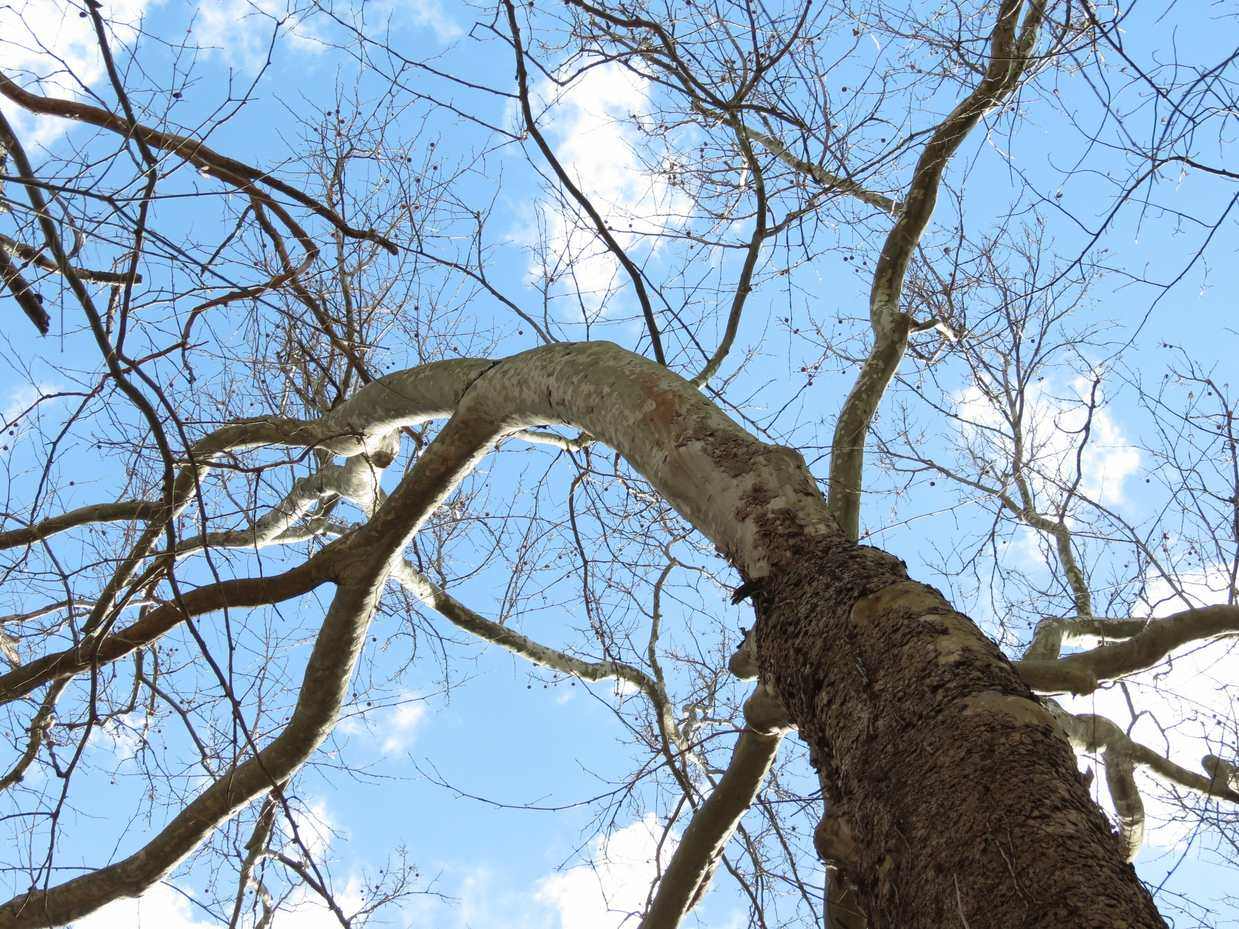
Stand on a city street in April, look up, and there is a fair chance the canopy above you is sycamore — and that sycamore pollen is part of what the day's count is made of. Sycamore pollen comes from one of the largest and most widely planted shade trees in the eastern United States, the American sycamore, and from its city-bred hybrid, the London plane, which lines streets from New York to California. Because these trees were planted precisely where people gather — streets, parks, campuses, and plazas — their spring pollen is released directly into the urban airspace.
Key takeaways
- Sycamore pollen is produced by the American sycamore (Platanus occidentalis) and the London plane, its hybrid with the Oriental plane, both planted heavily as urban shade trees.
- USDA Forest Service material describes the American sycamore as one of the largest eastern hardwood trees, native to riverbanks and rich bottomlands across the eastern United States.
- Pollen Atlas data shows sycamore contributing to spring Tree Index readings in eastern and midwestern cities, where plane trees form a large share of the street canopy.
- The American Academy of Allergy, Asthma & Immunology's National Allergy Bureau stations report plane-tree pollen through the mid-spring window, alongside elm, maple, and ash.
The trees behind sycamore pollen
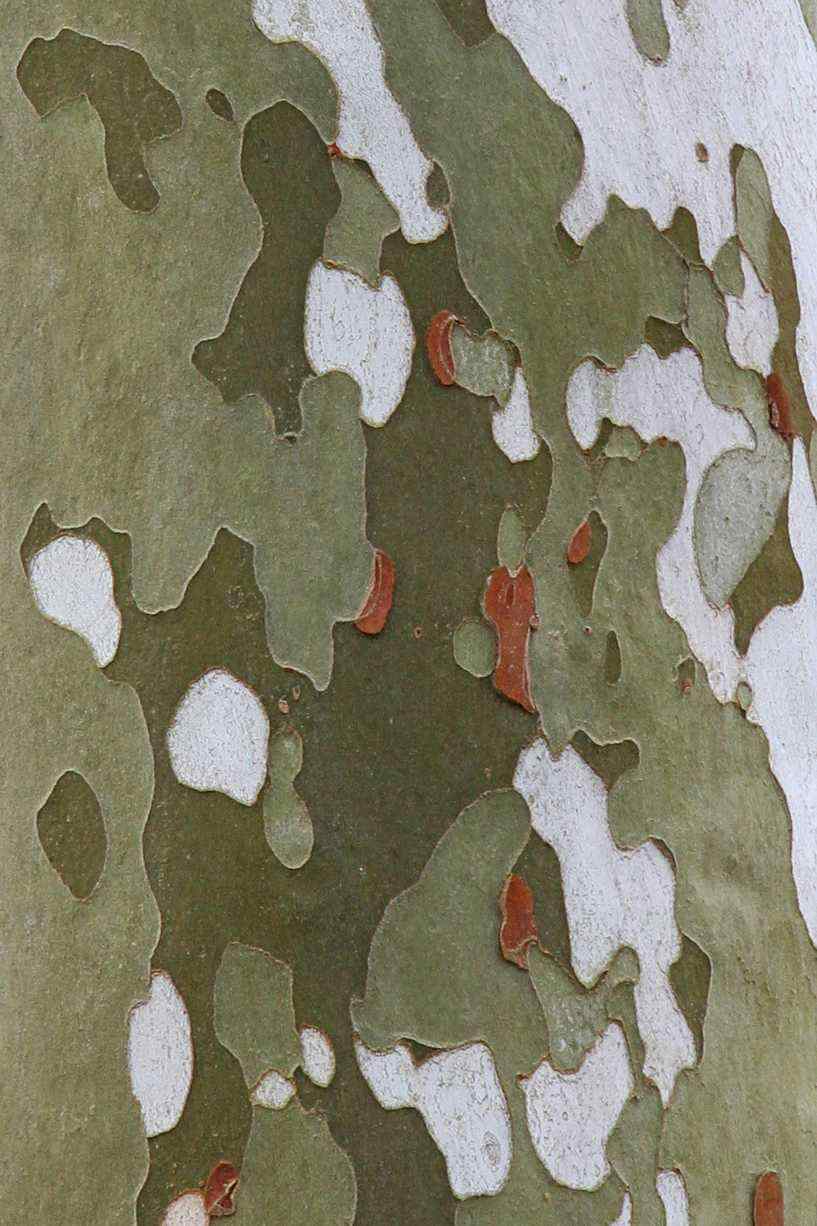
The American sycamore is unmistakable: a massive trunk with bark that flakes away in patches, leaving a mottled pattern of white, tan, and olive-green, and broad maple-like leaves. In the wild it belongs to rivers and floodplains, where it can grow into one of the largest trees in the East. In towns it was planted for the same qualities — speed, size, and shade.
The London plane: a hybrid built for cities
The London plane is a cross between the American sycamore and the Oriental plane, first recognised in European cultivation centuries ago and planted around the world since. It inherited the sycamore's vigour and a strong tolerance of city conditions — compacted soil, paved surroundings, and polluted air — which made it one of the default street trees of the modern city. New York's parks and streets are famously full of them, and many municipal planting lists treated the plane as the default large shade tree for decades. For pollen purposes, the hybrid behaves like its American parent: it flowers in spring and releases wind-borne pollen over the streets it shades, and counting stations generally report the family together as plane-tree or sycamore-type pollen.
Flowers in hanging balls
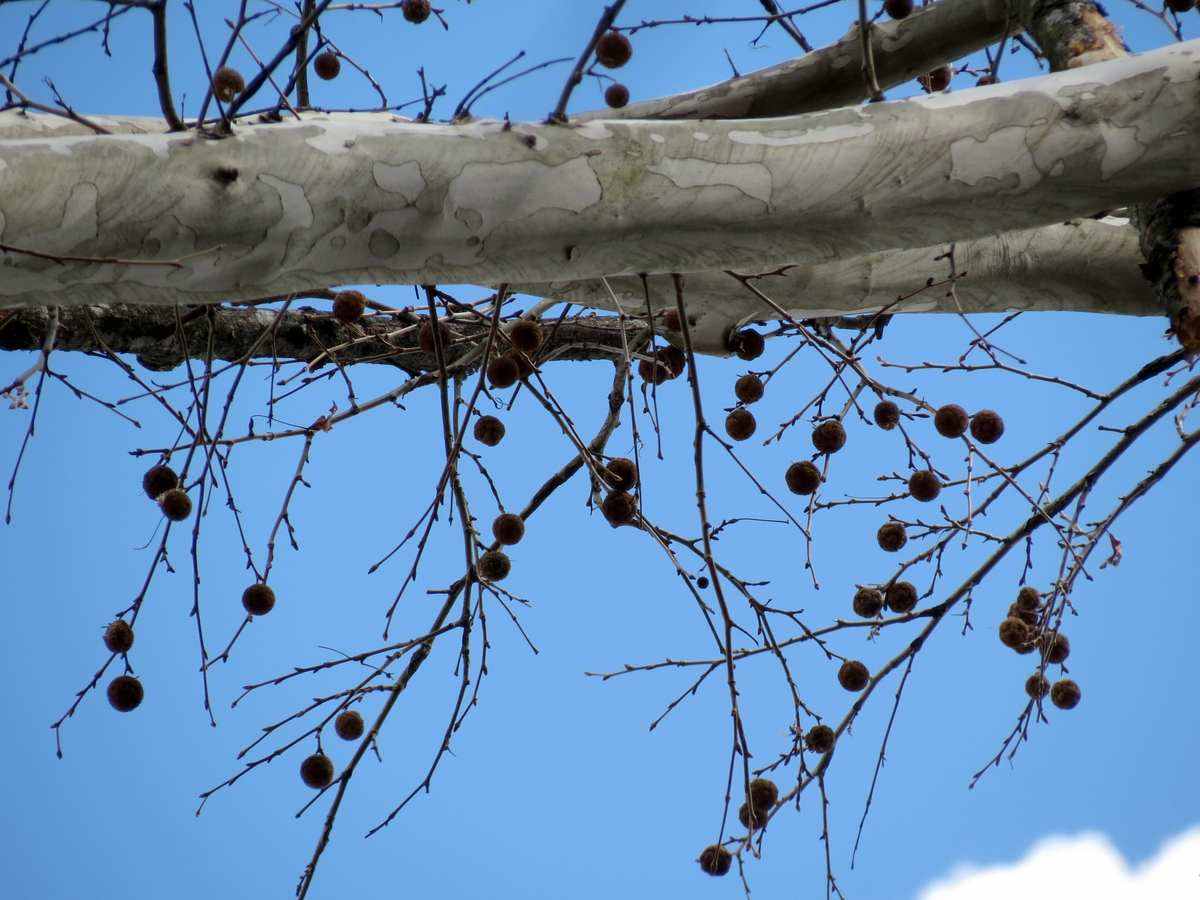
Sycamore flowers are unlike the catkins of the birch or oak families. Male and female flowers form in separate round balls that hang on slender stalks as the leaves emerge in spring — the same structures that mature into the familiar fuzzy seed balls that dangle through winter. The male balls release pollen to the wind over a window of a few weeks. The grains are small and travel readily through the canopy airspace of a planted street, which is why sycamore's contribution is best understood as a neighbourhood-scale phenomenon: a single planted avenue can define the local reading for the blocks around it.
When sycamore pollen season runs
Sycamore is a mid-spring pollinator. In the South its flowers can open in March; across the Mid-Atlantic and Midwest, April is the centre of the window; in the Northeast it runs from April into May. It arrives after the earliest elms and maples and alongside ash — a sequence our elm pollen guide and the wider tree pollen season overview both map in full.
| Region | Typical sycamore pollen window | Dominant trees | Canopy context |
|---|---|---|---|
| Southeast | March into April | American sycamore | River towns and planted streets |
| Mid-Atlantic | April into early May | Sycamore and London plane | Dense municipal plantings |
| Midwest and Ohio Valley | April into May | American sycamore | Bottomlands plus street trees |
| Northeast | April into May | London plane, sycamore | Park and avenue canopy |
City data reflects the planting map. On Philadelphia's daily pollen page, plane trees are part of the April tree blend in a city whose streets and parks carry a heavy sycamore heritage. New York's pollen page shows the London plane's contribution in the city that planted it most famously, and Columbus's pollen page reflects the Ohio Valley pattern, where wild bottomland sycamores add to the planted street trees.
Sycamore in the wider spring count
Sycamore rarely dominates a count the way oak can. Its role is that of a strong supporting player: a consistent mid-spring contributor that helps hold the Tree Index up through April, blended with ash, maple, and the rising oaks. The Asthma and Allergy Foundation of America lists plane trees among the spring pollen sources in its tree allergy resources, and the pattern in the data matches — sycamore-type readings appear reliably, in moderate amounts, across a wide band of eastern and central cities rather than spiking in a few.
Steady, not spiky
That steadiness has a practical consequence for people learning their own patterns: because sycamore overlaps so many other trees, its weeks are easy to misattribute. Per-plant detail is what separates a sycamore-driven April from an ash-driven one — the trees flower on similar schedules but not identical ones, and across several springs the difference becomes readable.
Reading sycamore pollen on Pollen Atlas
On Pollen Atlas, sycamore is tracked within the daily Tree Index on every city page — scored 0 to 100, Low from 0 to 33, Moderate from 34 to 66, and High from 67 to 100 — with per-plant detail showing when plane-tree pollen is a meaningful share of the reading. The national city rankings add the geographic view: in April, the cities near the top are usually canopy cities, and sycamore is part of that canopy across much of the East.
If your April symptoms are strong every year and you want to know which of the overlapping trees are involved, an allergist can test across the spring tree panel — search the Pollen Atlas Find an Allergist directory by city and specialty. This article is general information about a pollen pattern, not medical advice.
Frequently Asked Questions
When do sycamores release pollen?
Sycamores release pollen in mid-spring. Flowering opens in March in the South, centres on April across the Mid-Atlantic and Midwest, and runs into May in the Northeast, as the leaves emerge.
Is London plane pollen the same as sycamore pollen?
Effectively, yes — the London plane is a hybrid of the American sycamore and the Oriental plane, flowers on the same spring schedule, and its pollen is reported together with sycamore as plane-tree pollen by counting stations.
Why is sycamore pollen common in cities?
Sycamores and London planes were planted heavily as street and park trees because they grow fast, tolerate city conditions, and cast deep shade. Their pollen is therefore released directly over streets, campuses, and plazas where people spend their days.
How strong is sycamore pollen compared with oak?
Sycamore is usually a steady, moderate contributor rather than the dominant pollen of its weeks. Oak tends to produce the larger peaks, while sycamore helps sustain spring Tree Index readings through April in canopy-heavy cities.
Conclusion
Sycamore pollen is the urban spring in miniature: a magnificent, widely planted tree releasing its pollen over exactly the streets it was planted to shade. Recognising sycamore pollen in the April blend — rather than crediting every spring week to oak — is part of reading a city's season accurately. Check the pollen before it checks you — free counts and forecasts, worldwide: PollenAtlas.com
Sources
- USDA Forest Service, species and silvics material for Platanus occidentalis (range, size, and bottomland habitat of the American sycamore).
- American Academy of Allergy, Asthma & Immunology (AAAAI), National Allergy Bureau reporting on plane-tree pollen in spring counts.
- Asthma and Allergy Foundation of America (AAFA), tree allergy resources listing plane trees among spring pollen sources.