
Sagebrush Pollen: Fall's Signature Across the High Desert
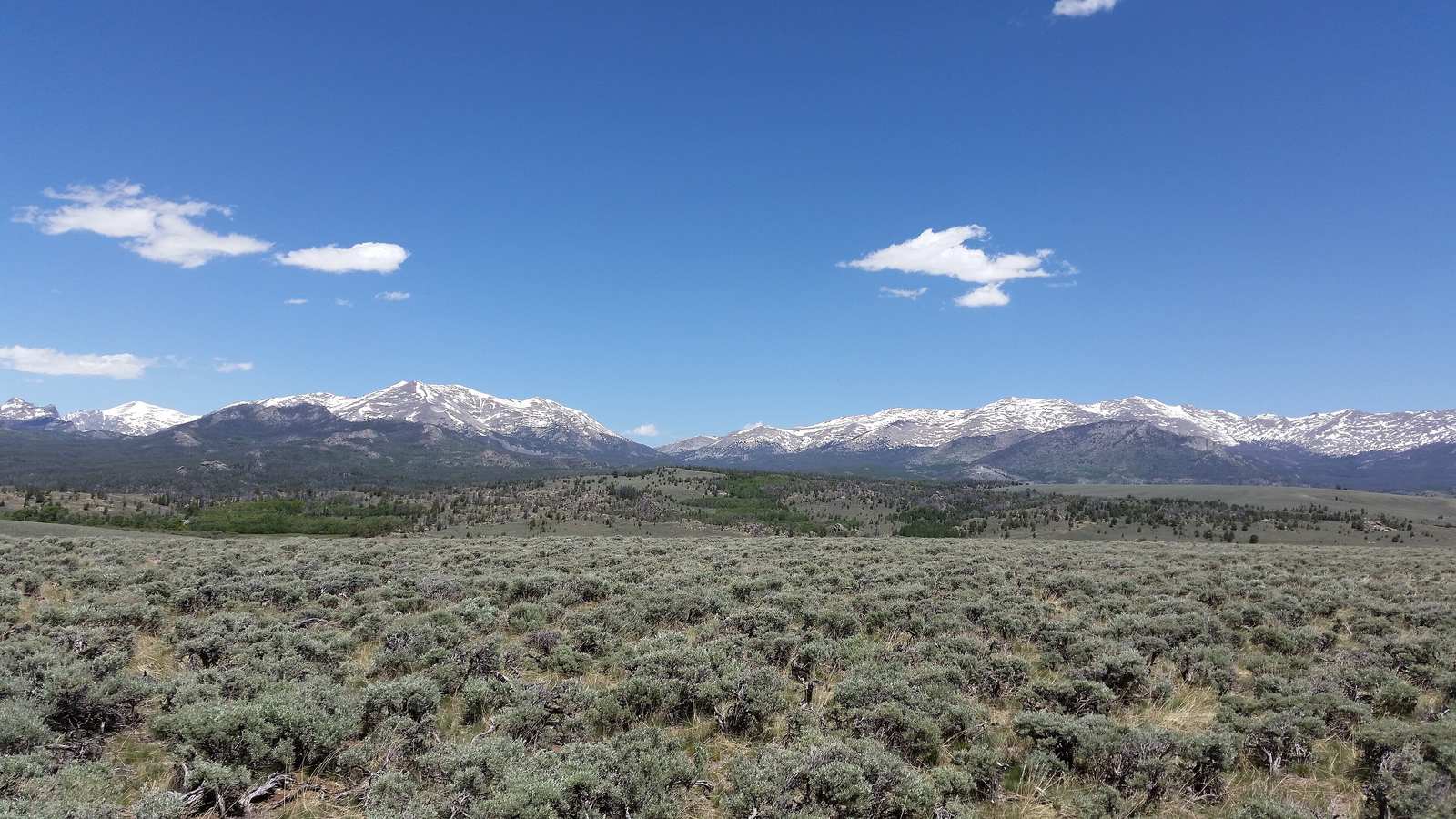
Sagebrush pollen is the Mountain West's answer to ragweed. Across the high desert — the sagebrush steppe that carpets the Great Basin, the Snake River Plain, and the foothills of the Rockies — big sagebrush blooms in late summer and fall, and its pollen carries on the same dry winds that define the region. It belongs to the genus Artemisia, which makes it a close relative of mugwort and a member of the same broad plant family as ragweed itself. For readers from Boise to Reno to the Colorado foothills, this is the fall pollen that matters most, and it follows a calendar all its own.
Key takeaways
- Sagebrush pollen comes from big sagebrush (Artemisia tridentata), the defining shrub of the high-desert steppe, which the USDA describes as covering vast areas of the Great Basin and Intermountain West.
- The bloom runs late summer into fall — generally August through October depending on elevation — reversing the spring pattern of most tree pollens.
- Sagebrush sits in the genus Artemisia alongside mugwort, and in the same plant family as ragweed; the AAAAI National Allergy Bureau counts Artemisia among the weed pollens tracked at western stations.
- Pollen Atlas data shows sagebrush driving Weeds Index readings across Boise, Denver's foothill edge, Spokane, and Las Vegas during the late-summer and fall window.
The shrub behind sagebrush pollen
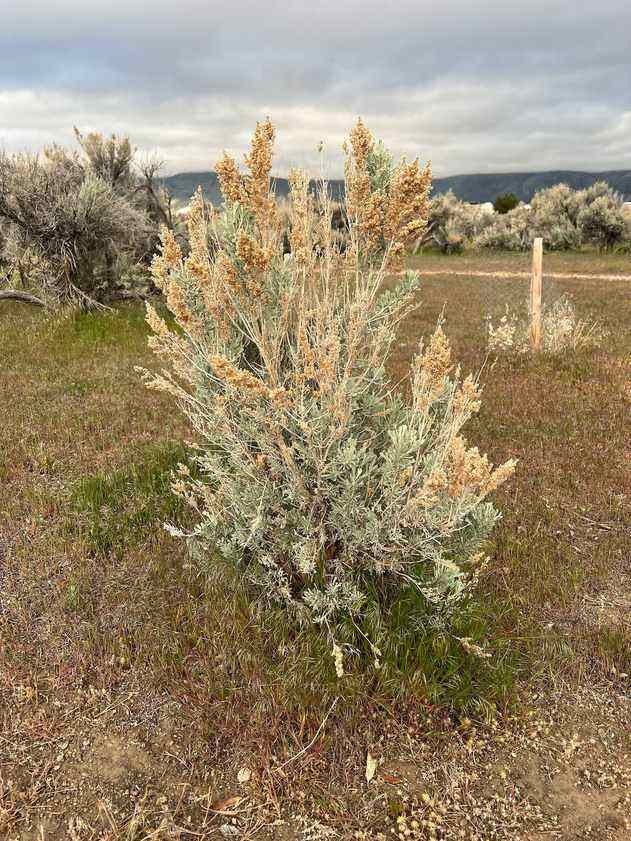
Big sagebrush is a gray-green, aromatic shrub, typically waist- to shoulder-high, with silvery wedge-shaped leaves and a gnarled, branching frame. The USDA Forest Service describes Artemisia tridentata as one of the most widespread shrubs in western North America — the backbone plant of the sagebrush steppe, an ecosystem that rolls across Nevada, Idaho, Utah, Wyoming, and into Oregon, Montana, and Colorado. Where eastern fall pollen comes from a weed of disturbed farm ground, western fall pollen comes from the native landscape itself, at a scale of millions of acres.
A ragweed relative in a different landscape
Botany draws the family line clearly. Sagebrush and mugwort share the genus Artemisia; ragweed sits in a different genus but the same family, Asteraceae — the sunflower family. Our guide to mugwort pollen covers sagebrush's better-known eastern and garden relative. The shared family helps explain a shared season: like ragweed, sagebrush is a late-summer and fall flowerer, timing its bloom to the shortening days at the end of the growing season rather than to spring's warmth.
When sagebrush blooms
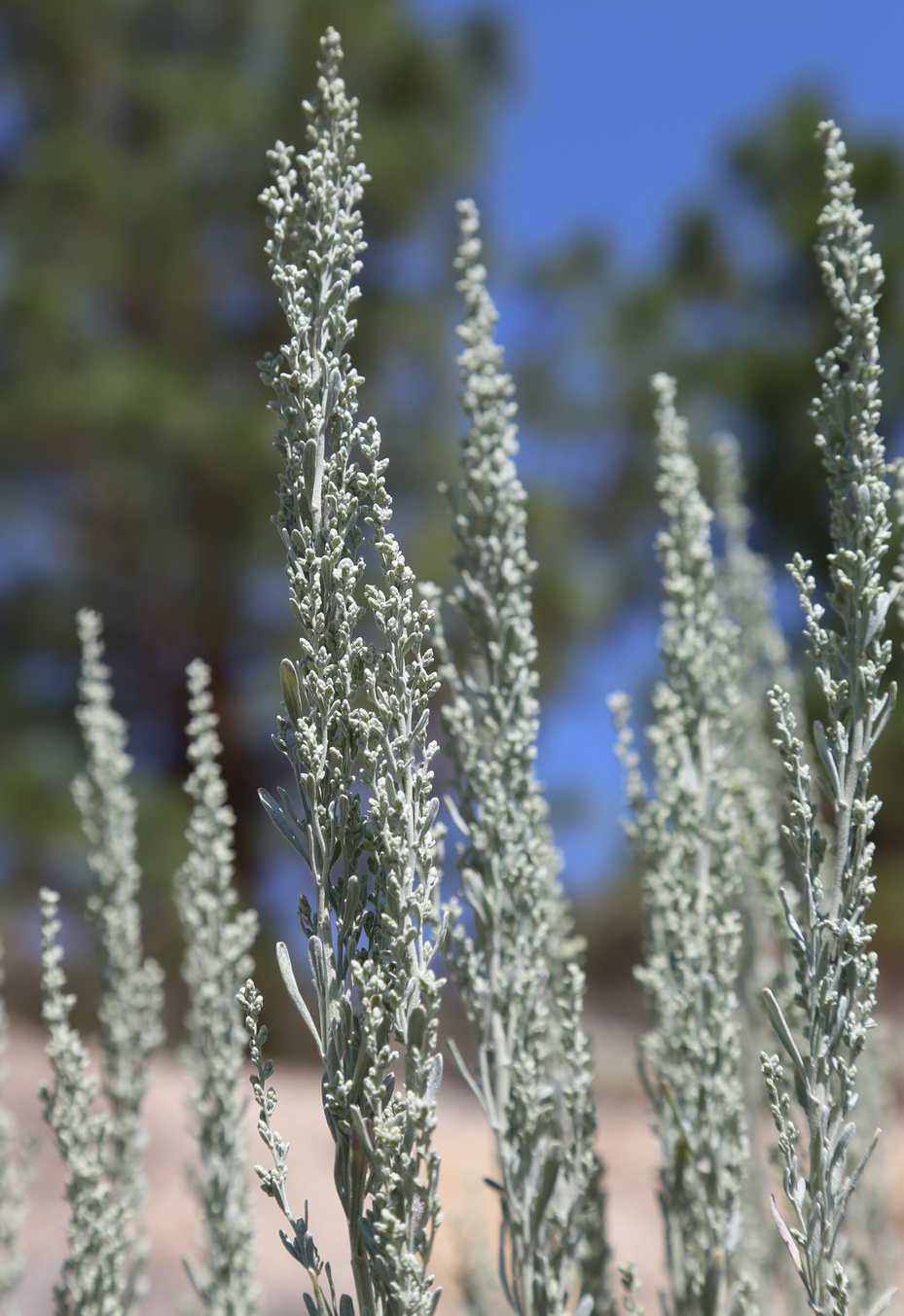
Flowering runs from late summer into fall. Small, inconspicuous yellowish flower heads cluster along the stems, and pollen release generally builds from August, crests in September in much of the range, and continues into October at lower elevations before frost and snow close the season in the high country. The Asthma and Allergy Foundation of America groups the fall weed season nationally around August to first frost, and sagebrush follows that same broad window on western timing.
| High-desert city | Typical sagebrush window | Local pattern |
|---|---|---|
| Boise | August–October | Foothill and bench stands ring the city; strong late-summer readings |
| Denver | August–September | Foothill-edge influence; mixes with ragweed drifting from the plains |
| Spokane | August–September | Steppe country to the south and west; earlier high-country frost |
| Las Vegas | September–October | Later, lower-elevation window; desert fringe stands |
In Boise, the pattern is written into the geography: sagebrush foothills rise directly from the city's edge, so the pollen source begins where the pavement ends. Around Denver, sagebrush shares the fall with ragweed blowing in from the eastern plains — a two-source season that the wider fall allergies guide places in national context. In Las Vegas, lower elevation stretches the window later into the fall.
Elevation deals the dates
As with spring trees in the mountains, elevation sets the sagebrush calendar. High-elevation stands flower and finish early, sometimes cut off by September snow; basin-floor and lower foothill stands run weeks longer. A single metro can hold both patterns — valley neighborhoods on the long schedule, foothill neighborhoods on the short one — which is why western fall readings can look patchy from one side of a city to the other.
How sagebrush pollen travels
Wind over open country
Sagebrush pollen is wind-carried, and the high desert gives wind room to work. Dry air, open sightlines measured in miles, and afternoon upslope breezes pulling air from the basins into the foothills all move pollen from the steppe into the towns built at its edge. The AAAAI's National Allergy Bureau stations in the Intermountain West record Artemisia in the weed counts through the fall, and the seasonal curve those stations draw — quiet through July, building in August, cresting in September — is the western mirror of the ragweed curve the Midwest knows.
Rain is scarce in the fall desert, so the washout relief that interrupts eastern seasons rarely applies; instead, the season's daily rhythm is set by wind, and its end is set by the first hard freeze or the first snow that mats the bloom down.
Tracking sagebrush on Pollen Atlas
On Pollen Atlas, sagebrush is tracked within the daily Weeds Index — scored 0 to 100, Low from 0 to 33, Moderate from 34 to 66, and High from 67 to 100 — with per-plant detail on each city page showing when sagebrush itself is driving the reading. Through late summer, the national city rankings tell the regional story at a glance: as the Midwest climbs its ragweed crest, the high-desert cities climb their own, parallel one.
Readers in sagebrush country who want to identify their personal triggers can browse the Find an Allergist directory as a directory resource. This article is general information only and is not medical advice.
Frequently Asked Questions
When is sagebrush pollen season?
Sagebrush pollen season runs from late summer into fall — generally August through October. September is the crest month across much of the Great Basin and Intermountain West, with higher-elevation stands finishing earlier and lower-elevation stands running later.
Is sagebrush related to ragweed?
Yes, botanically — sagebrush and ragweed are both members of the sunflower family, Asteraceae, and sagebrush shares its genus, Artemisia, with mugwort. That family relationship is part of why sagebrush, like ragweed, flowers in late summer and fall rather than spring.
Where is sagebrush pollen strongest?
Sagebrush pollen is strongest where the sagebrush steppe meets town: Boise's foothill edge, the Denver foothills, Spokane's surrounding steppe country, and the desert fringe around Las Vegas. The shrub covers vast areas of the Great Basin, so the pollen source surrounds these metros at landscape scale.
How does sagebrush season end?
Sagebrush season ends as frost and, in the high country, early snow shut down flowering for the year. Low-elevation stands can keep releasing into October, while mountain stands may finish in September.
Conclusion
Sagebrush pollen is fall in the high desert told by its defining plant: a ragweed relative blooming at landscape scale from August onward, dealt out on an elevation calendar from Boise to Las Vegas. Learn its window, and the western fall season reads as clearly as the Midwest's does. Free counts. Free forecasts. Worldwide. PollenAtlas.com has your day covered
Sources: USDA Forest Service and USDA Natural Resources Conservation Service, profiles for Artemisia tridentata (big sagebrush); American Academy of Allergy, Asthma & Immunology, National Allergy Bureau counting-station network; Asthma and Allergy Foundation of America, pollen allergy education material; Pollen Atlas city index data for Boise, Denver, and Las Vegas.